
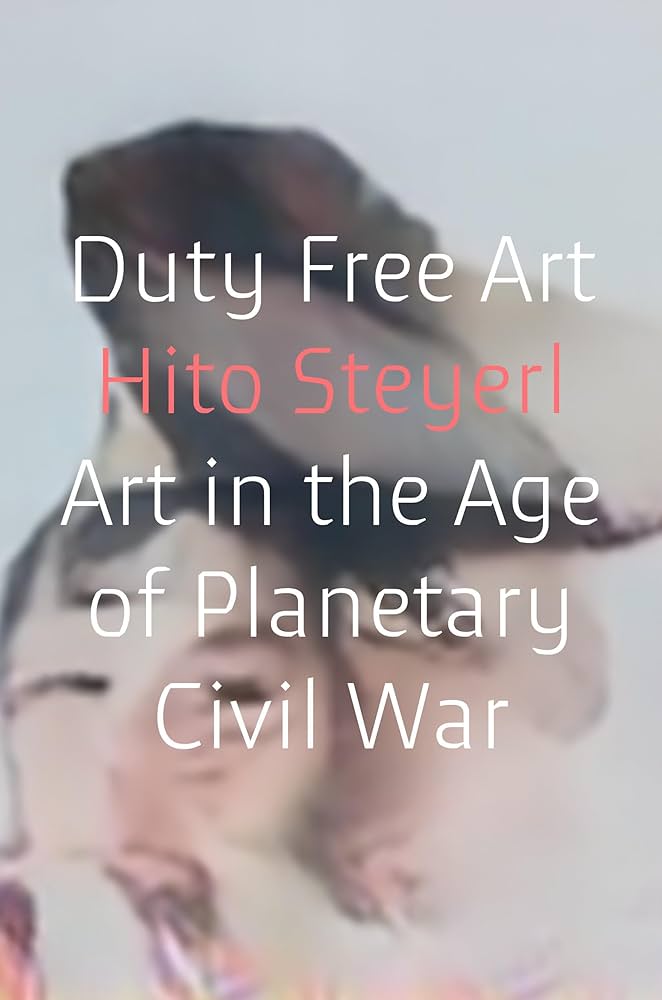
What is the function of art in the era of digital globalisation? In Duty Free Art, filmmaker and writer Hito Steyerl wonders how we can appreciate, or even make art, in the present age. What can we do when arms manufacturers sponsor museums, and some of the world's most valuable artworks are used as a fictional currency in a global futures market that has nothing to do with the work itself? Can we distinguish between creativity and the digital white noise that bombards our everyday lives? Exploring artefacts as diverse as video games, Wikileaks files, the proliferation of spam, and political actions, she exposes the paradoxes within globalization, political economies, visual culture, and the status of art production
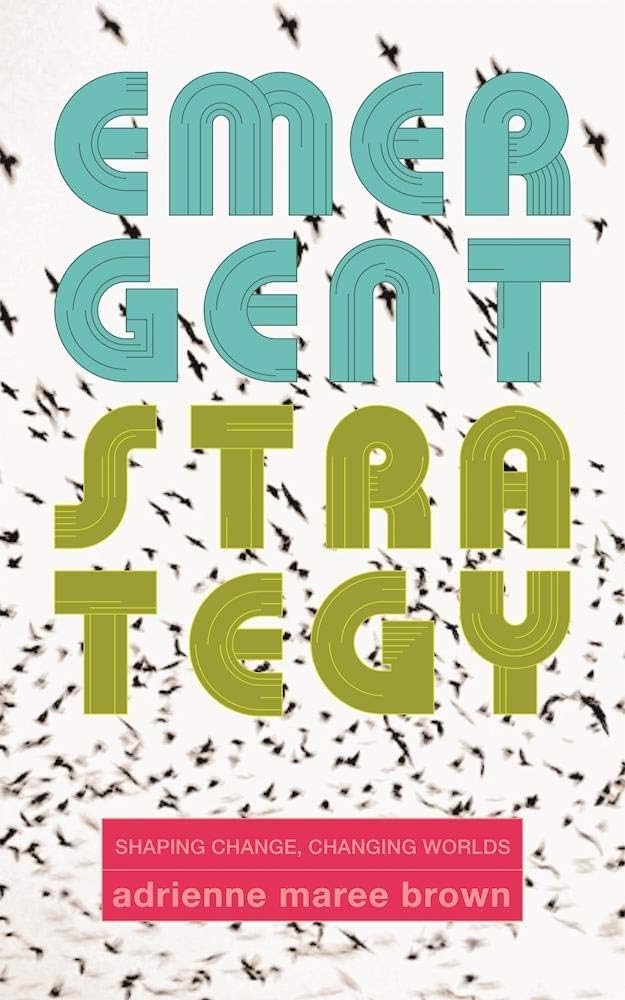
Inspired by Octavia Butler's explorations of our human relationship to change, Emergent Strategy is radical self-help, society-help, and planet-help designed to shape the futures we want to live. Change is constant. The world is in a continual state of flux. It is a stream of ever-mutating, emergent patterns. Rather than steel ourselves against such change, this book invites us to feel, map, assess, and learn from the swirling patterns around us in order to better understand and influence them as they happen. This is a resolutely materialist "spirituality" based equally on science and science fiction, a visionary incantation to transform that which ultimately transforms us.
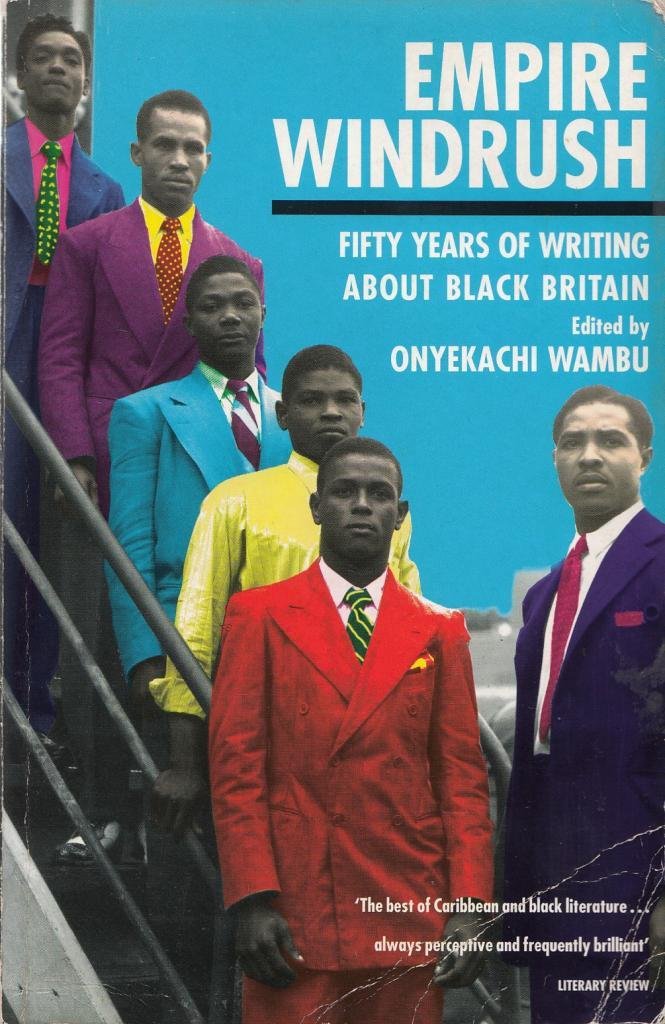
In 1948, the SS Empire Windrush, carrying hundreds of young men and women from the Caribbean, docked in Southampton. The ship's arrival signalled the beginning of a mass migration which was to have profound effects on Britain for the next 50 years. This anthology charts those 50 years. In poetry, fiction, journalism and essays, and addressing themes such as identity, racism, education, sexual identity, entertainment and leisure and black on white, 'Empire Windrush' is a groundbreaking book of enormous historical and contemrporary relevance.
In this essay, Illich examines the question of whether or not humans need any more energy than is their natural birthright. Along the way he gives a startling analysis of the marginal disutility of tools. After a certain point, that is, more energy gives negative returns. For example, moving around causes loss of time proportional to the amount of energy which is poured into the transport system, so that the speed of the fastest traveller correlates inversely to the equality as well as freedom of the median traveller.
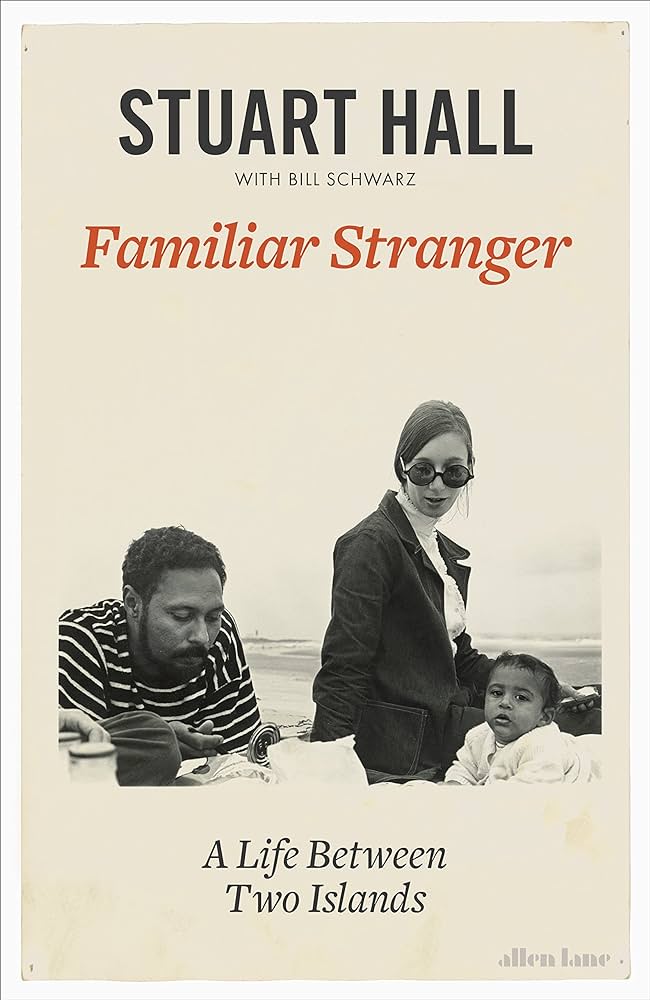
This, in his own words, is the extraordinary story of the life and career of Stuart Hall—how his experiences shaped his intellectual, political, and theoretical work and how he became one of his age's brightest intellectual lights.
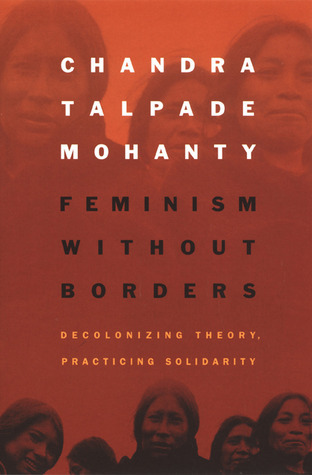
Bringing together classic and new writings of the trailblazing feminist theorist Chandra Talpade Mohanty, Feminism without Borders addresses some of the most pressing and complex issues facing contemporary feminism.
Forging vital links between daily life and collective action and between theory and pedagogy, Mohanty has been at the vanguard of Third World and international feminist thought and activism for nearly two decades. This collection highlights the concerns running throughout her pioneering work: the politics of difference and solidarity, decolonizing and democratizing feminist practice, the crossing of borders, and the relation of feminist knowledge and scholarship to organizing and social movements. Mohanty offers here a sustained critique of globalization and urges a reorientation of transnational feminist practice toward anticapitalist struggles.
Feminism without Borders opens with Mohanty's influential critique of western feminism ("Under Western Eyes") and closes with a reconsideration of that piece based on her latest thinking regarding the ways that gender matters in the racial, class, and national formations of globalization. In between these essays, Mohanty meditates on the lives of women workers at different ends of the global assembly line (in India, the United Kingdom, and the United States); feminist writing on experience, identity, and community; dominant conceptions of multiculturalism and citizenship; and the corporatization of the North American academy. She considers the evolution of interdisciplinary programs like Women's Studies and Race and Ethnic Studies; pedagogies of accommodation and dissent; and transnational women's movements for grassroots ecological solutions and consumer, health, and reproductive rights.
Mohanty's probing and provocative analyses of key concepts in feminist thought—"home," "sisterhood," "experience," "community"—lead the way toward a feminism without borders, a feminism fully engaged with the realities of a transnational world.

The acclaimed autobiography of Fidel Castro, one of the towering political figures of our age, who dominated both Cuba and the world stage for over half a century.
Here Castro tells his story in full for the first time, speaking openly about everything from his parents and earliest influences to his imprisonment, guerrilla war and the Cuban revolution and on to the Bay of Pigs, the missile crisis and his relationship with Che Guevara. He also remembers the people he knew, from John F. Kennedy to Ernest Hemingway. Whatever your views on Castro are, this is an essential record of an incredible life - and even more extraordinary times.
'Cubaphiles are all the richer for this book ... Castro's prodigious gifts are well displayed: his formidable erudition, steely discipline, epic curiosity and his astute grasp of history' Financial Times
'Castro's life has been extraordinary and he can tell a good story' Evening Standard

An empowering story about finding your identity and the courage to fight for it. Aaliyah is an ordinary thirteen-year-old living in the Midlands - she's into her books, shoes, K-pop and she is a Muslim. She has always felt at home where she lives ... until a terrorist attack in her area changes everything. As racial tensions increase and she starts getting bullied, Aaliyah decides to begin wearing a hijab - to challenge how people in her community see her. But when her school bans the hijab and she is intimidated and attacked for her choices, she feels isolated. Soon Aaliyah realises that other young people from different backgrounds also struggle with their identity and feel alone, scared and judged. Should she try to blend in - or can she find allies to help her fight back? Channelling all of her bravery, Aaliyah decides to speak out. Together, can Aaliyah and her friends halt the tide of hatred rippling through their community?
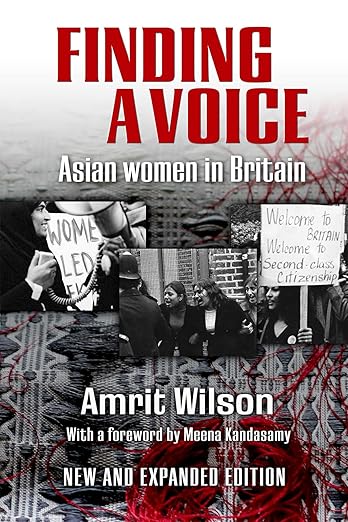
First published in 1978, and winning the Martin Luther King Memorial Prize for that year, Finding a Voice established a new discourse on South Asian women's lives and struggles in Britain. Through discussions, interviews and intimate one-to-one conversations with South Asian women, in Urdu, Hindi, Bengali and English, it explored family relationships, the violence of immigration policies, deeply colonial mental health services, militancy at work and also friendship and love. The seventies was a time of some iconic anti-racist and working-class struggles. They are presented here from the point of view of the women who participated in and led them. This new edition includes a preface by Meena Kandasamy, some historic photographs, and a remarkable new chapter titled 'In conversation with Finding a Voice: 40 years on' in which younger South Asian women write about their own lives and struggles weaving them around those portrayed in the book.

The fovea centralis is a small depression in the retina that produces our sharpest vision. In this keenly perceptive chapbook, Sarah Lasoye ruminates on moments from the playground to the present day. Sitting across from her early memories, she begins to discern the watery contours of a primary self. Through abstract and narrative poems, Lasoye’s temporal experiments open up a tender interior life and a need to anchor oneself in others. With no clean boundary between past and present, emergent preoccupations—with selfhood, goodness and want—persist and reappear. This compact collection keeps to itself—an inquisitive, personal contemplation on childhood and growth.