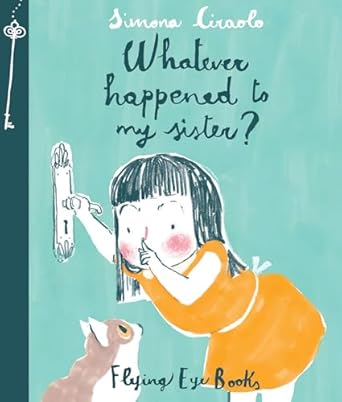
“I’ve had my suspicions for a while. But now I know the truth. Someone has replaced my sister with a girl that looks a lot like her...”
And so a young girl sets out to find out exactly what happened to her sister. Who is this new sister? Why does she never want to play anymore? For anyone who has ever felt left behind, Simona Ciraolo, paints a touchingly sweet portrayal of the transience of childhood and how adolescence and growing up can be a truly mystifying experience.
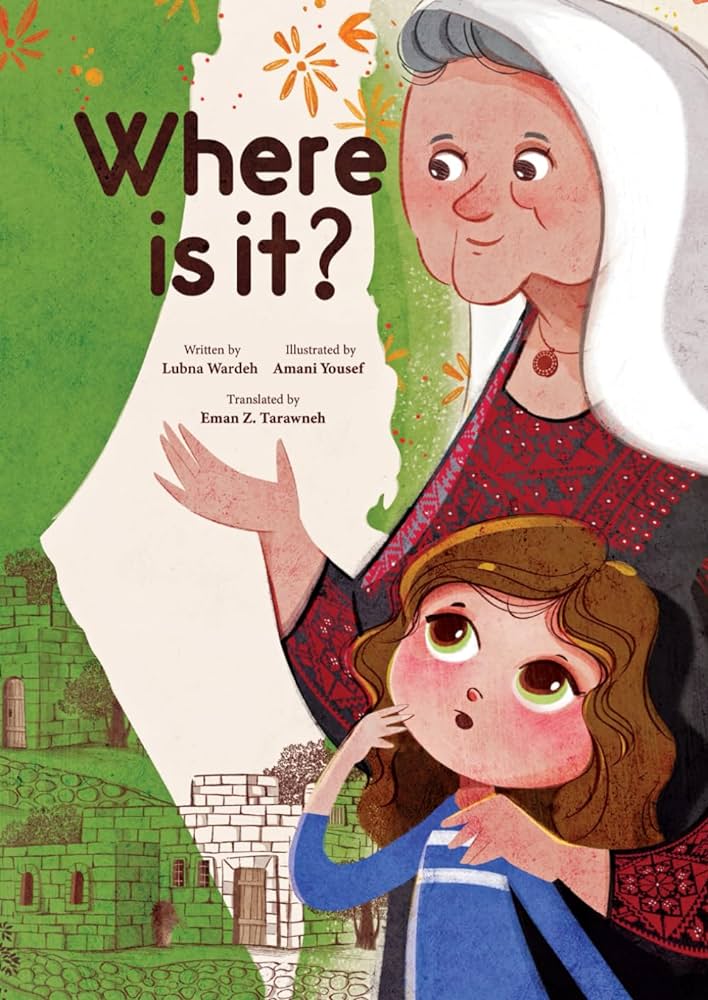
A children's book that talks about Palestine’s history, culture and identity. The story is about a little girl called Zenah, who was playing with her friends at school in Canada, when she was surprised to learn that her friends didn't know Palestine and had never heard of it! Luckily, her grandmother was visiting from Palestine, so Zenah rushed to Grandma to ask her to tell her the story.
Gboyega Odubanjo’s debut marks the start of an exciting career. His is a voice that draws you in, intrinsically contemporary, grounded in something timeless. With an enviable lightness of touch, he explores themes such as race, mortality and the fallibility of faith—‘i believing foolish in the heat of it / assumed sweat was communion / fever god given’. The poems in While I Yet Live beat to a luxurious musicality; prayers and confessions, these are poems to read to yourself aloud.
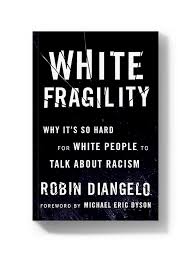
'With clarity and compassion, DiAngelo allows us to understand racism as a practice not restricted to "bad people." In doing so, she moves our national discussions forward. This is a necessary book for all people invested in societal change' Claudia Rankine
Anger. Fear. Guilt. Denial. Silence. These are the ways in which ordinary white people react when it is pointed out to them that they have done or said something that has - unintentionally - caused racial offence or hurt. After, all, a racist is the worst thing a person can be, right? But these reactions only serve to silence people of colour, who cannot give honest feedback to 'liberal' white people lest they provoke a dangerous emotional reaction.
Robin DiAngelo coined the term 'White Fragility' in 2011 to describe this process and is here to show us how it serves to uphold the system of white supremacy. Using knowledge and insight gained over decades of running racial awareness workshops and working on this idea as a Professor of Whiteness Studies, she shows us how we can start having more honest conversations, listen to each other better and react to feedback with grace and humility. It is not enough to simply hold abstract progressive views and condemn the obvious racists on social media - change starts with us all at a practical, granular level, and it is time for all white people to take responsibility for relinquishing their own racial supremacy.
'By turns mordant and then inspirational, an argument that powerful forces and tragic histories stack the deck fully against racial justice alongside one that we need only to be clearer, try harder, and do better' David Roediger, Los Angeles Review of Books
'The value in White Fragility lies in its methodical, irrefutable exposure of racism in thought and action, and its call for humility and vigilance' Katy Waldman, New Yorker
'A vital, necessary, and beautiful book' Michael Eric Dyson
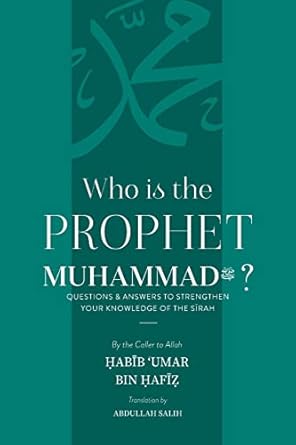
The uniqueness of the life of the Prophet Muhammad ﷺ compared to that of other personalities and world figures present and past, is such that his ﷺ legacy has not only remained, but is continually and endlessly on the rise. His ﷺ praise continues to be spread far and wide by men and women whom Allah, exalted is He, has chosen in various times and places to carry the light of the Messenger ﷺ and convey his life ﷺ to the people. This Prophetic legacy is enduring, and will forever remain as long as the testament of faith is upon the lips and hearts of believers.
Who is the Prophet Muhammad ﷺ? is primarily a didactic text in question & answer format. The book consists of 6 groups of questions & answers, progressing from relatively simple questions and short answers in the first group, to more complex issues with longer, more detailed explanations by the end. Each question & answer pair is given first in Arabic, as formulated by Habib 'Umar, or by his students under his supervision. Then, the translation of each Q & A is given. While perhaps not common in adult literature, the Q&A format is a time-honored teaching technique, and readers of all ages and levels will find surprising benefits in this unique text. The entire book has been beautifully arranged and presented by IGI's world-class design team, to make reading an enjoyable and visually appealing reading experience for the whole family.
The author, Habib Umar bin Hafiz, is a descendant of the Prophet Muhammad ﷺ, and is one of the great luminaries of our time. This book has been made available to English speakers for whom we ask Allah to make it a means to attain proximity, in this life and the Hereafter, to Him and the Prophet Muhammad ﷺ.
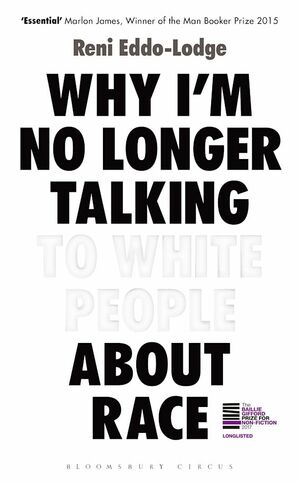
The book that sparked a national conversation. Exploring everything from eradicated black history to the inextricable link between class and race, Why I'm No Longer Talking to White People About Race is the essential handbook for anyone who wants to understand race relations in Britain today.
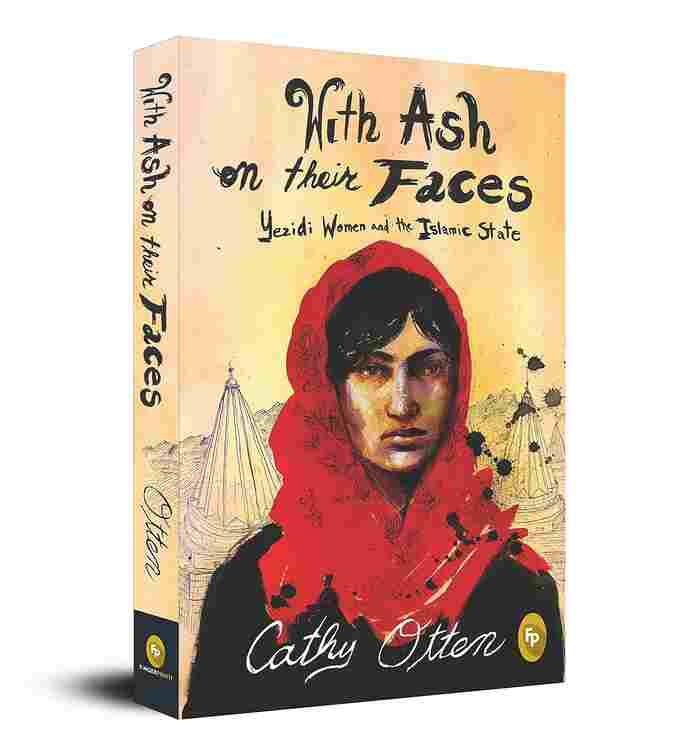
ISIS’s genocidal attack on the Yezidi population in northern Iraq in 2014 brought the world’s attention to the small faith that numbers less than one million worldwide. That summer ISIS massacred Yezidi men and enslaved women and children. More than one hundred thousand Yezidis were besieged on Sinjar Mountain. The US began airstrikes to roll back ISIS, citing a duty to save the Yezidis, but the genocide is still ongoing. The headlines have moved on but thousands of Yezidi women and children remain in captivity, and many more are still displaced. Sinjar is now free from ISIS but the Yezidi homeland is at the centre of growing tensions amongst the city’s liberators, making returning home for the Yezidis almost impossible. The mass abduction of Yezidi women and children is here conveyed with extraordinary intensity in the first-hand reporting of a young journalist who has been based in Iraqi Kurdistan for the past four years, covering the war with ISIS and its impact on the people of the country. Otten tells the story of the ISIS attacks, the mass enslavements of Yezidi women and the fallout from the disaster. She challenges common perceptions of Yezidi female victimhood by focusing on stories of resistance passed down by generations. Yezidi women describe how, in the recent conflict, they followed the tradition of their ancestors who, a century ago during persecutions at the fall of the Ottoman empire, put ash on their faces to make themselves unattractive and try to avoid being raped. Today, over 3,000 Yezidi women and girls remain in the Caliphate where they are bought and sold, and passed between fighters as chattel. But many other have escaped or been released. Otten bases her book on interviews with these survivors, as well as those who smuggled them to safety, painstakingly piecing together their accounts of enslavement. Their deeply moving personal narratives bring alive a human tragedy.
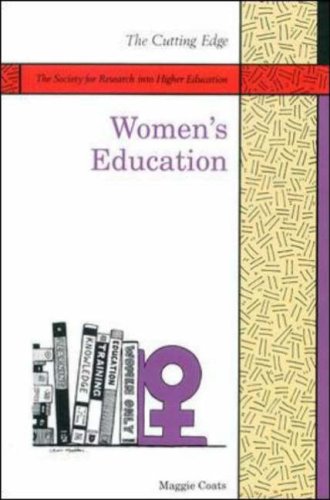
This work is about women's education; it is not about education for women. "Women's education" is education which is possessed or owned by women, is provided by women for women, is designed for and about women, and focuses on the needs of women.
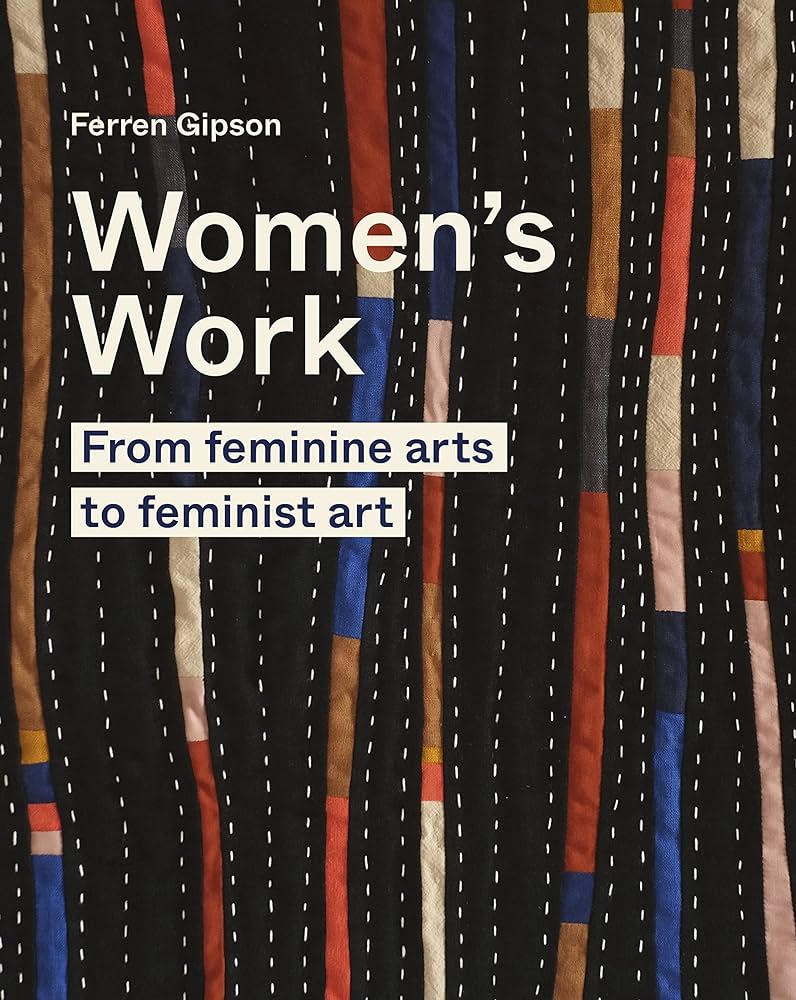
In the history of western art, decorative and applied arts – including textiles and ceramics – have been separated from the ‘high arts’ of painting and sculpture and deemed to be more suitable for women. Artists began to reclaim and redefine these materials and methods, energizing them with expressions of identity and imagination. Women’s Work tells the story of this radical change, highlighting some of the modern and contemporary artists who dared to defy this hierarchy and who, through, experimentation and invention, transformed their medium. The work of these women has helped underscore the ongoing value of these art forms within the history of art, championing ‘women’s work’ as powerful mediums worthy of celebration. With biographical entries on each artist featured, as well as beautiful images of their artworks, Women's Work raises up the work of these visionary and groundbreaking artists, telling their stories and examining their artistic legacies.
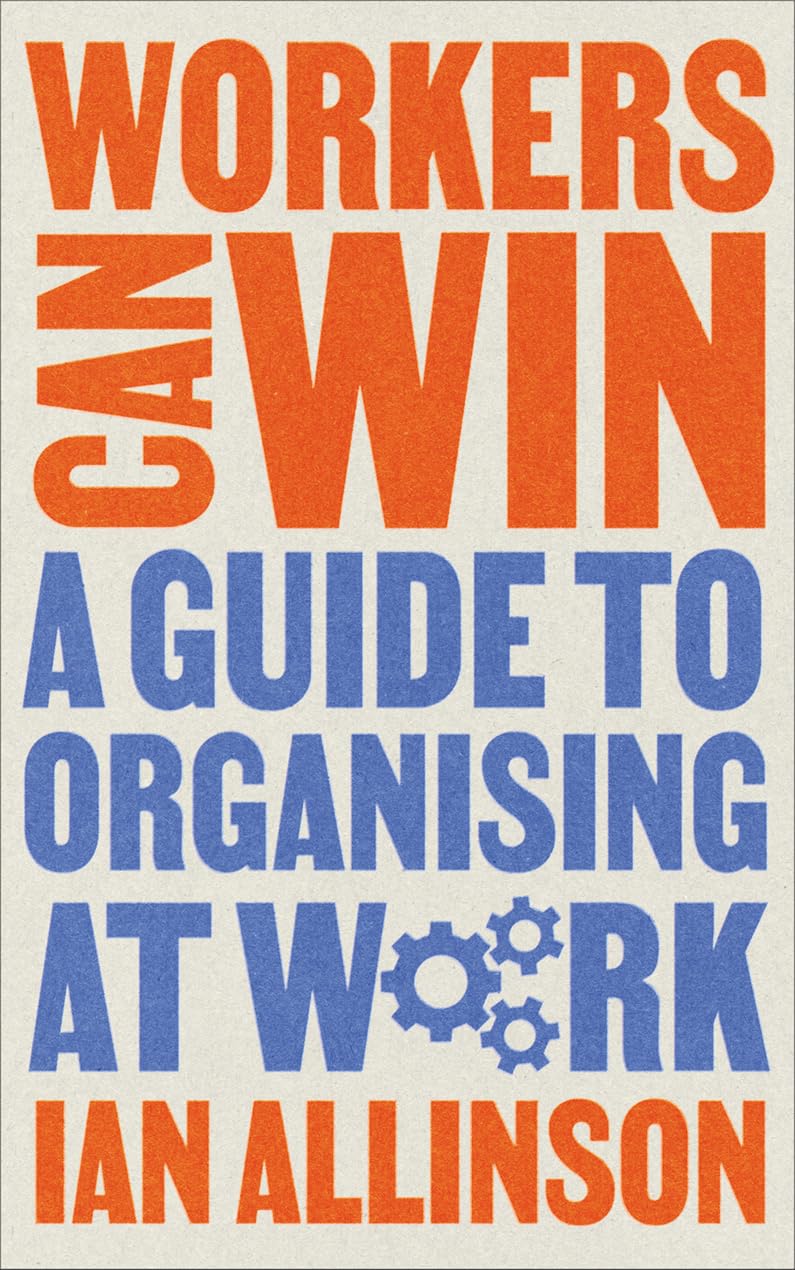
The Covid, climate and cost of living crises all hang heavy in the air. It's more obvious than ever that we need radical social and political change. But in the vacuum left by defeated labour movements, where should we begin? For longtime workplace activist Ian Allinson, the answer is clear: organising at work is essential to rebuild working-class power. The premise is simple: organising builds confidence, capacity and collective power - and with power we can win change. Workers Can Win is an essential, practical guide for rank-and-file workers and union activists. Drawing on more than 20 years of organising experience, Allinson combines practical techniques with an analysis of the theory and politics of organising and unions. The book offers insight into tried and tested methods for effective organising. It deals with tactics and strategies, and addresses some of the roots of conflict, common problems with unions and the resistance of management to worker organising. As a 101 guide to workplace organising with politically radical horizons, Workers Can Win is destined to become an essential tool for workplace struggles in the years to come.