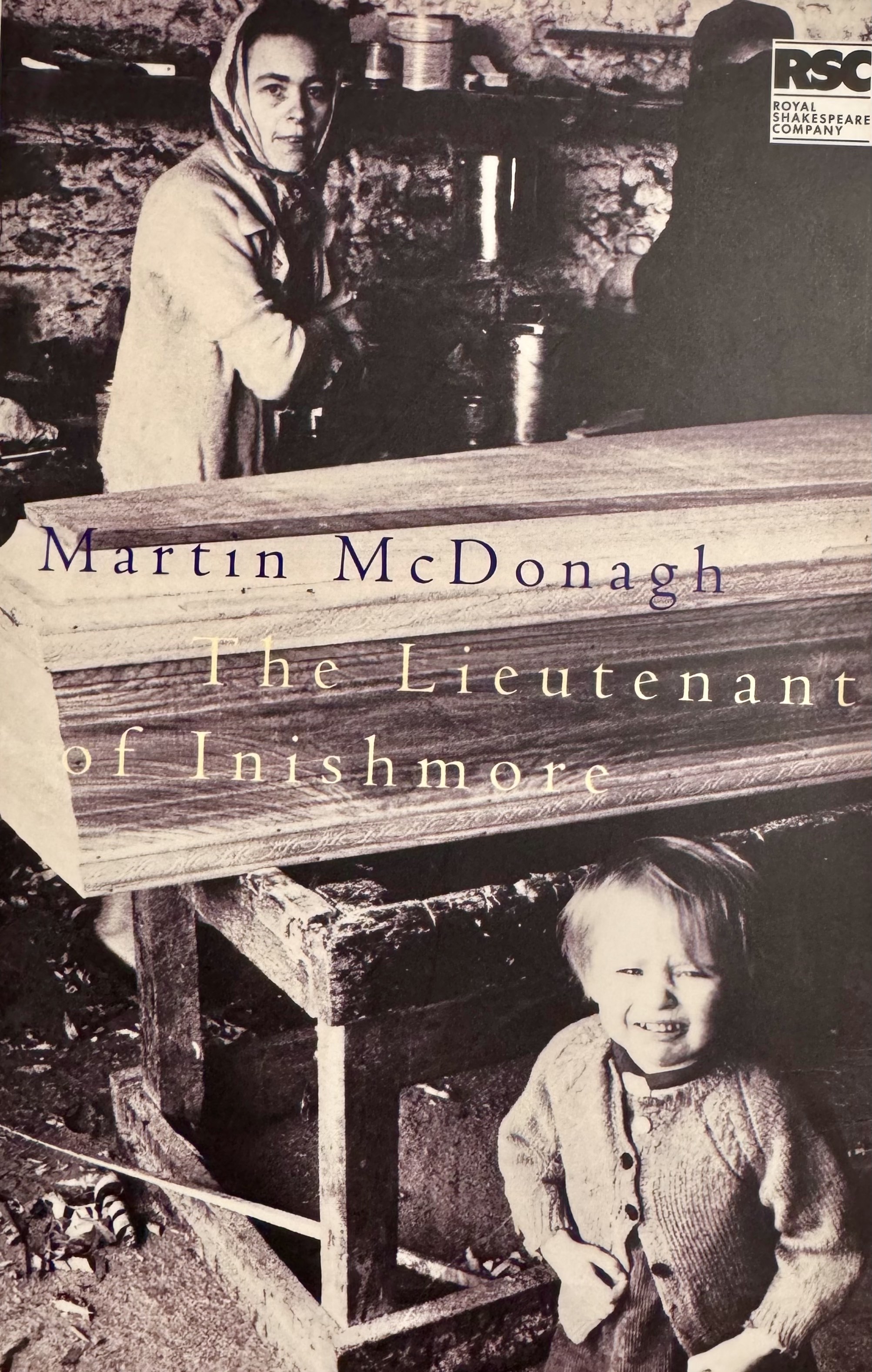
The Lieutenant of Inishmore is a black comedy by Martin McDonagh, in which the 'mad' leader of an Irish National Liberation Army splinter group discovers that his cat has been killed. It has been produced twice in the West End and on Broadway, where it received a Tony Award nomination for Best Play. In 2014, The Lieutenant of Inishmore was ranked in The Daily Telegraph as one of the 15 greatest plays ever written.
Overseas Press Club Award Winner 2016
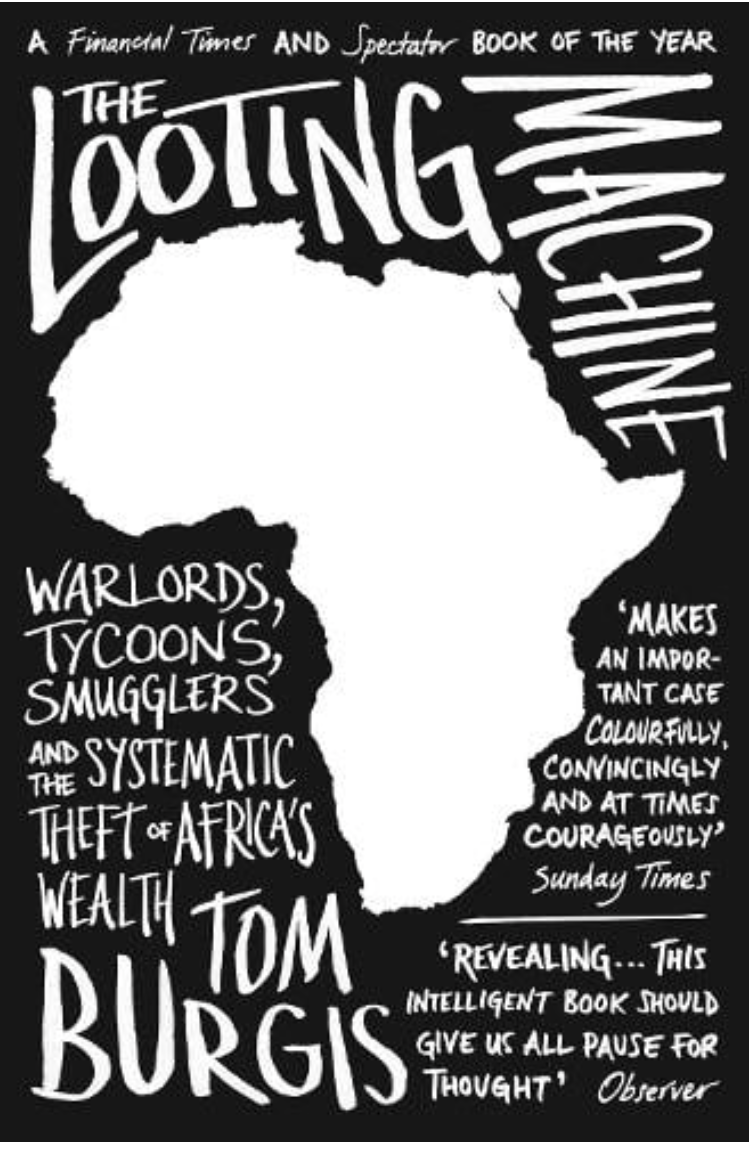
A shocking investigative journey into the way the resource trade wreaks havoc on Africa, ‘The Looting Machine’ explores the dark underbelly of the global economy.
‘The Looting Machine’ is a searing exposé of the global web of traders, bankers, middlemen, despots and corporate raiders that is pillaging Africa’s vast natural wealth. From the killing fields of Congo to the crude-slicked creeks of Nigeria, a great endowment of oil, diamonds, copper, iron, gold and coltan has become a curse that condemns millions to poverty, violence and oppression. That curse is no accident. This gripping investigative journey takes us into the shadows of the world economy, where secretive networks conspire with Africa’s kleptocrats to bleed the continent dry. And like their victims, the beneficiaries of this grand looting have names.
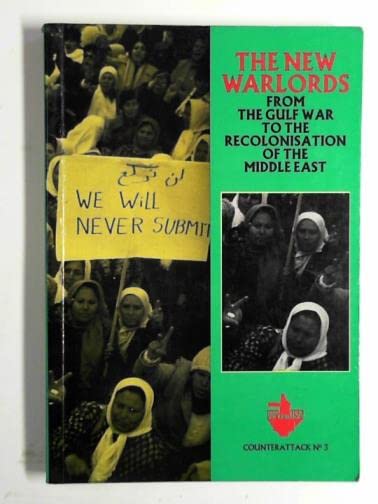
The New Warlords is a collection of articles from the newspaper Fight Racism! Fight Imperialism! and brings together a concise and complete history of the conflicts in Iraq, Kurdistan and Palestine. The book follows not only the involvment of the apparently warring states i.e. Palestine and Iraq, but also charts the interference from the British Labour governemts of particular years.
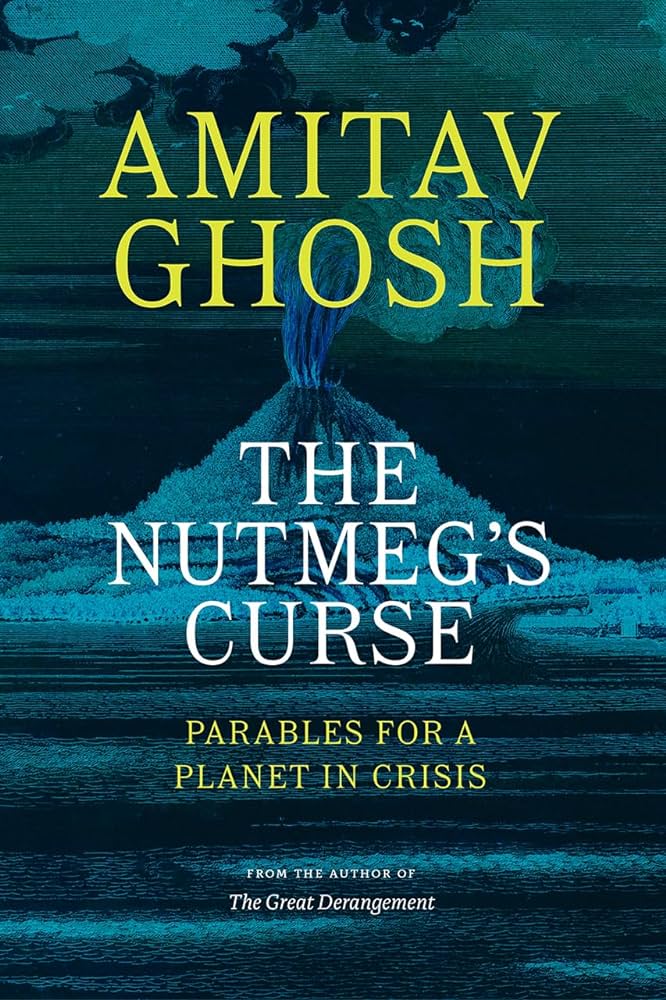
A powerful work of history, essay, testimony, and polemic, Amitav Ghosh’s new book traces our contemporary planetary crisis back to the discovery of the New World and the sea route to the Indian Ocean. The Nutmeg’s Curse argues that the dynamics of climate change today are rooted in a centuries-old geopolitical order constructed by Western colonialism. At the center of Ghosh’s narrative is the now-ubiquitous spice nutmeg. The history of the nutmeg is one of conquest and exploitation—of both human life and the natural environment. In Ghosh’s hands, the story of the nutmeg becomes a parable for our environmental crisis, revealing the ways human history has always been entangled with earthly materials such as spices, tea, sugarcane, opium, and fossil fuels. Our crisis, he shows, is ultimately the result of a mechanistic view of the earth, where nature exists only as a resource for humans to use for our own ends, rather than a force of its own, full of agency and meaning. Writing against the backdrop of the global pandemic and the Black Lives Matter protests, Ghosh frames these historical stories in a way that connects our shared colonial histories with the deep inequality we see around us today. By interweaving discussions on everything from the global history of the oil trade to the migrant crisis and the animist spirituality of Indigenous communities around the world, The Nutmeg’s Curse offers a sharp critique of Western society and speaks to the profoundly remarkable ways in which human history is shaped by non-human forces.
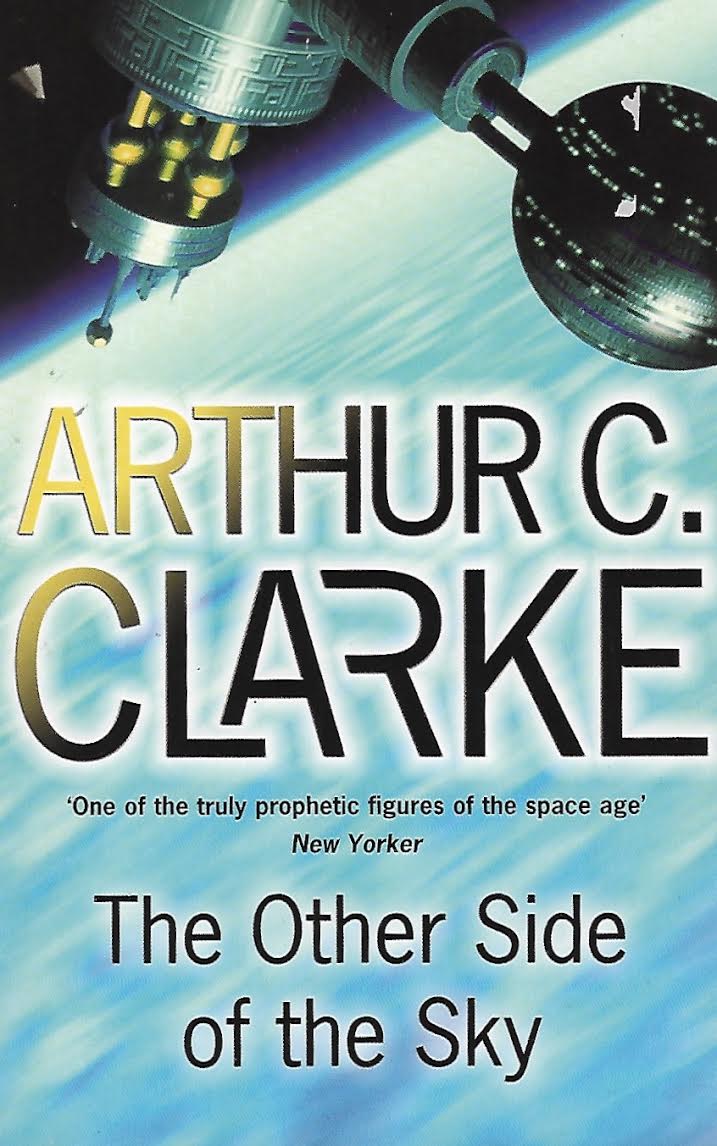
The Other Side of the Sky presents a glimpse of our future: a future where reality is no longer contained in earthly dimensions, where man has learned to exist with the knowledge that he is not alone in the universe. These stories of other planets and galactic adventures show Arthur C Clarke at the peak of his powers: sometimes disturbing, always intriguing.
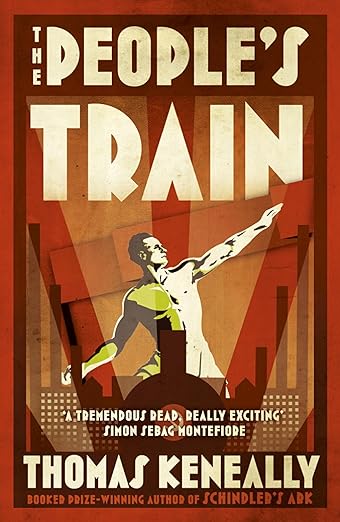
Artem Samsurov, a protégé of Lenin, makes an extraordinary escape from Tsarist Russia to reach sanctuary in Australia, but soon discovers that repression and injustice exist there too. Though distracted by an infatuation with a beautiful female lawyer, he throws himself back into the socialist cause, only to be imprisoned, then accused of murdering an informer. But he never loses his belief that the revolution will come - and in 1917, he returns to Russia alongside an Australian journalist to fight for it.
Based on a true story, Keneally's enthralling novel takes us to the heart of the Russian Revolution through the dramatic exploits of one inspiring man. Once again, he illuminates a seismic period of history from an intimate, unusual perspective as he captures the ideals and passions behind a movement that changed the world.
A worldwide best-seller since its date of original publication in 1923, The Prophet has become a token of free thought and intellectual betterment across many generations of readers. This unique and timeless classic is composed of 28 prose poetry fables, each examining a different facet of the human experience. A treasure worth holding close, The Prophet is an unforgettable book of poems worth savoring.
The Prophet serves as an intricate examination of the world through the eyes of prophet Almustafa on his way back to his native country after having been in exile for the past twelve years. On the ship carrying him home, Almustafa becomes engulfed in conversation with various passengers on board. Each conversation differs from the last while all providing valuable experiences for Almustafa. Providing insight, clarity, and depth, Almustafa’s musings on each subject make way for the ways in which one can better learn to understand the levels of deep human emotion. From the intricacies of human thought, and circumstance, Gibran’s words have carried with them a certain meditative and instructive examination of what it feels like to be human. With honorable mentions from celebrity authors and poets, the importance of reading The Prophet cannot be overstated. An absolute must-read for anyone seeking emotional enlightenment, guidance, or human insight. With each poem and line varying in length and explanation, The Prophet is as topical today as it was when it was first published.