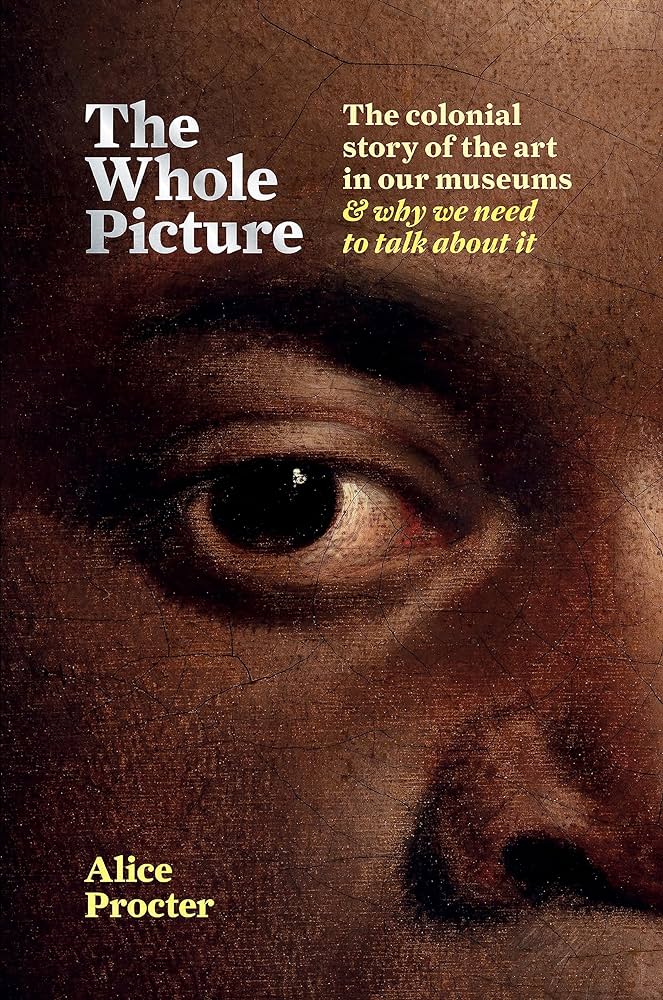
The Whole Picture: The colonial story of the art in our museums and why we need to talk about it How to deal with the colonial history of art in museums and monuments in the public realm is a thorny issue that we are only just beginning to address. Alice Procter, creator of the Uncomfortable Art Tours, provides a manual for deconstructing everything you thought you knew about art history and tells the stories that have been left out of the canon.
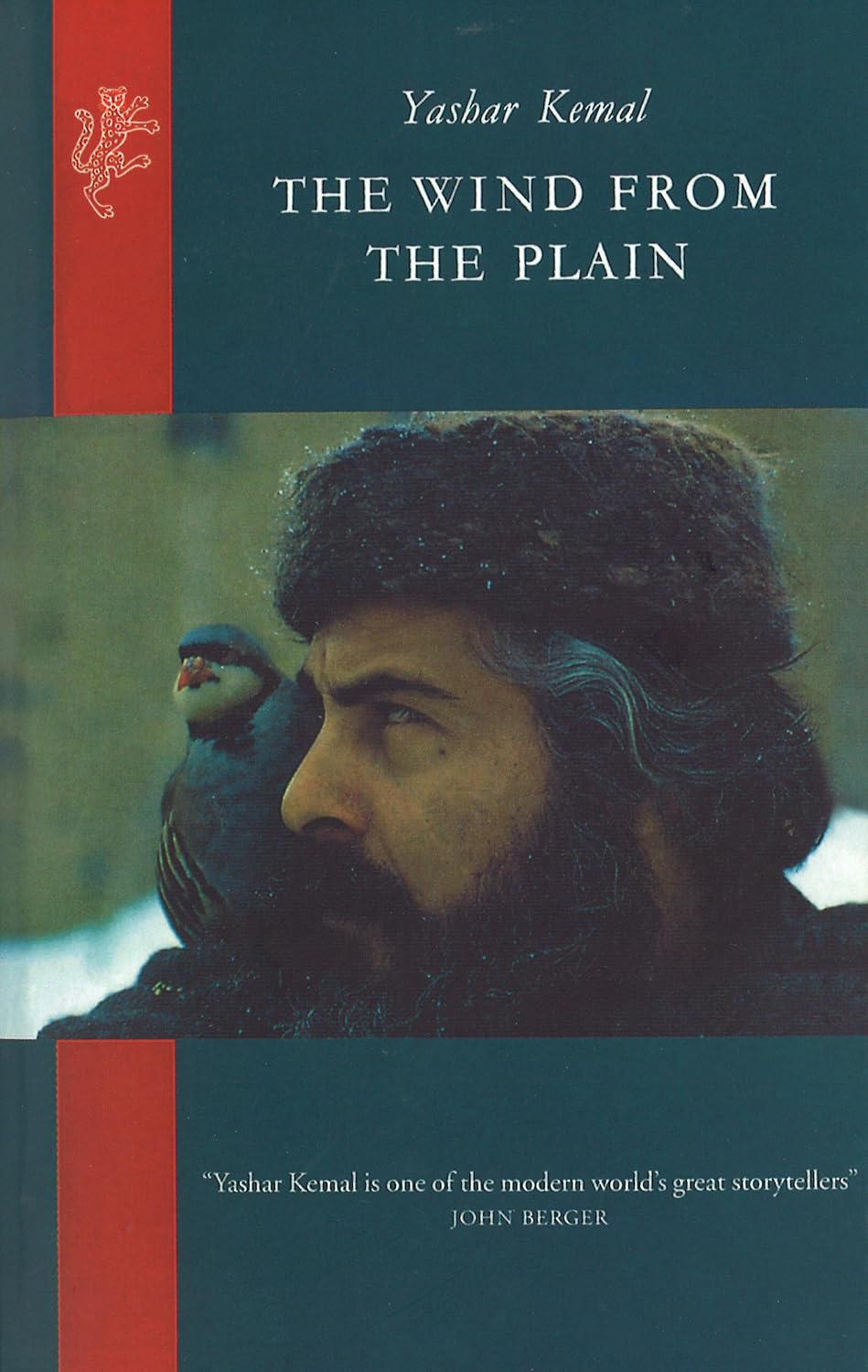
Each year the wind brings the news to old Halil's keen senses that the cotton is ripe for picking in the plain, and at his word the entire population of his remote village in the Taurus Mountains set out on the arduous trek.
But this year old Halil finds himself too old to go on foot; so does Long Ali's aging mother, Meryemdje, and both clamour for a place on the back of Long Ali's broken-down nag, scarcely capable of bearing either of the two old people. Halil's determination to stay on and Meryemdje's to get him off lead to a war of words and cunning which lights with delicious comedy the sombre drama of the march. But when the decrepit animal finally dies, and the group falls behind the rest of the villagers, it is the unfortunate Ali who has to show piety towards his mother and compassion to old Halil, while pressing on with dogged resolution to reach the cotton fields before they are picked bare.
The power of The Wind from the Plain, the first volume of The Wind from the Plain trilogy, lies in its simplicity, which in turn lies in the handful of unforgettable characters whose story it tells - the timeless one of survival.
Palestine. For most of us, the word brings to mind a series of confused images and disjointed associations-massacres, refugee camps, UN resolutions, settlements, terrorist attacks, war, occupation, checkered kouffiyehs and suicide bombers, a seemingly endless cycle of death and destruction. A powerful human story, following the life of a young girl from her days in the village of al-Tantoura in Palestine up to the dawn of the new century. We participate in events as they unfold, seeing them through the uneducated but sharply intelligent mind of Ruqayya, as she tries to make sense of all that has happened to her and her family. With her, we live her love of her land and of her people; we feel the repeated pain of loss, of diaspora and of cross-generational misunderstanding; and above all, we come to know her indomitable human spirit. As we read we discover that we have become part of Ruqayya's family, and her voice will remain with us long after we have closed the book.
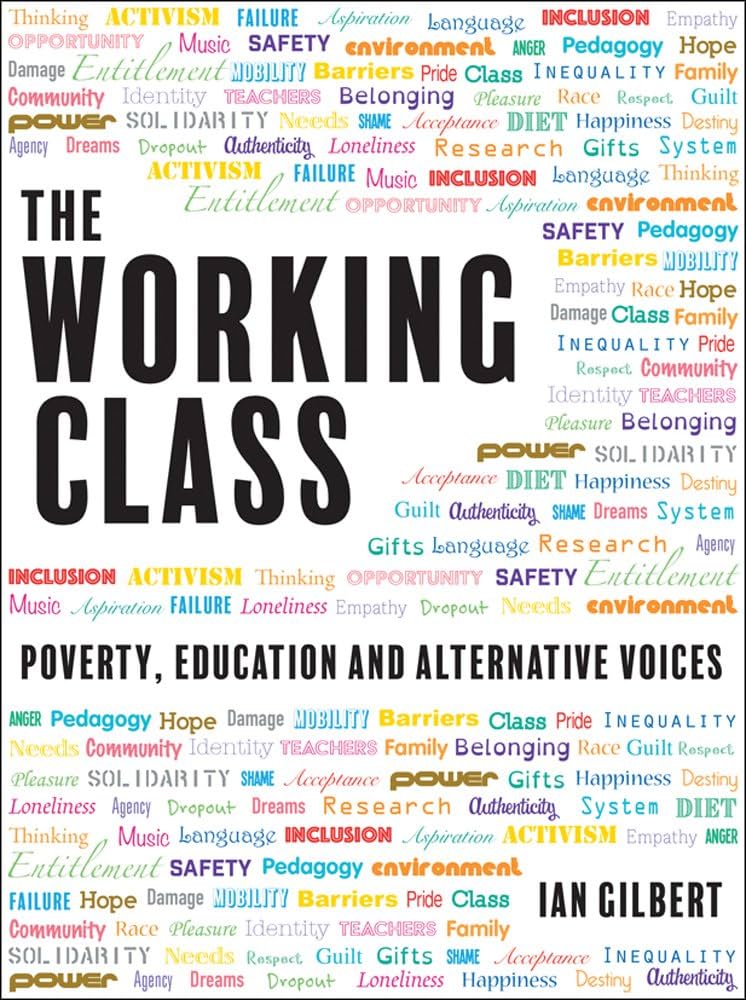
In The Working Class: Poverty, education and alternative voices, Ian Gilbert unites educators from across the UK and further afield to call on all those working in schools to adopt a more enlightened and empathetic approach to supporting children in challenging circumstances. One of the most intractable problems in modern education is how to close the widening gap in attainment between the haves and the have-nots. Unfortunately, successive governments both in the UK and abroad have gone about solving it the wrong way. Independent Thinking founder Ian Gilbert’s increasing frustration with educational policies that favour ‘no excuses’ and ‘compliance’, and that ignore the broader issues of poverty and inequality, is shared by many others across the sphere of education – and this widespread disaffection has led to the assembly of a diverse cast of teachers, school leaders, academics and poets who unite in this book to challenge the status quo. Their thought-provoking commentary, ideas and impassioned anecdotal insights are presented in the form of essays, think pieces and poems that draw together a wealth of research on the issue and probe and discredit the current view on what is best for children from poorer socio-economic backgrounds. Exploring themes such as inclusion, aspiration, pedagogy and opportunity, the contributions collectively lift the veil of feigned ‘equality of opportunity for all’ to reveal the bigger picture of poverty and to articulate the hidden truth that there is always another way.
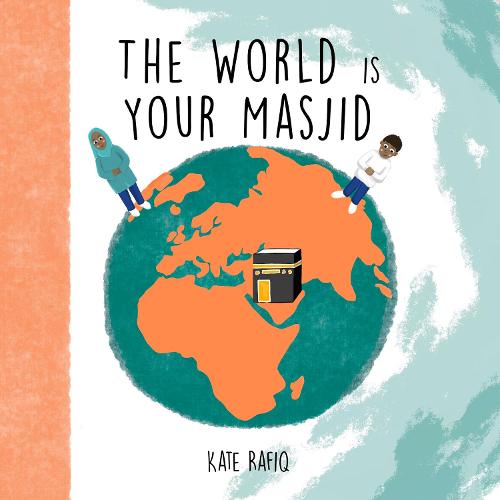
Winner of the 2021 Muslim Bookstagram Awards - Best Early Picture Book
Where can you pray when you can’t get to the masjid?
Join Rayan and Amelia as they explore all the places they can pray and just a few places where they can’t.
With vibrant illustrations and fun rhyming verses, this book is a reminder for all of us that we can find somewhere to pray wherever we are.
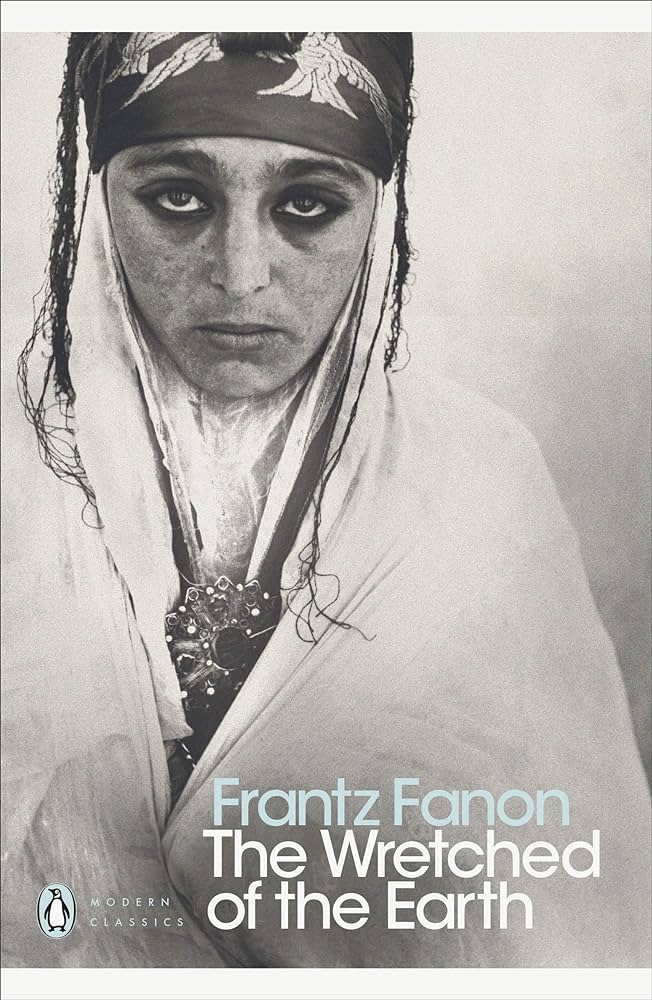
Frantz Fanon's The Wretched of the Earth is a masterful and timeless interrogation of race, colonialism, psychological trauma, and revolutionary struggle, and a continuing influence on movements from Black Lives Matter to decolonization. A landmark text for revolutionaries and activists, The Wretched of the Earth is an eternal touchstone for civil rights, anti-colonialism, psychiatric studies, and Black consciousness movements around the world.
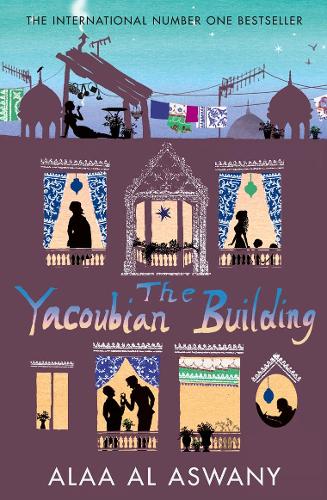
This exceptional Egyptian novel – as mesmerising as it is controversial – caused an unprecedented stir when it was first published in Arabic.
Welcome to the Yacoubian Building, Cairo: once grand, now dilapidated, and full of stories and passion. Some live in squalor on its rooftop while others inhabit the faded glory of its apartments and offices. Within these walls religious fervour jostles with promiscuity; bribery with bliss; modern life with ancient culture. At ground level, Taha, the doorman’s son, harbours career aspirations and romantic dreams – but when these are dashed by unyielding corruption, hope turns to bitterness, with devastating consequences.
Alaa Al Aswany’s superb novel about Egypt’s many contradictions is at once an impassioned celebration and a ruthless dissection of a society
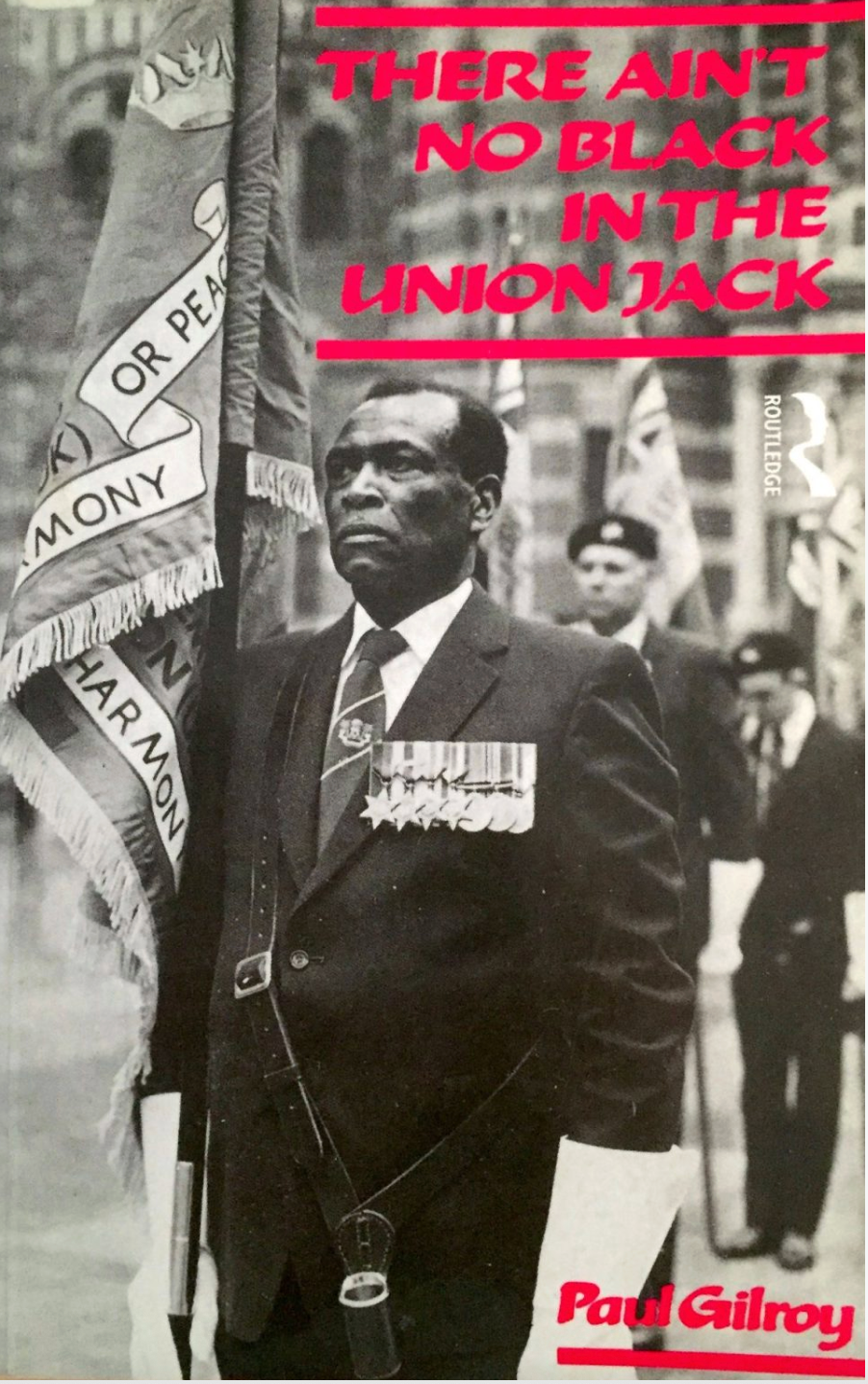
This text is a powerful indictment of contemporary academic practices, in which Gilroy highlighted the inadequacies of the British approach to race. It provided a powerful new direction for race relations theory in Britain. Gilroy demonstrates the enormous complexity of racial politics in England today. Exploring the relationships among race, class, and nation as they have evolved over the past twenty years, he highlights racist attitudes that transcend the left-right political divide. He challenges current sociological approaches to racism as well as the ethnocentric bias of British cultural studies. "Gilroy demonstrates effectively that cultural traditions are not static, but develop, grow and indeed mutate, as they influence and are influenced by the other changing traditions around
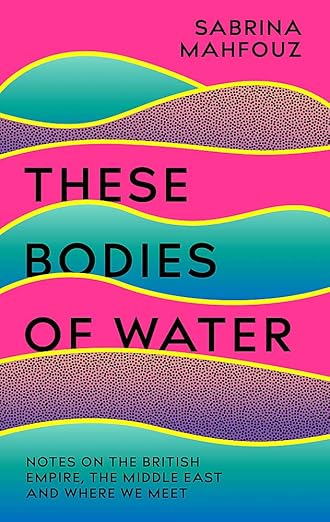
'Sabrina Mahfouz is a tidal wave of truth swallowing the banks of empire with a torrent of information which will not be damned' Lemn Sissay
'A bold, brave look at the ways imperialism affects us all, from the universally political to the insightfully intimate' Riz Ahmed
'Impossible to put down while you're reading, and impossible to forget about when you've finished' Glamour
Are you not made of Suez silt?
How do we know you won't
shore our boats
by making yourself bigger
than we made you?
Sabrina Mahfouz once sat in a Whitehall interview room and was interrogated about everything from her political leanings to her private life. It was ostensibly a job interview, but implicit in their demands was the unspoken question: as a woman of Middle Eastern heritage, could she really be trusted?
Years later, Sabrina found herself confronting the meaning behind this interrogation, and how it was specifically informed by the British Empire's historical dominance in the Middle East. THESE BODIES OF WATER investigates this history through the Middle Eastern coastlines and waterways that were so vital to the Empire's hold. Interwoven with her own personal experiences, Sabrina combines history, politics, myth and poetry in a devastating examination of this unacknowledged part of Britain's colonial past.
Part history, part polemic and part intimate memoir, THESE BODIES OF WATER is a tapestry of writing that tells the story of Britain's relationship with the Middle East in the most revealing terms.
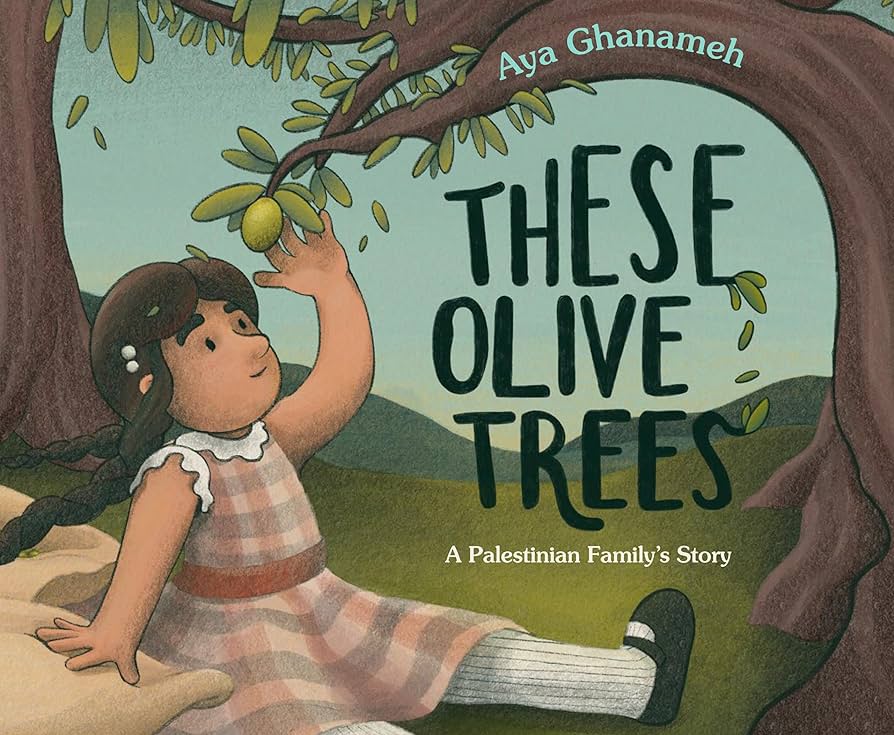
It’s 1967 in Nablus, Palestine. Oraib loves the olive trees that grow outside the refugee camp where she lives. Olives have always tied her family to the land, as Oraib learns from the stories Mama tells of a home before war. But war has come to their door once more… The story of a Palestinian family’s ties to the land, and how one young girl finds a way to care for her home, even as she says goodbye.