
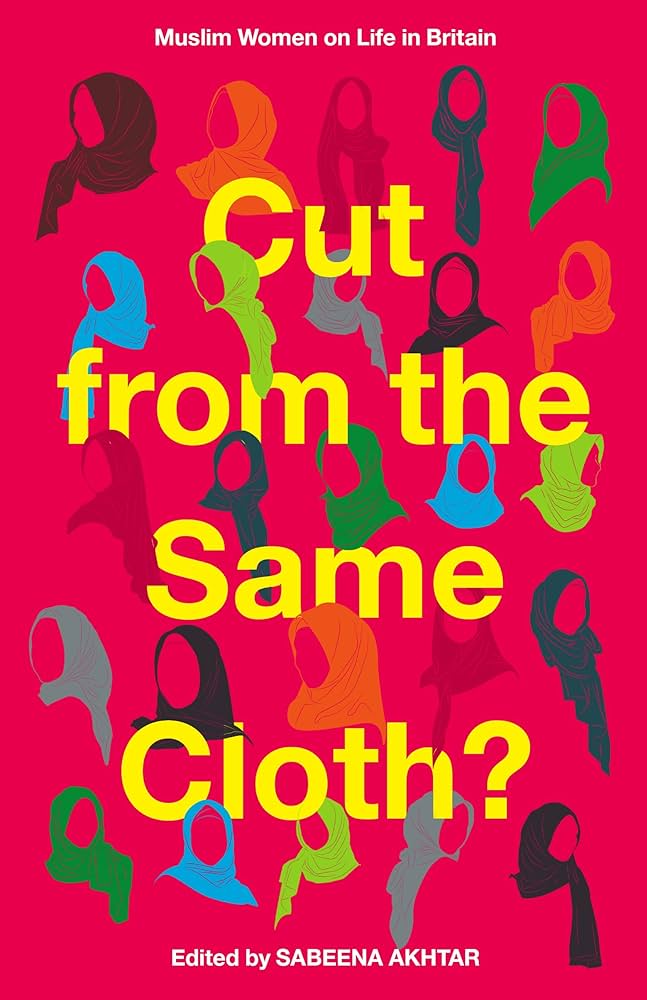
Perceived as the visual representation of Islam, hijab-wearing Muslim women are often harangued at work, at home and in public life yet are rarely afforded a platform on their own terms. Whether it s awkward questions, radical commentators sensationalising our existence, non-Muslims and non-hijabis making assumptions, men speaking on our behalf, or stereotypical norms being perpetuated by the same old faces, hijabis are tired. Cut from the Same Cloth? seeks to tip the balance back in our favour. Here, twenty-one middle- and working-class women of all ages and races look beyond the tired tropes, exploring the breadth of our experience and spirituality. It s time we, as a society, stop with the hijab-splaining and make space for the women who know. Essays by Aisha Rimi, Asha Mohamed, Fatha Hassan, Fatima Ahdash, Hodan Yusuf, Khadijah El Shayyal, Khadijah Rotimi, Mariam Ansar, Negla Abdalla, Raisa Hassan, Rumana Lasker Dawood, Ruqaiya Haris, Sabeena Akhtar, Shaista Aziz, Sofia Rehman, Sophie Williams, Suhaiymah Manzoor Khan, Suma Din, Sumaya Kassim, Yvonne Ridley, Zara Adams.
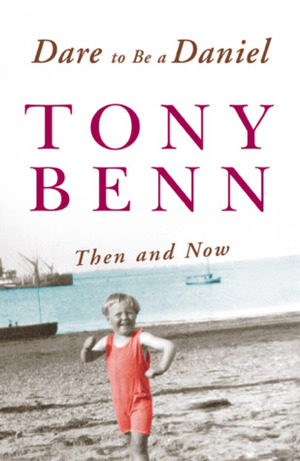
Born into a family with a strong, radical dissenting tradition in which enterprise and public service were combined, Tony Benn was taught to believe that the greatest sin in life was to waste time and money. Life in his Victorian-Edwardian family home in Westminster was characterised by austerity, the last vestiges of domestic service, the profound influence of his mother, a dedicated Christian and feminist, and his colourful and courageous father, elected as a Liberal MP in 1906 and later serving in Labour Cabinets under Ramsay MacDonald and Clem Atlee. Benn followed in his father's footsteps, becoming one of the most famous and respected figures in modern British politics.
Dare to be a Daniel feelingly recalls Tony Benn's years as one of three brothers experiencing life in the nursery, the agonies of adolescence and of school, where boys were taught to 'keep their minds clean' and the shadow of fascism and the Second World War with its disruption and family loss. This moving memoir also describes his emergence from World War Two as a keen socialist about to embark upon marriage and an unknown political future. The book ends with some of Tony Benn's reflections on many of the most important and controversial issues of our time.
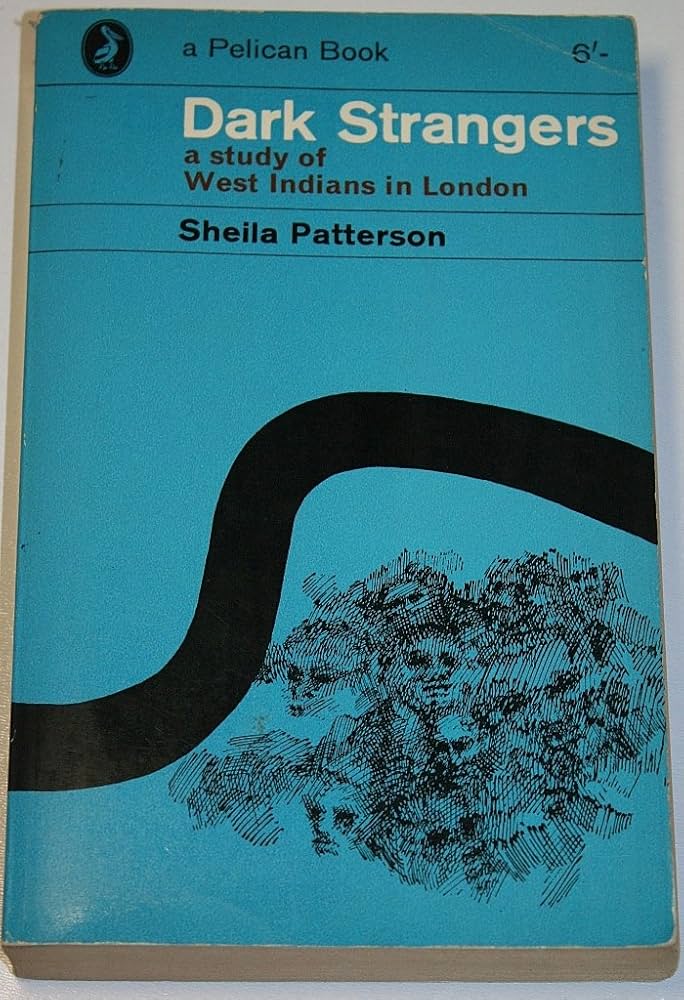
The General Election of 1964 made it obvious that immigration is the most explosive question behind the scenery of English politics today.
Dark Strangers presents a remarkable and very detailed survey of the relationships between West Indian migrants and the local population of the Brixton area of London. Patterson analyses these relationships in terms of the concept of 'accommodation', which she defines as 'an early phase of adaptation and acceptance in which migrants and local people achieve a minimum modus vivendi'. She concentrates her inquiry on three main areas of association - employment, housing, and social and cultural activities - and, despite the inevitable difficulties of the future, her findings do suggest that eventually migrants will be accepted and at least partially absorbed into the local population.
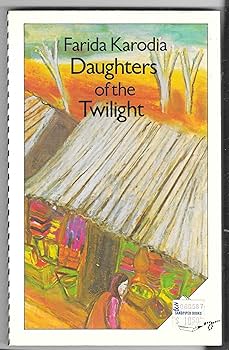
A non-white family in a small town in South Africa in the 1950s is affected by that country's segregation laws when the area in which they have their home and their small business is declared `white.' The two daughters of the household, Meena and Yasmin, are at the same time treading hackneyed paths through the tangles of pubescence and adolescence respectively, while their parents--their father classified `Indian' and their mother `Coloured' under the complexities of Pretoria's system of racial classifications--attempt to cope with this disruption to their otherwise comfortable lives.
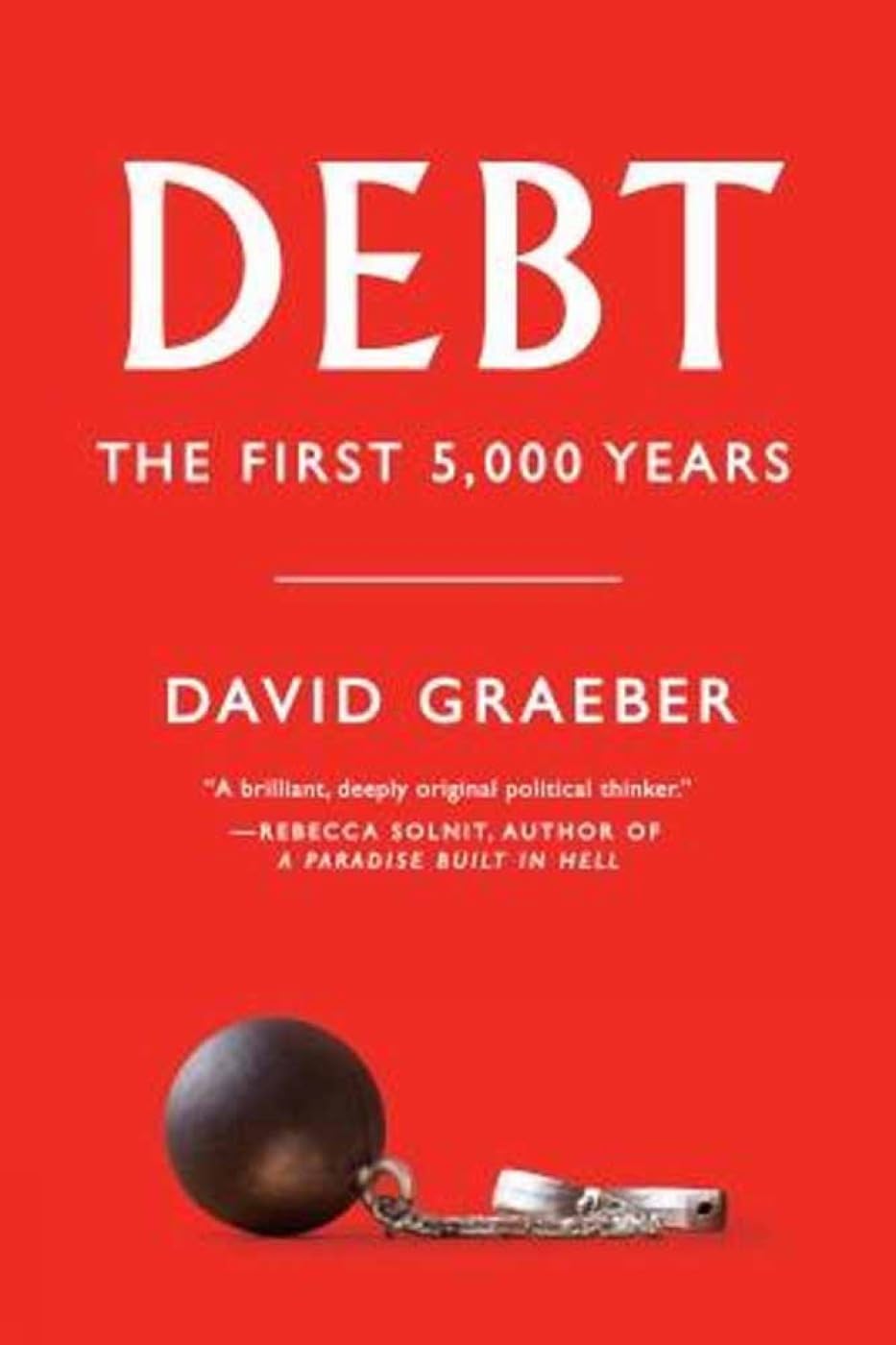
Every economics textbook says the same thing: Money was invented to replace onerous and complicated barter systems—to relieve ancient people from having to haul their goods to market. The problem with this version of history? There’s not a shred of evidence to support it.
Here anthropologist David Graeber presents a stunning reversal of conventional wisdom. He shows that for more than 5,000 years, since the beginnings of the first agrarian empires, humans have used elaborate credit systems to buy and sell goods—that is, long before the invention of coins or cash. It is in this era, Graeber argues, that we also first encounter a society divided into debtors and creditors.
Graeber shows that arguments about debt and debt forgiveness have been at the center of political debates from Italy to China, as well as sparking innumerable insurrections. He also brilliantly demonstrates that the language of the ancient works of law and religion (words like “guilt,” “sin,” and “redemption”) derive in large part from ancient debates about debt, and shape even our most basic ideas of right and wrong. We are still fighting these battles today without knowing it.

A vibrant, hard-hitting and informative collection of essays that sets out to defend Britain's multicultural way of life. The contributors challenge David Cameron and others' assertions that multiculturalism is to blame for dividing society. The best thinkers and writers in politics, academia and activism tackle questions such as 'Has Multiculturalism Failed?' 'The Threat of the English Defence League' and 'Are the White Working Class Excluded?'. This accessible book is a must have for all those who want to celebrate, defend and extend Britain's diverse society.
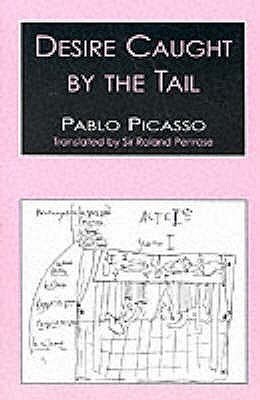
Desire Caught by the Tail is a farcical play written by the painter Pablo Picasso.
Isolation and community. Restrictions and freedom.
The near future is a militarised state, a fractured continent, and a world in which fascism is resurging following pandemics and climate devastation.
Against this grim backdrop, the characters of Dignity form a deeply diverse resistance movement that brings connection, strength and hope to those who need it most.
This novel can be read on its own or as part of a trilogy, in any order:
Margins and Murmurations
Conserve and Control
Dignity
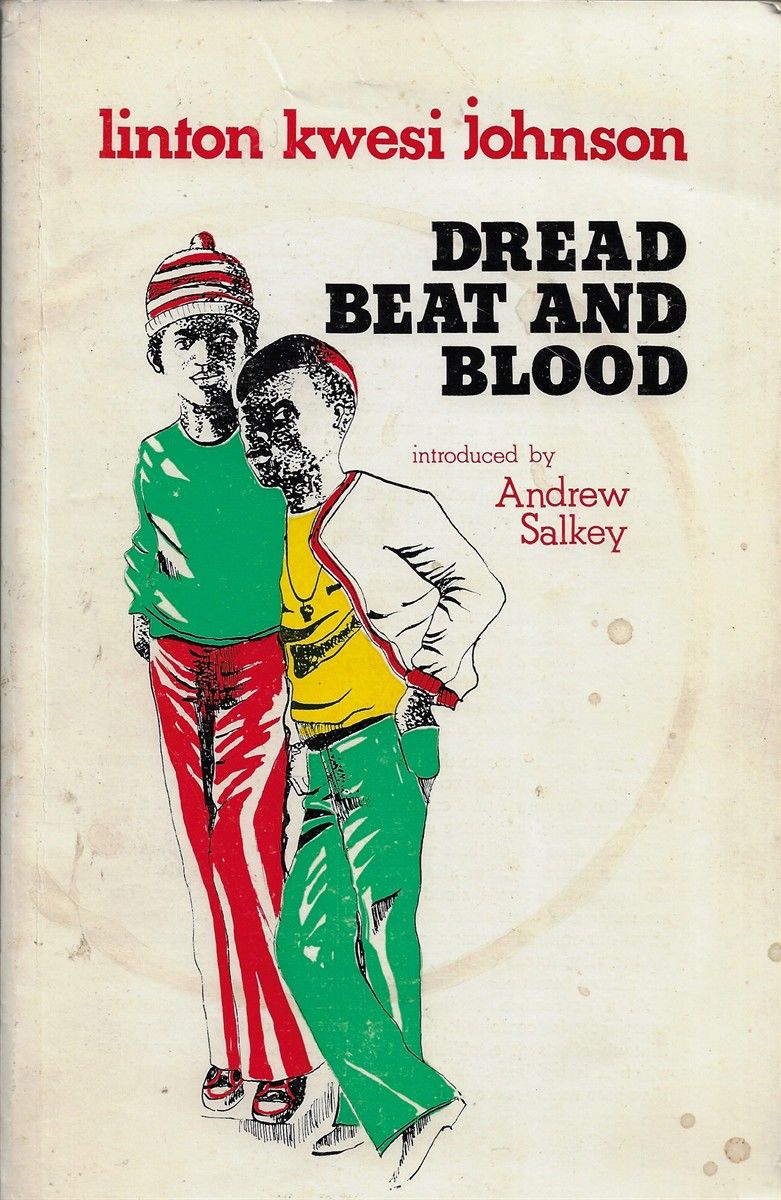
Poetry by pioneering Dub poet, Linton Kwesi Johnson. Introduced by Andrew Salkey.