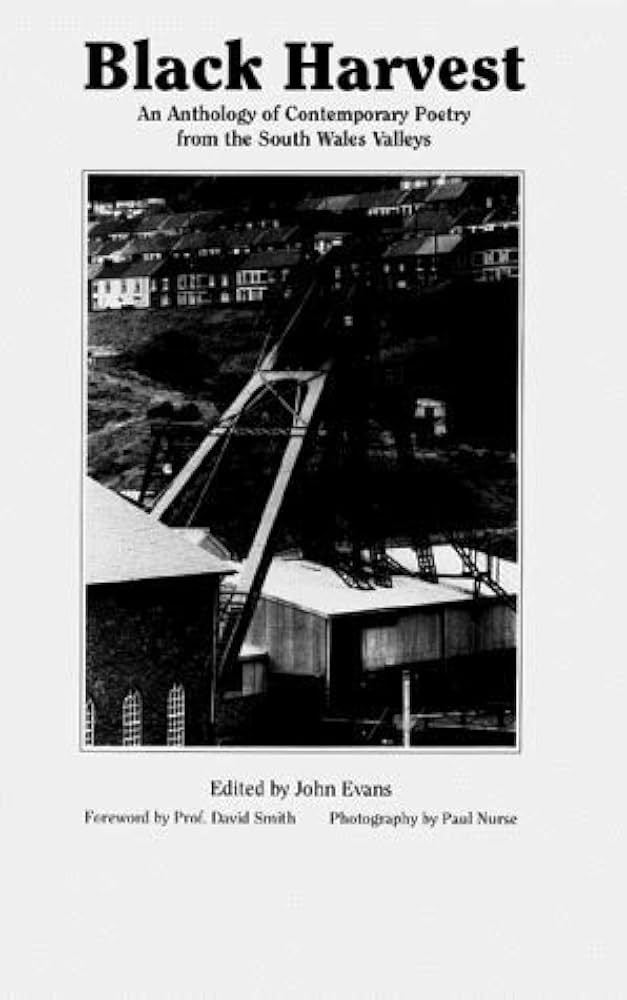
'The first ever Anthology of Contemporary Poetry from the South Wales Valleys beautifully illustrated with black and white photographs .Includes work by all the leading Welsh writers including: Duncan Bush, Peter Finch, Mike Jenkins, Oliver Reynolds, Labi Siffre,Chris Torrance, Herbert Williams. Foreword: Prof. Dai Smith'
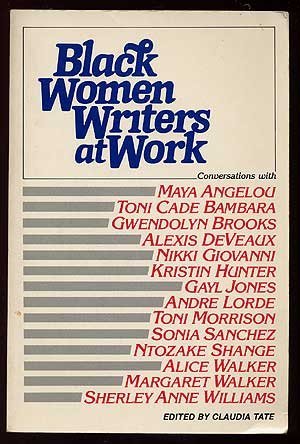
"Black Women Writers: Arguments and Interviews" is a 1985 book edited by Mari Evans that contains critical essays and interviews with Black women writers, providing insight into their work and experiences. Other resources for arguments and interviews with Black women writers include the work of scholars like Courtney Thorson, a 2023 YouTube conversation with author Barbara Smith, and the interview style of Claudia Tate in her book "Black Women Writers at Work".
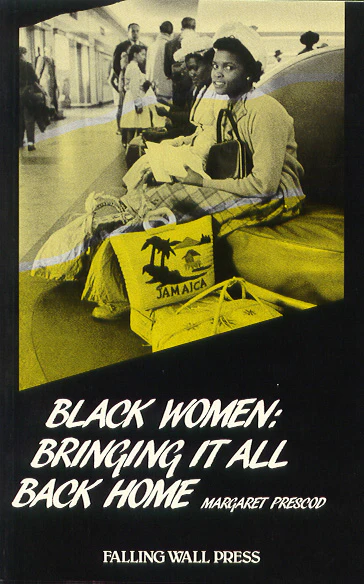
"Black Women: Bringing It All Back Home" focuses on the experiences of Black, immigrant, and refugee women in Britain. It addresses why West Indian women immigrated, the costs associated with their migration, and their expectations for the future.
The memoir of one man’s coming-of-age, set during the twilight of apartheid and the tumultuous days of freedom that followed.
Trevor Noah’s unlikely path from apartheid South Africa to the desk of The Daily Show began with a criminal act: his birth. Trevor was born to a white Swiss father and a black Xhosa mother at a time when such a union was punishable by five years in prison. Living proof of his parents’ indiscretion, Trevor was kept mostly indoors for the earliest years of his life, bound by the extreme and often absurd measures his mother took to hide him from a government that could, at any moment, steal him away. Finally liberated by the end of South Africa’s tyrannical white rule, Trevor and his mother set forth on a grand adventure, living openly and freely and embracing the opportunities won by a centuries-long struggle.
Born a Crime is the story of a mischievous young boy who grows into a restless young man as he struggles to find himself in a world where he was never supposed to exist. It is also the story of that young man’s relationship with his fearless, rebellious, and fervently religious mother—his teammate, a woman determined to save her son from the cycle of poverty, violence, and abuse that would ultimately threaten her own life.
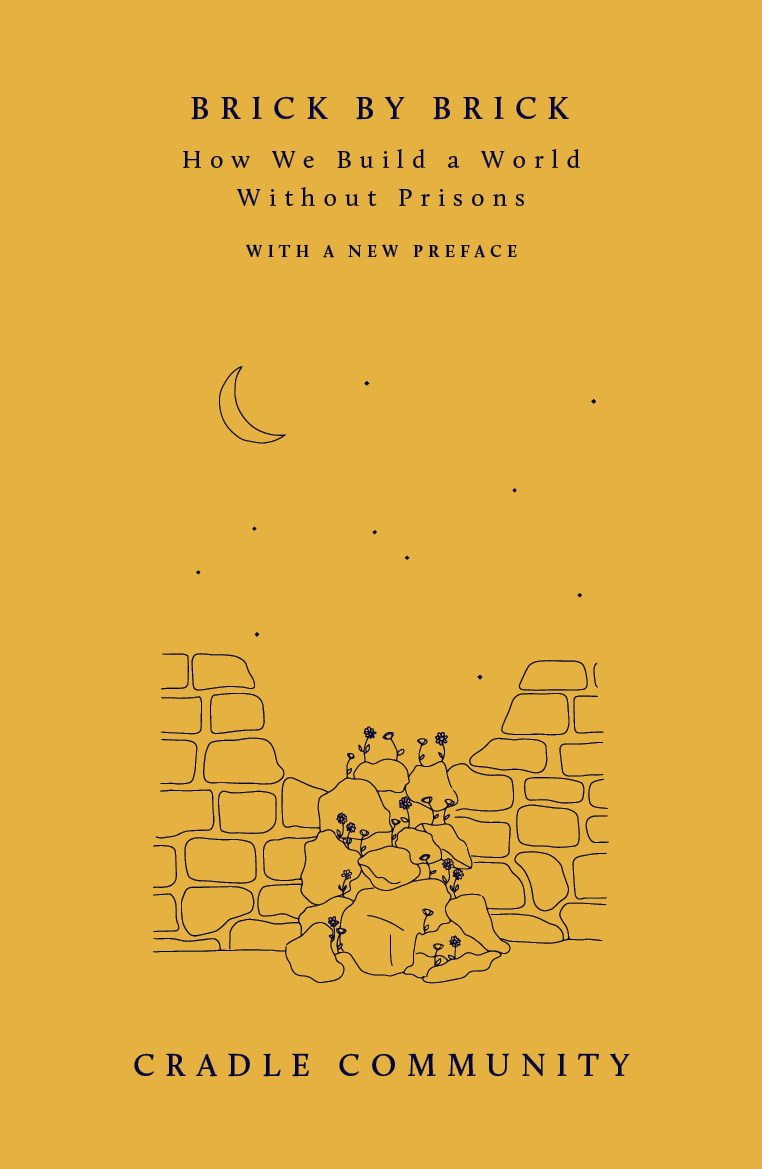
The fight for prison abolition is a struggle for collective liberation: a transformative vision of a safer world, in which communities live free from exploitation on a thriving planet. Drawing connections across social justice movements with a shared abolitionist ethic, this revolutionary book illuminates how harmful ideas of criminality and punishment can manifest in many ways beyond the prison industrial complex. This work is a collaboration with friends, mentors and giants fighting for housing justice, food justice, climate justice, migrant justice, justice for survivors of violence, and more. With this insightful and generous book, now in its second edition, Cradle Community invites us to explore what it will take to dismantle structures of oppression, and to imagine the future we can rebuild together—brick by brick.
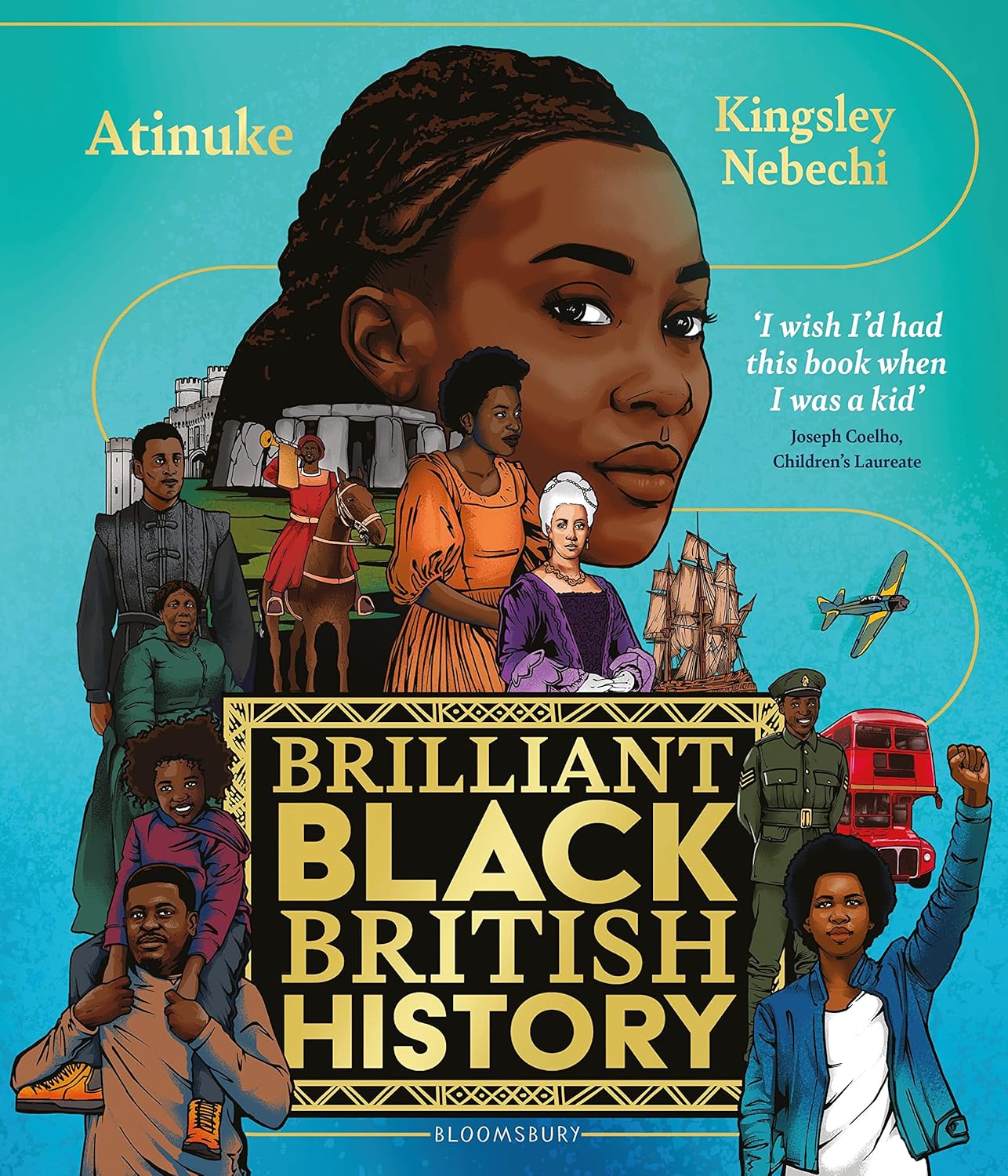
An eye-opening story of Britain, focusing on a part of our past that has mostly been left out of the history books: the brilliant Black history of England, Scotland, Wales and Ireland.
Did you know that the first Britons were Black? Or that some of the Roman soldiers who invaded and ruled Britain were Black, too? Join this fascinating journey through the ages to meet those first Britons, as well as the Black Tudors, Georgians and Victorians who existed in every walk of life here. The incredible journey through time is brought to life through Atinuke's fascinating storytelling and illustrated scenes, detailed maps, and timelines created by illustrator Kingsley Nebechi.
From science and sport to literature and law, celebrate the brilliant Black people who have helped build Britain. Learn about key and complex historical topics such as the world wars, slavery, the industrial revolution, Windrush and the Black Lives Matter movement. This fascinating book will change everything you thought you knew about our green-grey British isles.
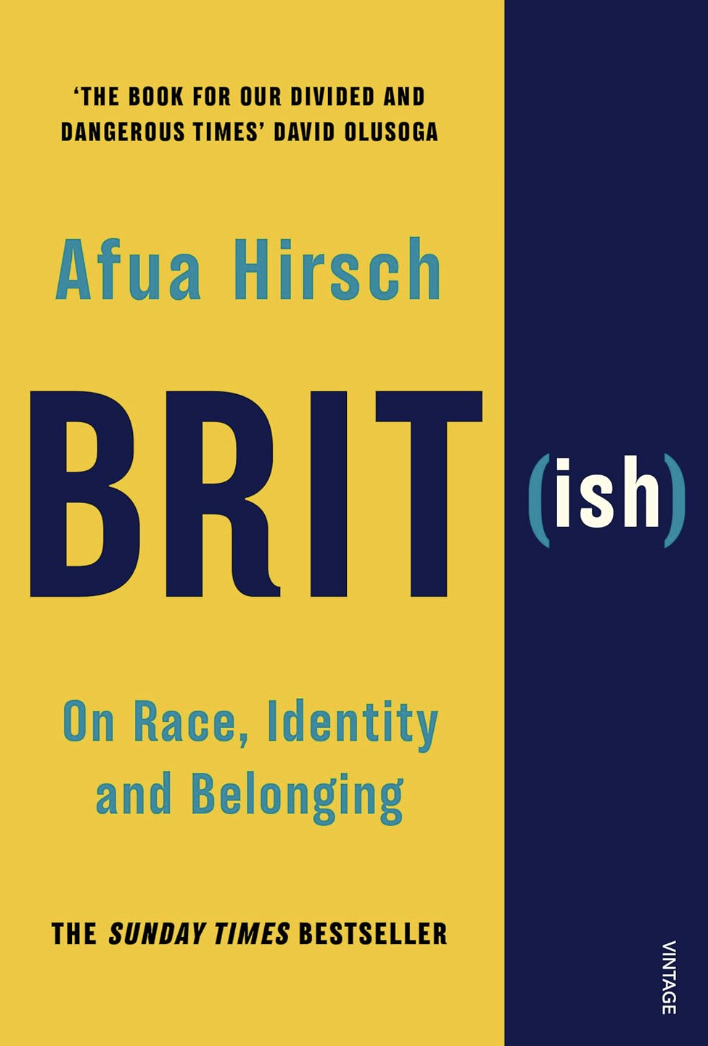
You're British.
Your parents are British.
Your partner, your children and most of your friends are British.
So why do people keep asking where you're from?
We are a nation in denial about our imperial past and the racism that plagues our present. Brit(ish) is Afua Hirsch's personal and provocative exploration of how this came to be - and an urgent call for change.

British Trade Unionism by Allen Hutt is an outline history of the labor movement in Great Britain.