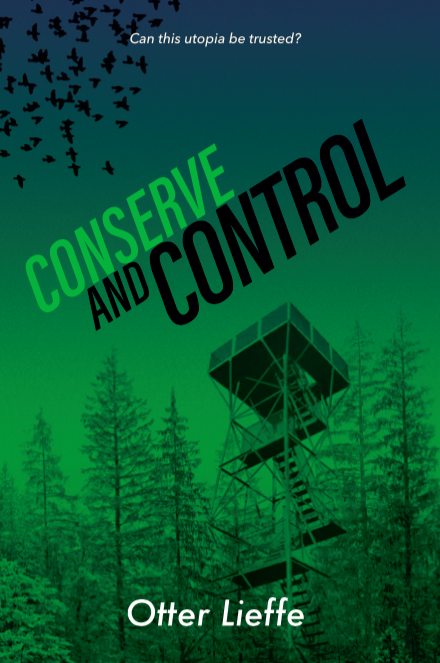
Conserve and Control is written from the margins. Characters who are non-binary, working class, disabled and trans take central place as we are transported to a queer and green paradise that, like all utopias, is not to be trusted.
As a working-class activist and (former) s3x worker, Otter Lieffe brings nuance to the ethics of work, kink, sex and activism. In this, her second novel, she explores what it might mean to really create political change and asks who gets left behind in the process. She invites us to step up and take our place in the struggle and bring our fabulous complexity with us to the front-lines.
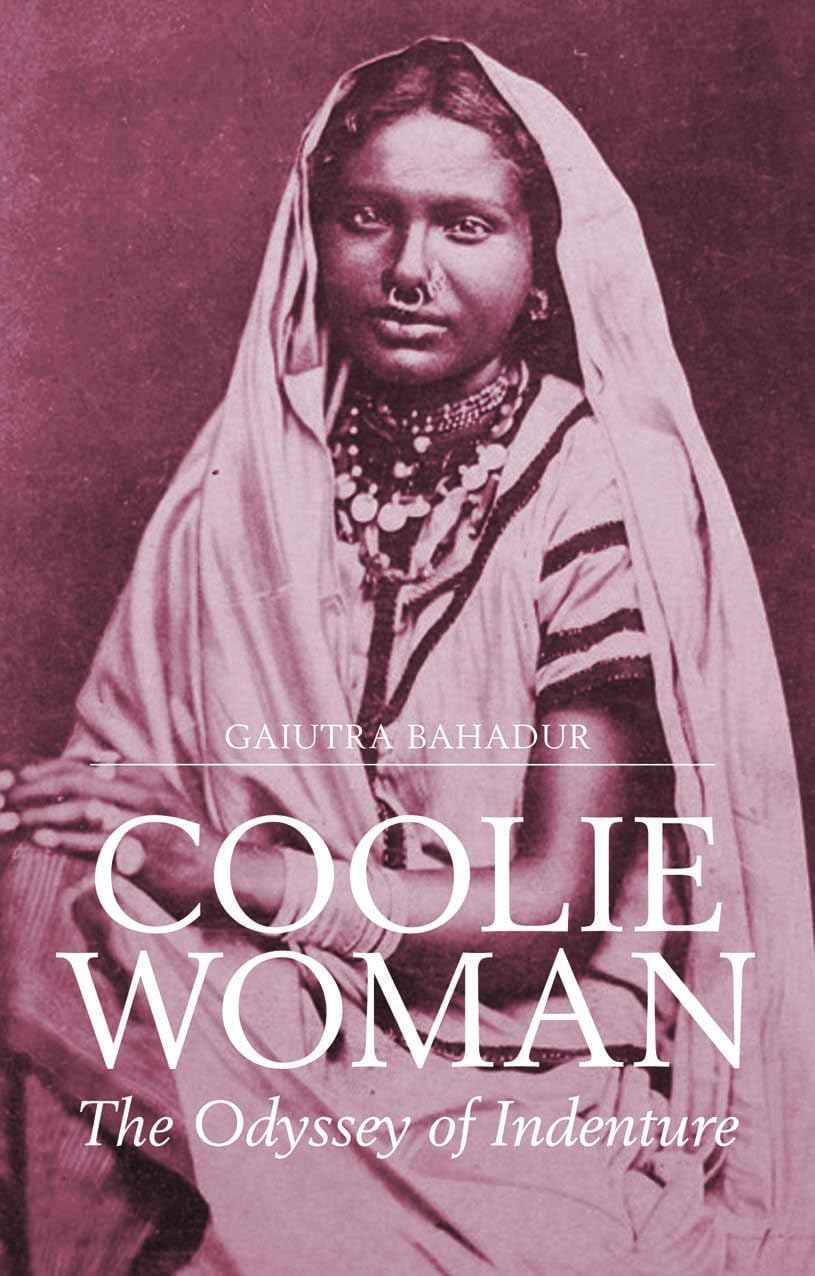
*** Shortlisted for the Orwell Prize*** In 1903 a Brahmin woman sailed from India to Guyana as a 'coolie', the name the British gave to the million indentured labourers they recruited for sugar plantations worldwide after slavery ended. The woman, who claimed no husband, was pregnant and travelling alone. A century later, her great-granddaughter embarks on a journey into the past, hoping to solve a mystery: what made her leave her country? And had she also left behind a man? Gaiutra Bahadur, an American journalist, pursues traces of her great-grandmother over three continents. She also excavates the repressed history of some quarter of a million female coolies. Disparaged as fallen, many were runaways, widows or outcasts, and many migrated alone. Coolie Woman chronicles their epic passage from Calcutta to the Caribbean, from departures akin either to kidnap or escape, through sea voyages rife with sexploitation, to new worlds where women were in short supply. When they exercised the power this gave them, some fell victim to the machete, in brutal attacks, often fatal, by men whom they spurned. Sex with overseers both empowered and imperiled other women, in equal measure.It also precipitated uprisings, as a struggle between Indian men and their women intersected with one between coolies and their overlords.
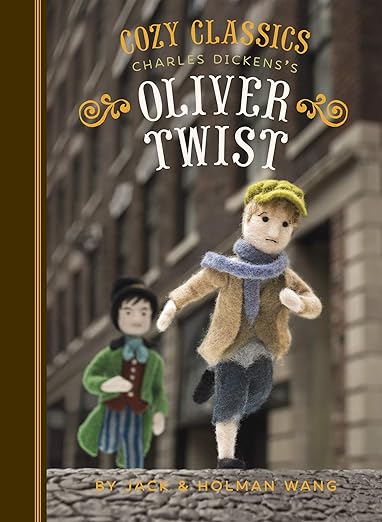
Cuddle up with a classic! In twelve needle-felted scenes and twelve child-friendly words, each book in this ingenious series captures the essence of a literary masterpiece. Simple words and a beloved story make this ebook the perfect vehicle for early learning with an erudite twist. Budding bookworms will delight in this clever retelling of the classics made just for them!
In Charles Dickens's Oliver Twist, an orphan boy on the streets of London falls in with a bad crowd of pickpockets and thieves. Will Oliver ever find his family? It's a first words primer for your literary little one!
The Cozy Classics series is the brainchild of two brothers, both dads, who were thinking of ways to teach words to their very young children. They hit upon the classics as the basis for their infant primers, and the rest, as they say, is history. From Moby Dick to Pride and Prejudice, here are The Great Books of Western Literature for toddlers and their parents in ebook form—a little bit serious, a little bit ironic, entirely funny and clever, and always a welcome read.
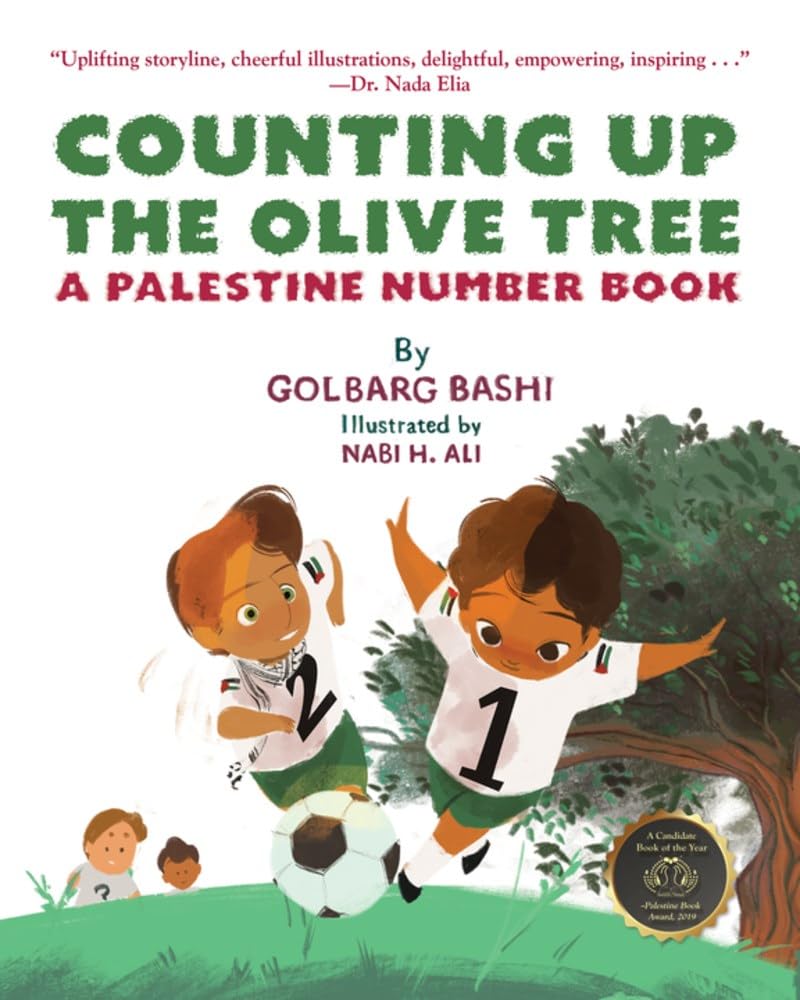
After the extraordinary success of P is for Palestine: A Palestine Alphabet Book, Golbarg Bashi teamed up with the gifted artist Nabi H. Ali to publish the second book in the Dr. Bashi Diverse Books Series, namely 'Counting Up the Olive Tree: A Palestine Number Book' — a rhythmic, earth-friendly adventure where little Palestinian football (soccer) players, boys and girls, try to save an olive tree — helping young readers practice counting the numbers!
A new fully illustrated counting 123 book about Palestine, from the author and publisher of the critically-acclaimed P is for Palestine: A Palestine Alphabet Book a bold diverse children's book successfully crowd-fundraised on Launchgood.com!
Counting Up The Olive Tree: A Palestine Number Book is a social justice homage to Bill Martin Jr. and his Chicka Chicka Boom Boom. A legendary classic children’s book we love.
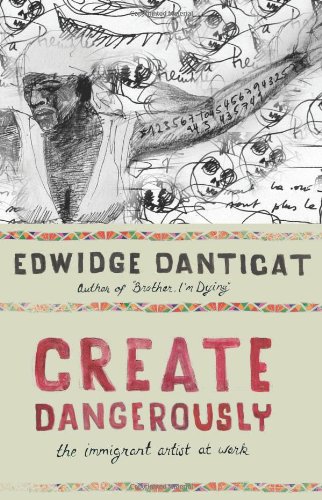
In this deeply personal book, the celebrated Haitian-American writer Edwidge Danticat reflects on art and exile, examining what it means to be an immigrant artist from a country in crisis. Inspired by Albert Camus' lecture, "Create Dangerously," and combining memoir and essay, Danticat tells the stories of artists, including herself, who create despite, or because of, the horrors that drove them from their homelands and that continue to haunt them. Create Dangerously is an eloquent and moving expression of Danticat's belief that immigrant artists are obliged to bear witness when their countries of origin are suffering from violence, oppression, poverty, and tragedy.
A mass movement has swept across the globe. It has sparked new debates and questions about imperialism in the 21st century. Anti-Imperialism brings together some of the leading activists and writers in the anti-war movement to look at the issues, main players and regions most affected by imperialism past and present. This handbook is essential for activists everywhere. Contributors include Tariq Ali, George Monbiot, Tony Benn, Louise Christian and many others.
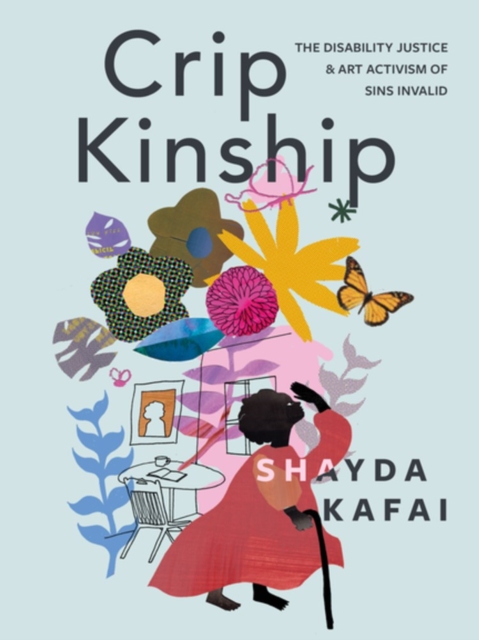
In recent years, disability activism has come into its own as a vital and necessary means to acknowledge the power and resilience of the disabled community, and to call out ableist culture wherever it appears.
Crip Kinship explores the art activism of Sins Invalid, a San Francisco Bay Area - based performance project, and its radical imaginings of what disabled, queer, trans, and gender-nonconforming bodyminds of colour can do: how they can rewrite oppression, and how they can gift us with transformational lessons for our collective survival. Grounded in the disability justice framework, Crip Kinship investigates the revolutionary survival teachings that disabled, queer of colour community offers to all our bodyminds.
From their focus on crip beauty and sexuality to manifesting digital kinship networks and crip-centric liberated zones, Sins Invalid empowers and moves us toward generating our collective liberation from our bodyminds outward.
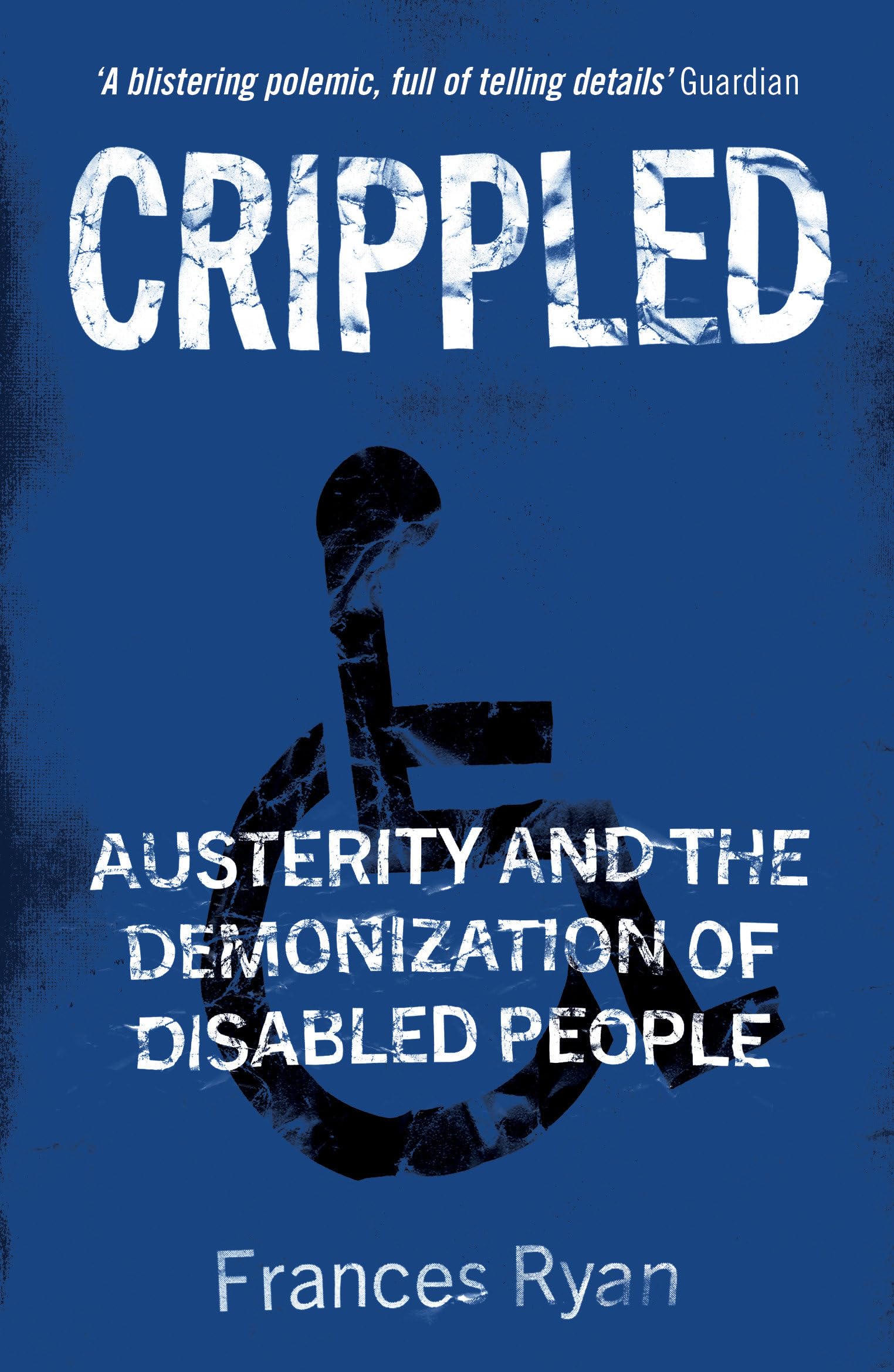
New updated edition includes the impact of COVID on Britain's 14 million disabled people In austerity Britain, disabled people have been recast as worthless scroungers. From social care to the benefits system, politicians and the media alike have made the case that Britain’s 12 million disabled people are nothing but a drain on the public purse. In Crippled, journalist and campaigner Frances Ryan exposes the disturbing reality, telling the stories of those most affected by this devastating regime. It is at once both a damning indictment of a safety net so compromised it strangles many of those it catches and a passionate demand for an end to austerity, which hits hardest those most in need.
A classic work in Black history by this renowned Chicago journalist that explored, at the dawn of the civil rights era, the status of race relations in the United States and what was then described as the 'Negro problem'.
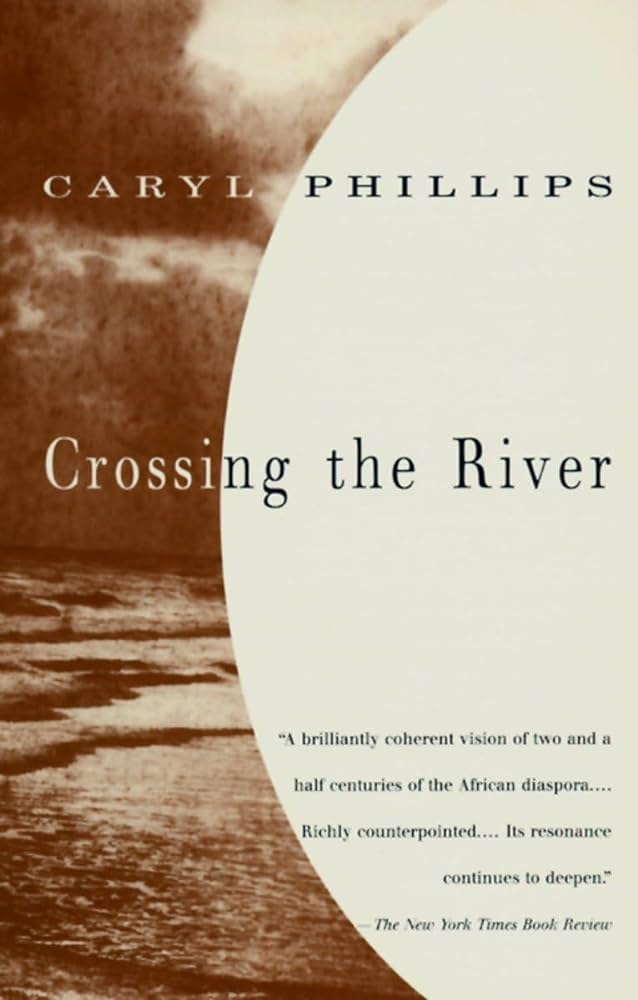
Crossing the River is a story about three black people during different time periods and in different continents as they struggle with the separation from their native Africa. The novel follows Nash, who travels from America to Africa to educate natives about Christ; Martha, an old woman who attempts to travel from Virginia to California to escape the injustices of being a slave; and Travis, a member of the U.S. military who goes to England during World War II.