

In these newly collected essays, interviews and speeches, world-renowned activist and scholar Angela Y. Davis illuminates the connections between struggles against state violence and oppression throughout history and around the world. Reflecting on the importance of black feminism, intersectionality and prison abolitionism for today's struggles, Davis discusses the legacies of previous liberation struggles, from the Black Freedom Movement to the South African anti-Apartheid movement. She highlights connections and analyses today's struggles against state terror, from Ferguson to Palestine. Facing a world of outrageous injustice, Davis challenges us to imagine and build the movement for human liberation. And in doing so, she reminds us that 'Freedom is a constant struggle.'

Chloe Brown is a chronically ill computer geek with a goal, a plan and a list. After almost - but not quite - dying, she's come up with a list of directives to help her 'Get a Life': - Enjoy a drunken night out - Ride a motorbike - Go camping - Have meaningless but thoroughly enjoyable sex - Travel the world with nothing but hand luggage - And . . . do something bad But it's not easy being bad, even when you've written out step-by-step guidelines. What Chloe needs is a teacher, and she knows just the man for the job: Redford 'Red' Morgan. With tattoos and a motorbike, Red is the perfect helper in her mission to rebel, but as they spend more time together, Chloe realises there's much more to him than his tough exterior implies. Soon she's left wanting more from him than she ever expected . . . maybe there's more to life than her list ever imagined?
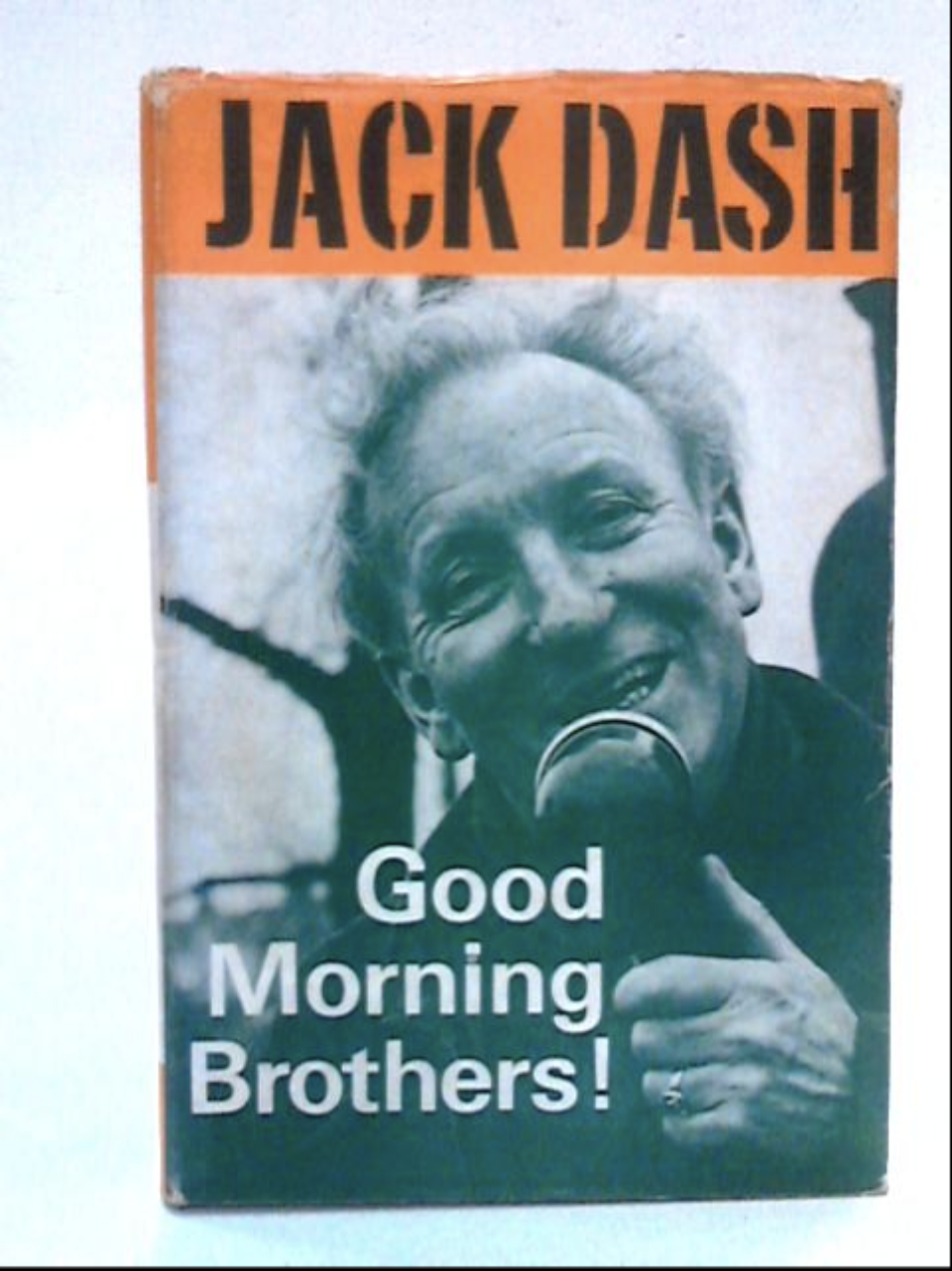
Autobiography of a docker and trade union leader in the UK covering the period from the 1930s to 1968 - comprises an historical account of labour relations, trade union leadership, workers representation and collective bargaining in the port of london, and the struggle for improvement in working conditions, wages, hours of work, occupational safety, etc., together with descriptions of various strikes, unofficial strikes and lockouts.
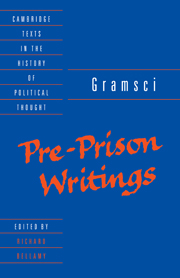
This 1994 collection of Gramsci's pre-prison writings, translated and including a number of pieces not previously available in English, covers the whole gamut of his journalistic activity, ranging from general cultural criticism to commentaries on local, national and international events. These early articles reveal the genesis of many of the themes of the Prison Notebooks, such as the function of intellectuals, the importance of cultural hegemony in holding societies together, and the role of the party in organising a revolutionary consciousness. In particular, the collection highlights the specifically Italian political, cultural and social origins and relevance of much of Gramsci's innovatory reworking of certain central concepts of Marxist thought. It will be of interest to a broad range of scholars and students concerned with the history of political, social and cultural thought in the twentieth century.
- Covers the whole gamut of Gramsci's journalistic activity
- Inclusion of early pieces throws new light on the evolution of Gramsci's contribution to Marxist thought
- All writings newly translated, including some pieces never translated before
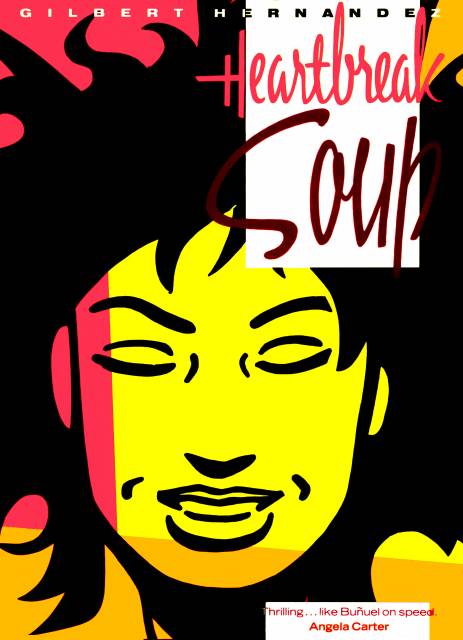
Gato loved Pipo who loved Manuel who loved no one but dated everyone. Amidst love stories, family dramas, boyish pranks, and a touch of the supernatural, Gilbert Hernandez introduces us to Palomar, a village somewhere in Latin America where the stories collected in *Sopa de Lágrimas* (Soup of Tears) take place.
Frequently compared by international critics to the literature of Isabel Allende and the classic *One Hundred Years of Solitude* by Gabriel García Márquez, the stories in *Sopa de Lágrimas* have much of the magical realism of Latin American literature. And it features characters that are among the most vivid in the history of comics, such as Luba, the exuberant outsider who settles in Palomar, Chelo, the town's official bather, and Típin Típin, the last heartbroken romantic.

Noam Chomsky, the world's foremost intellectual activist, presents an irrefutable analysis of America's pursuit of total domination and the catastrophic consequences that are sure to follow.
From the funding of repressive regimes to the current 'war on terror', from the toppling of governments opposing its beliefs to the invasion of Iraq, America pursues its global strategy no matter what the cost. With the rigour and insight that have made him our most important unraveller of accredited lies, Noam Chomsky reveals the truth and the true motives behind America's quest for dominance - and seeks also to show how the world may yet step back from the brink.
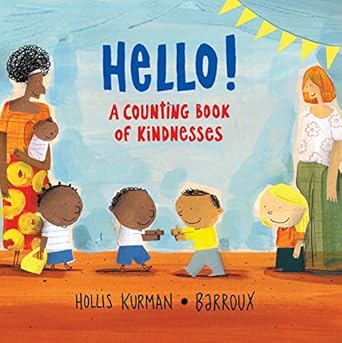
Come with a family as they travel out of danger to a safe place and meet all kinds of people who show them kindness along the way. This unique and beautiful counting book is full of empathy and hope for all children, everywhere.


A Palestinian family celebrates the stories of their homeland in this moving autobiographical picture book debut by Hannah Moushabeck. With heartfelt illustrations by Reem Madooh, this story is a love letter to home, to family, and to the persisting hope of people that transcends borders.

All too often the focus of mainstream feminism is not on basic survival for the many, but on increasing privilege for the few.
Meeting basic needs is a feminist issue. Food insecurity, the living wage and access to education are feminist issues. The fight against racism, ableism and transmisogyny are all feminist issues.
White feminists often fail to see how race, class, sexual orientation and disability intersect with gender. How can feminists stand in solidarity as a movement when there is a distinct likelihood that some women are oppressing others?
Insightful, incendiary and ultimately hopeful, Hood Feminism is both an irrefutable indictment of a movement in flux and also clear-eyed assessment of how to save it.