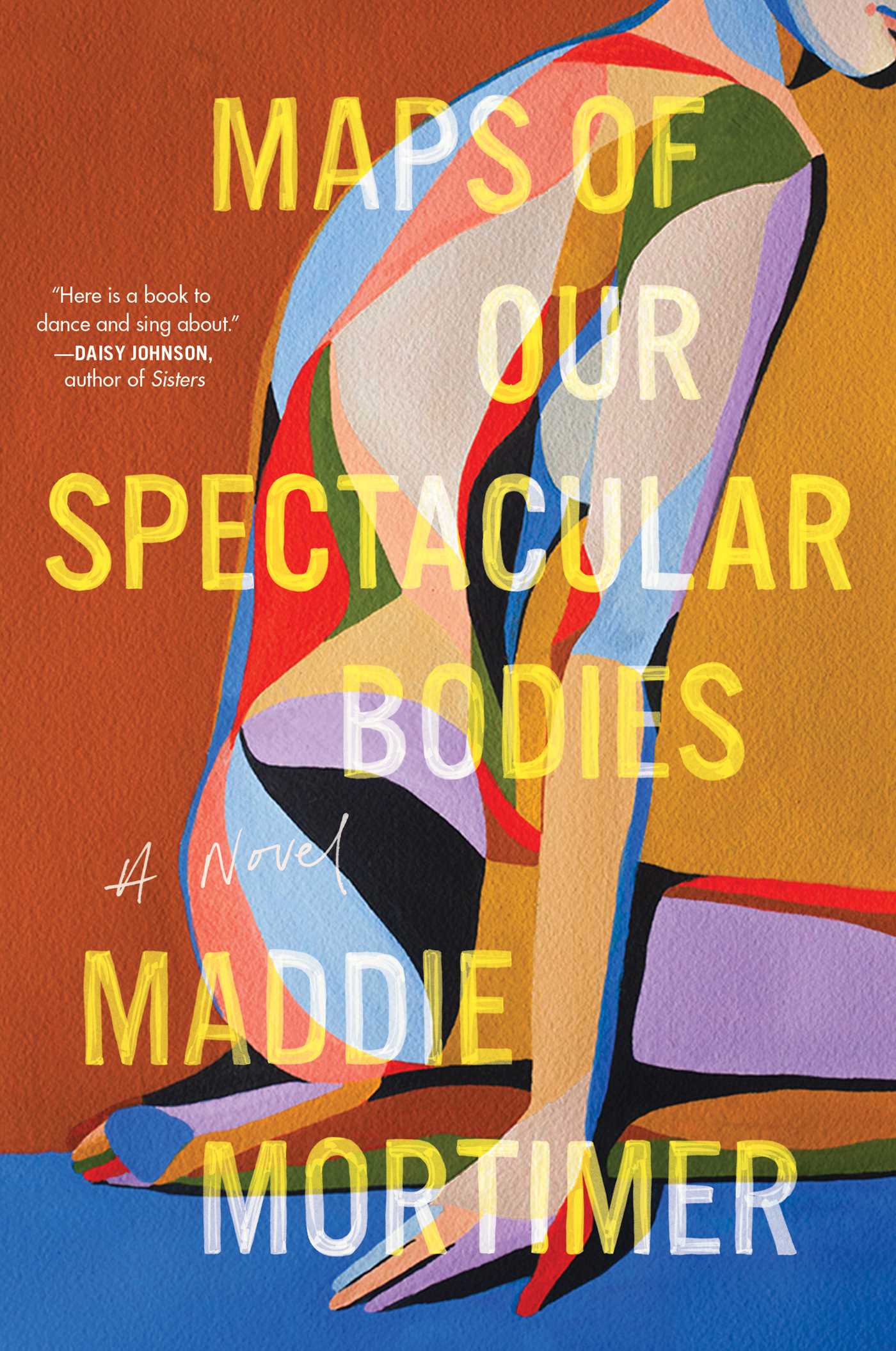
Something gleeful and malevolent is moving in Lia’s body, learning her life from the inside out. A shape-shifter. A disaster tourist. It’s travelling down the banks of her canals. It’s spreading. When a sudden diagnosis upends Lia’s world, the boundaries between her past and her present begin to collapse. Deeply buried secrets stir awake. As the voice prowling in Lia takes hold of her story, and the landscape around becomes indistinguishable from the one within, Lia and her family are faced with some of the hardest questions of all: how can we move on from the events that have shaped us, when our bodies harbour everything? And what does it mean to die with grace, when you’re simply not ready to let go? Maps of Our Spectacular Bodies is a story of coming-of-age at the end of a life. Utterly heart-breaking yet darkly funny, Maddie Mortimer’s astonishing debut is a symphonic journey through one woman’s body: a wild and lyrical celebration of desire, forgiveness, and the darkness within us all.
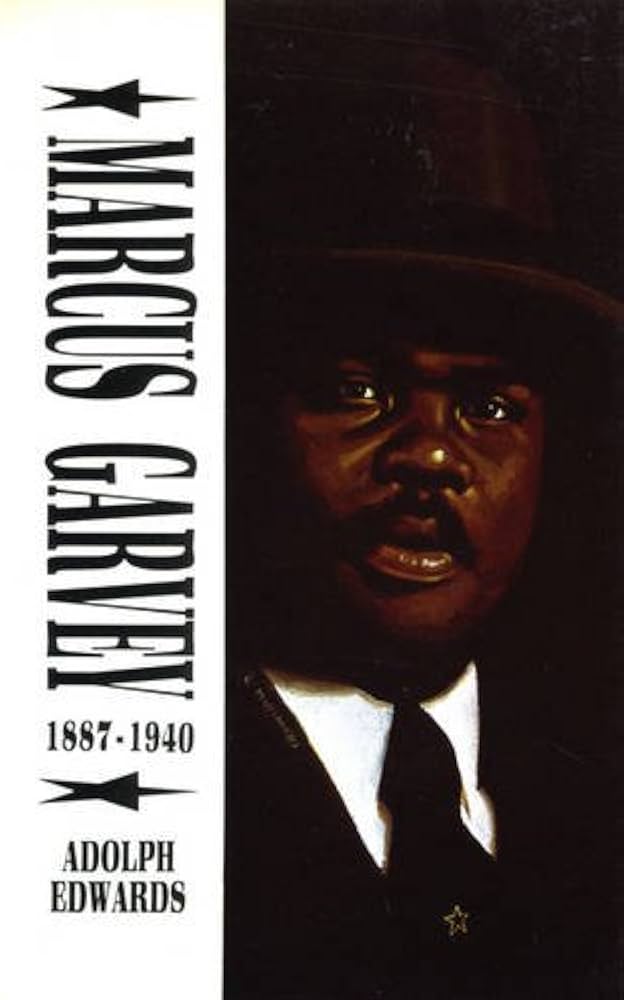
Marcus Garvey is one of the great figures of the 20th century. He proved by his life's work the potency of the racial factor in contemporary politics. With little aid from the geneticists, sociologists, anthropoligists or historians Garvey asserted the principle of racial equality, especially of Negro and African equality while claiming due respect for the African past.
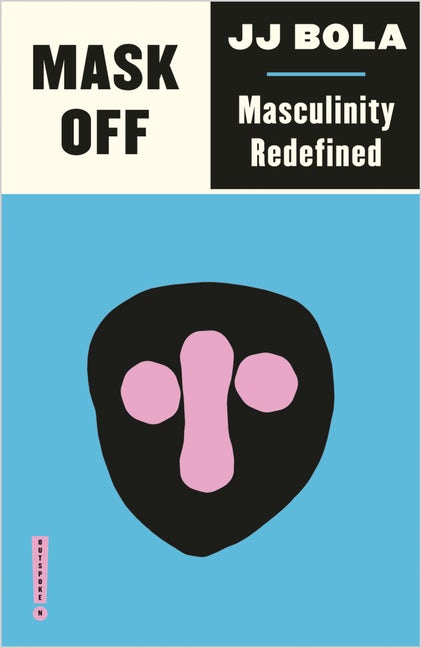
What is masculinity? Dominating the world around us, from Trump's twitter outbursts to deadly gun violence, from male suicide rates to incels on Reddit and 4chan, masculinity is perceived to be 'toxic', 'fragile' and 'in crisis'. In Mask Off, JJ Bola exposes masculinity as a performance that men are socially conditioned into. Using examples of non-Western cultural traditions, music and sport, he shines light on historical narratives around manhood, debunking popular myths along the way. He explores how LGBTQ men, men of colour, and male refugees experience masculinity in diverse ways, revealing its fluidity, how it's strengthened and weakened by different political contexts, such as the patriarchy or the far-right, and perceived differently by those around them. At the heart of love and sex, the political stage, competitive sports, gang culture, and mental health issues, lies masculinity: Mask Off is an urgent call to unravel masculinity and redefine it.
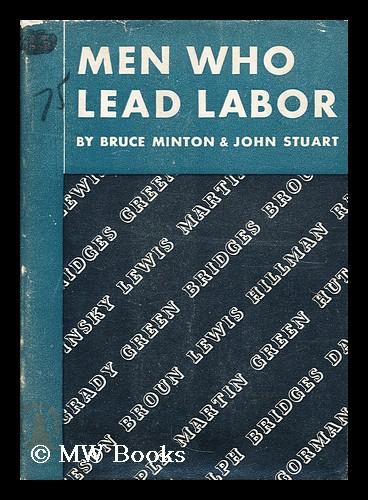
"Nothing in the years of this turbulent decade has produced a greater stir than the labor developments of 1937. Cleavage of opinion and sympathy have been even sharper than in the presidential election of 1936. To thousands of people John L. Lewis of the C.I.O. is a magnificent patriot fighting for a noble cause--and to other thousands he wears horns and a tail. Opinion divides as sharply on the other leading figures of the labor world--William Green of the A.F. of L., Hutcheson of the Carpenters, Heywood Broun of the Newspaper Guild, Bridges of the West Coast. Minton and Stuart have produced in Men Who Lead Labor a series of candid biographies of these men in every day's news--men who are influencing thousands of destinies and the course of our national life. These biographical sketches are vivid and factual, written without fear or favor. In a very real sense this series of brilliant personal histories sketches also the inside story of labor's history during the past decades--a history that includes episodes of corruption and racketeering as well as honest struggle against rotten conditions."
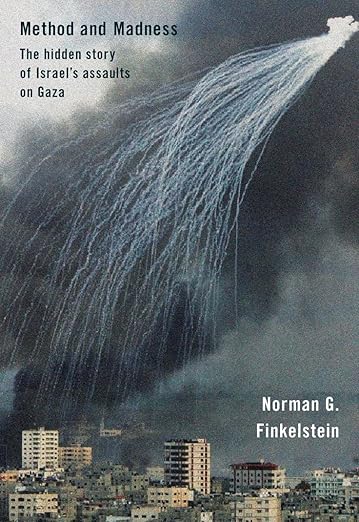
In the past five years Israel has mounted three major assaults on the 1.8 million Palestinians trapped behind its blockade of the Gaza Strip. Taken together, Operation Cast Lead (2008-9), Operation Pillar of Defense (2012), and Operation Protective Edge (2014), have resulted in the deaths of some 3,700 Palestinians. Meanwhile, a total of 90 Israelis were killed in the invasions.
On the face of it, this succession of vastly disproportionate attacks has often seemed frenzied and pathological. Senior Israeli politicians have not discouraged such perceptions, indeed they have actively encouraged them. After the 2008-9 assault Israel’s then-foreign minister, Tzipi Livni, boasted, “Israel demonstrated real hooliganism during the course of the recent operation, which I demanded.”
However, as Norman G. Finkelstein sets out in this concise, paradigm-shifting new book, a closer examination of Israel’s motives reveals a state whose repeated recourse to savage war is far from irrational. Rather, Israel’s attacks have been designed to sabotage the possibility of a compromise peace with the Palestinians, even on terms that are favorable to it.
Looking also at machinations around the 2009 UN sponsored Goldstone report and Turkey’s forlorn attempt to seek redress in the UN for the killing of its citizens in the 2010 attack on the Gaza freedom flotilla, Finkelstein documents how Israel has repeatedly eluded accountability for what are now widely recognized as war crimes.
Further, he shows that, though neither side can claim clear victory in these conflicts, the ensuing stalemate remains much more tolerable for Israelis than for the beleaguered citizens of Gaza. A strategy of mass non-violent protest might, he contends, hold more promise for a Palestinian victory than military resistance, however brave.
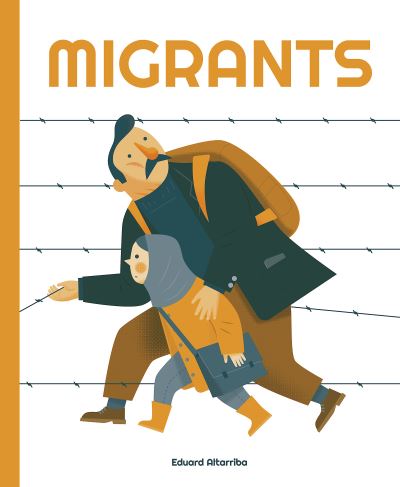
Migrants is a book designed to provide an easy-to-understand explanation for all the doubts kids might have when they hear about the ‘migrant crisis’ on the news. Humanity was nomadic for 99% of its existence. Sedentary life, national borders and the creation of identity documents for increasingly stricter population control are comparatively recent phenomena, and paradoxical given that the world is becoming ever more globalized. The recent emergence of populist movements in the West that are focused on closing borders and rejecting others raises serious questions about our sense of fraternity, especially when we could be facing ever larger migration movements due to the climate crisis. This book concisely explains what migration is, its causes and consequences, and the humanistic and legal aspects regarding it in the simplest, most objective ways possible, so that children have all the information they need to understand the world around them. AGES: 8 plus
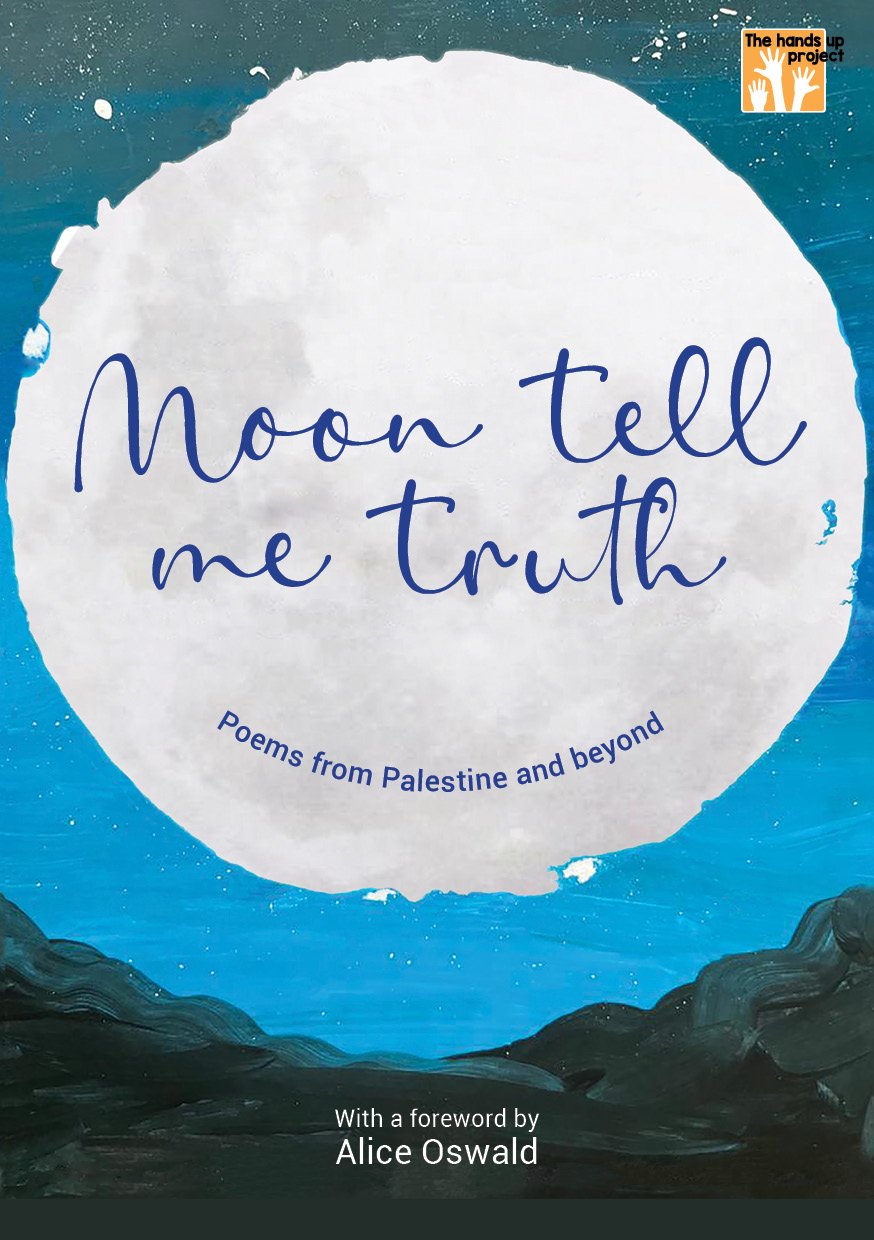
All the poems in this collection were written and illustrated by children aged 9 to 15 from Palestine, Argentina, India and Spain. They were submitted as entries for the 2023 Hands Up Project international poetry competition and read by a panel of judges composed of artists, playwrights and leading figures in the world of ELT. They are presented here in the form in which they were originally received, with a foreword by Alice Oswald, Professor of Poetry at Oxford University.
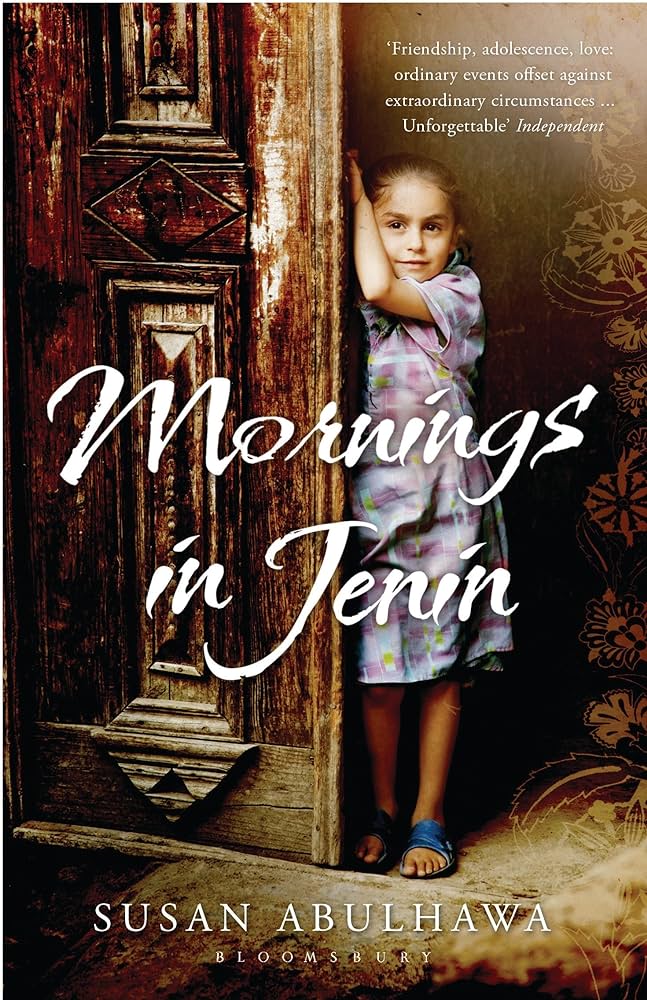
Mornings in Jenin is a devastating novel of love and loss, war and oppression, and heartbreak and hope, spanning five countries and four generations of one of the most intractable conflicts of our lifetime. Palestine, 1948. Half a million Palestinians are forced from their homes. A mother clutches her six-month-old son as Israeli soldiers march through the village of Ein Hod. In a split second, her son is snatched from her arms and the fate of the Abulheja family is changed forever. Forced into a refugee camp in Jenin and exiled from the ancient village that is their lifeblood, the family struggles to rebuild their world. Their stories unfold through the eyes of the youngest sibling, Amal, the daughter born in the camp who will eventually find herself alone in the United States; the eldest son who loses everything in the struggle for freedom; the stolen son who grows up as an Israeli, becoming an enemy soldier to his own brother.
Acclaimed worldwide as the definitive biography of the Prophet in the English language. Martin Lings' life of Muhammad is unlike any other. Based on Arabic sources of the eighth and ninth centuries, of which some important passages are translated here for the first time, it owes the freshness and directness of its approach to the words of men and women who heard Muhammad speak and witnessed the events of his life. Martin Lings has an unusual gift for narrative. He has adopted a style which is at once extremely readable and reflects both the simplicity and grandeur of the story. The result is a book which will be read with equal enjoyment by those already familiar with Muhammad's life and those coming to it for the first time. This book was given an award by the government of Pakistan, and selected as the best biography of the Prophet in English at the National Seerat Conference in Islamabad in 1983. In 1990, after the book had attracted the attention of Azhar University, the author received a decoration from president Mubarak. Martin Lings, formerly Keeper of Oriental Manuscript in the British Museum and the British Library, is the author of three works on Islamic mysticism, A Sufi Saint of the Twentieth Century, What is Sufism? and The Book of Certainty, all published by The Islamic Texts Society.
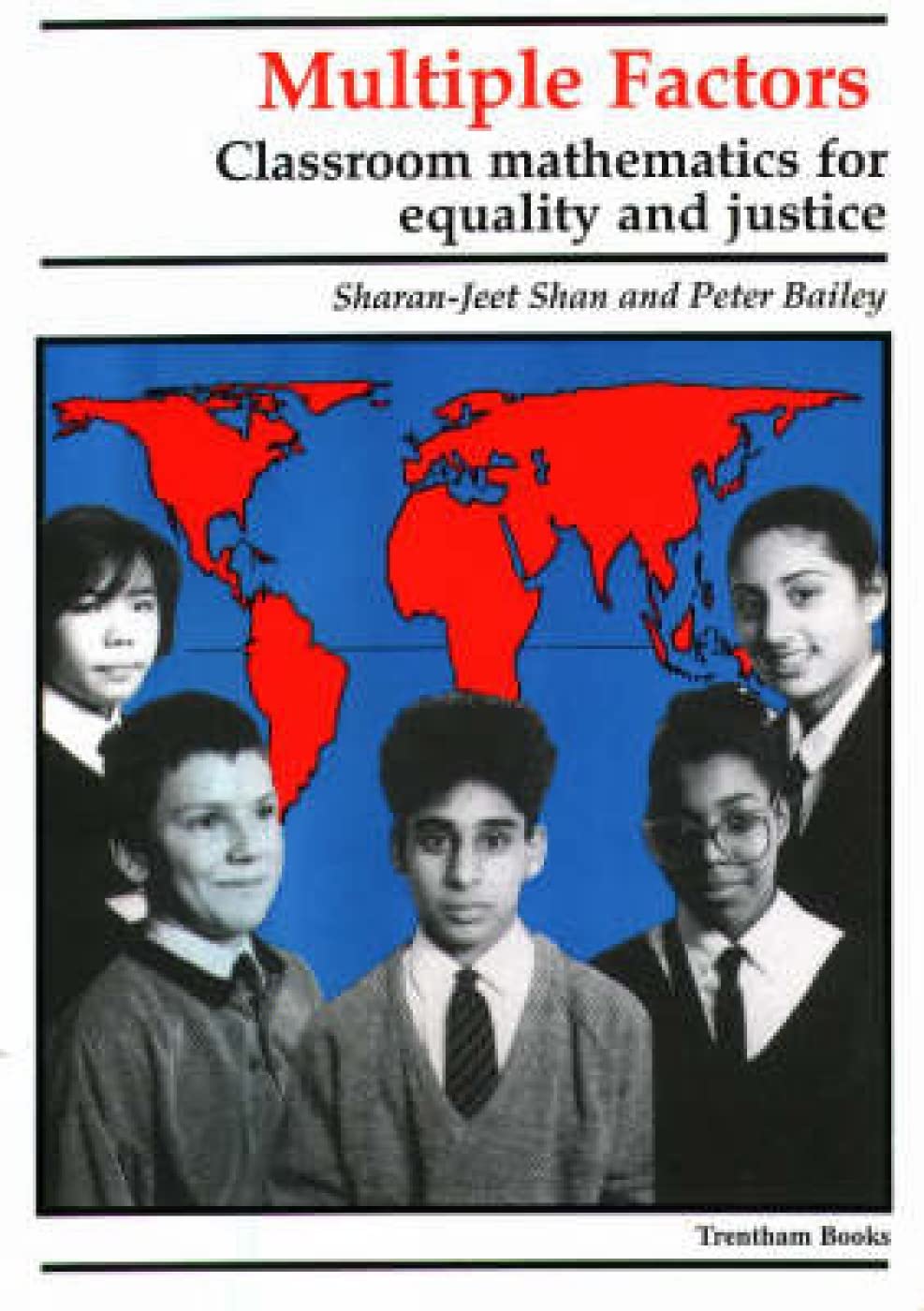
This book illustrates how current teaching methodology and school management and the bias in existing textbooks can and often does disadvantage black, working class and girl students, and how often this might be changed. The authors have gathered their mathematics from sources across the world and from a multiplicity of disciplines: from global statistics, from architectural principles and from art forms. They will keep students and their teachers fascinated, motivated and learning the mathematics that our technological age - and the national curriculum - demands. For in maths lessons the students are the Multiple Factors in the equation of the world's economy, resources and growth.