
The topic of parental involvment in children's education continues to generate great interest both personally and politically. It affects all professionals in education as well as parents and parent representatives. The case for involving parents in thier children's development and education has been established by numerous studies and many schools are committed to pursiin home-school linls.
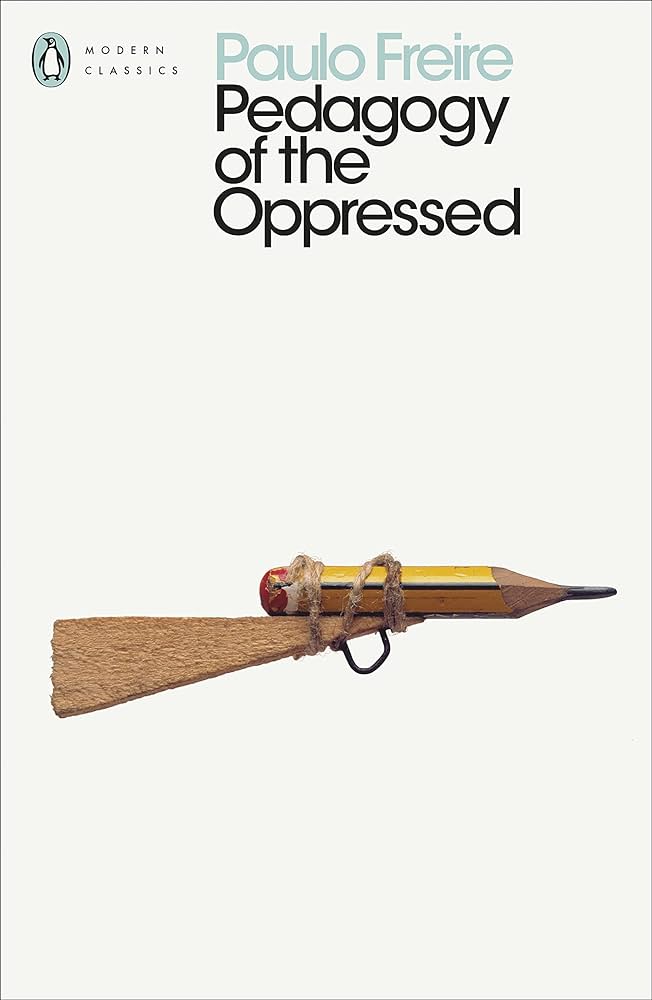
Arguing that 'education is freedom', Paulo Freire's radical international classic contends that traditional teaching styles keep the poor powerless by treating them as passive, silent recipients of knowledge. Grounded in Freire's own experience teaching impoverished and illiterate students in his native Brazil and over the world, this pioneering book instead suggests that through co-operation, dialogue and critical thinking, every human being can develop a sense of self and fulfil their right to be heard.
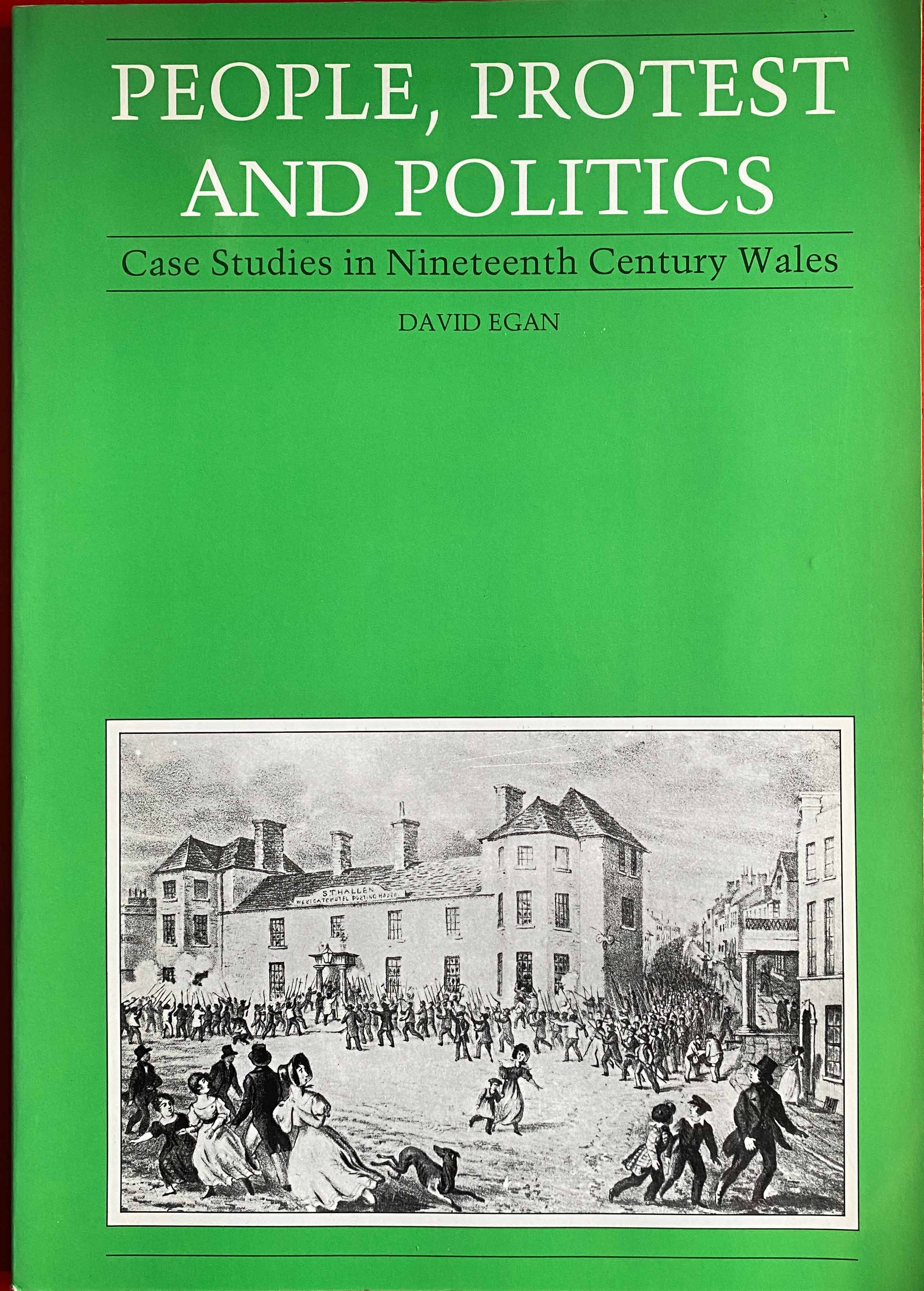
Through a combination of oral history and documented sources, the author studies examples of popular protests in nineteenth century Wales.

Pipe Dreams is a zine publication documenting shisha culture in North West London created and co-produced by Zain Dada. It tells the stories of shisha cafe owners & other Arab businesses- on their experiences of turning an industrialised area of London into a cultural hub for Arab diasporas across the UK. The zine also features an interview with Toronto-based curator, Mitra Fakhrashrafi who researched the impact of a by-law in Toronto which banned shisha in 2015.
This publication formed part of Shubbak Festival 2021 - Europe’s largest biennial festival of contemporary Arab culture. The production team consisted of British–Tunisian photographer Sana Badri, artist and filmmaker Nur Hannah Wan, writers Zain Dada and (and co-produced by) Nabil Al-Kinani, and graphic designer Walid Bouchouchi.
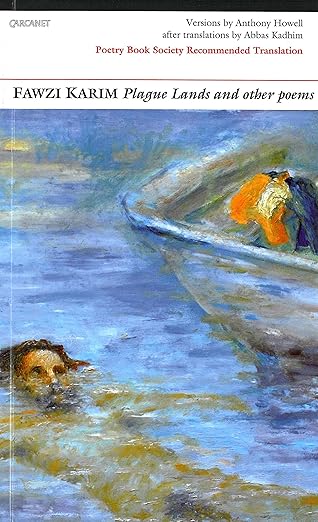
Born in Baghdad in 1945, now living in London, Fawzi Karim is one of the most compelling voices of the exiled generation of Iraqi writers. In the first collection of his poetry to appear in English, his long sequence Plague Lands' is an elegy for the life of a lost city, a chronicle of a journey into exile, haunted by the deep history of an ancient civilisation. Memories of Baghdad's smoke-filled cafés, its alleys and mulberry-shaded squares, the tang of tea, of coffee beans...arak, napthalene, damp straw mats', are recalled with painful intensity. Karim's defiant humanity, rejecting dogma and polemic, makes him a necessary poet for fractured times. Working closely with the author, the poet Anthony Howell has created versions of Plague Lands' and a selection of Karim's shorter poems. Notes on the poems, Elena Lappin's introduction and an afterword by Marius Kociejowsky exploring Karim's life, illuminate the context of the poetry.
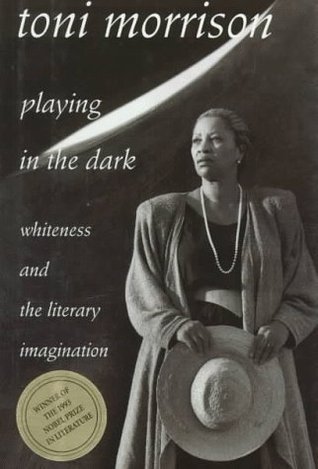
The Pulitzer Prize-winning author of Beloved and Jazz now gives us a learned, stylish, and immensely persuasive work of literary criticism that promises to change the way we read American literature even as it opens a new chapter in the American dialogue on race.
Toni Morrison's brilliant discussions of the "Africanist" presence in the fiction of Poe, Melville, Cather, and Hemingway leads to a dramatic reappraisal of the essential characteristics of our literary tradition. She shows how much the themes of freedom and individualism, manhood and innocence, depended on the existence of a black population that was manifestly unfree--and that came to serve white authors as embodiments of their own fears and desires.
Written with the artistic vision that has earned Toni Morrison a pre-eminent place in modern letters, Playing in the Dark will be avidly read by Morrison admirers as well as by students, critics, and scholars of American literature.
The Spring 2025 issue of Poetry Birmingham Literary Journal comprises over 200 pages of poems, essays, interviews, and reviews edited by Naush Sabah.
Rowland Bagnall reviews Go Figure, Kavita Bhanot on the Idea(l) of Literature, Gerry Cambridge on Anthony Hecht, Caroline Clark on the Moscow nightingale, Fred D’Aguiar on Benjamin Zephaniah and reviewing [...] and Forest of Noise, W. J. Davies interviews Peter Robinson on Roy Fisher, Julie Irigaray on Rimbaud, Gregory Leadbetter reviews Worlds Woven Together, Andrew Neilson on Roddy Lumsden, Clare Pollard on invented creatures, Camille Ralphs interviews Andrew Motion and Michael Hofmann, Jacqueline Saphra on teaching poetry, Alina Stefanescu on the republic of letters, Sarah Westcott on animal hearts, and Jeremy Wikeley reviews Come Here to This Gate.
Poems by Paul atten Ash, Khairani Barokka, Daragh Byrne, Troy Cabida, Gerry Cambridge, Sophia Rubina Charalambous, Courtney Conrad, Meredith MacLeod Davidson, Yanita Georgieva, Cathra Kelliher, Richard Lambert, Gregory Leadbetter, Angela Leighton, Dominic Leonard, Rob McClure, Andrew Hykel Mears, Alex Mepham, Benedict Newbery, Sarah O’Connor, Anita Pati, Hua Qing (translated by Liang Yujing), Tim Relf, Jake Reynolds, Paul Robert, Julie Runacres, Laura Theis, Nadira Clare Wallace, and Rich Ware.

The widely criticised Police and Criminal Evidence Bill would have given the police unprecedented new powers on the streets and in police stations. Although the Bill fell when the 1983 General Election was called, a new Bill is being reintroduced by the government. This book analyses the issues behind the Bill, and the argument that the new powers are needed not to detect crime, but to enable the police to act as a repressive mechanism of social control. The effect will be to legitimise policing by coercion.
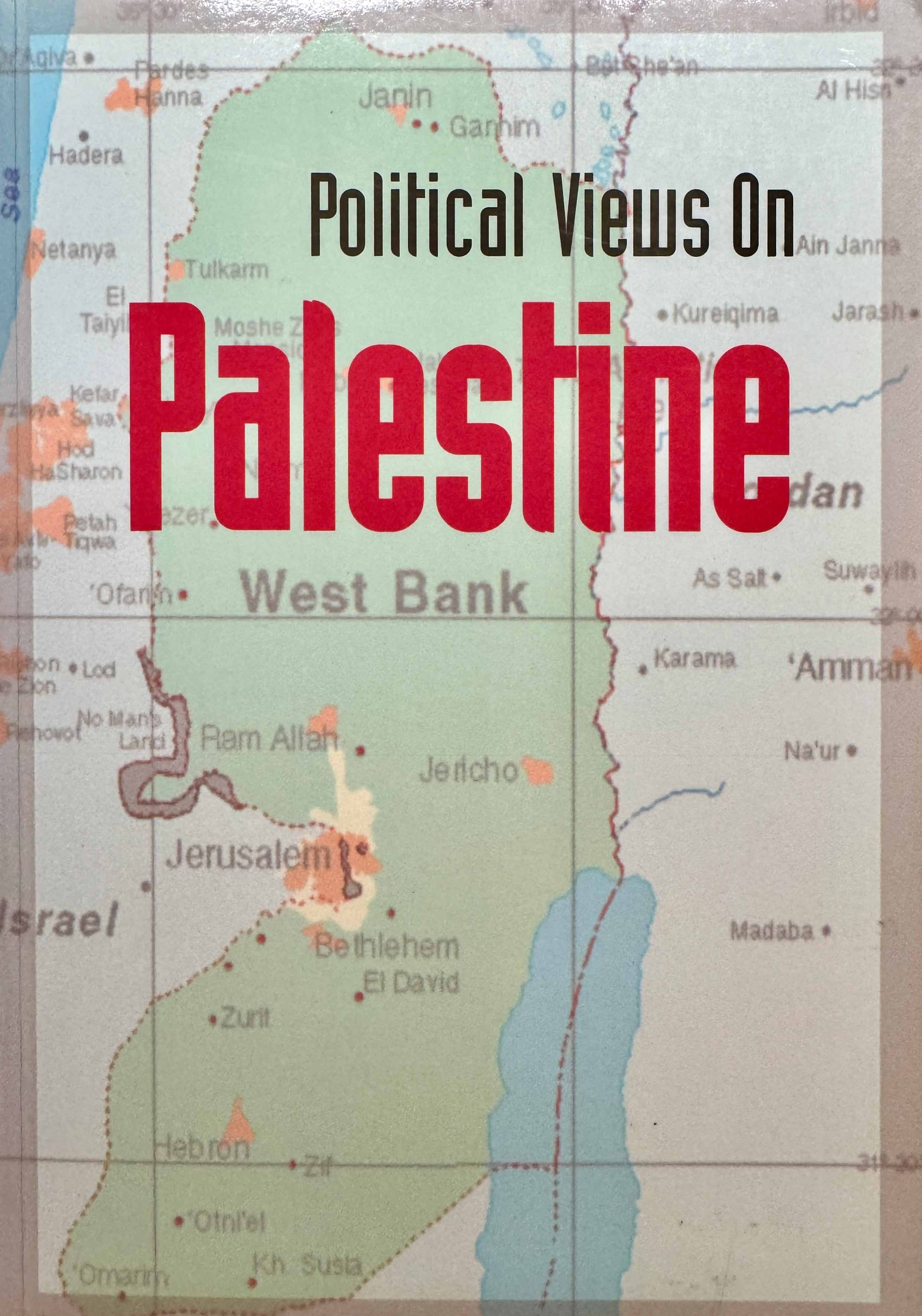
The book provides an insight into the issues related to the occupation of Palestine - the plans of the foreign powers, the role of the regimes in the Middle Eastm the origina and reality of the PLO, the viability of the Pleastinian state, and the solution from Islam.