
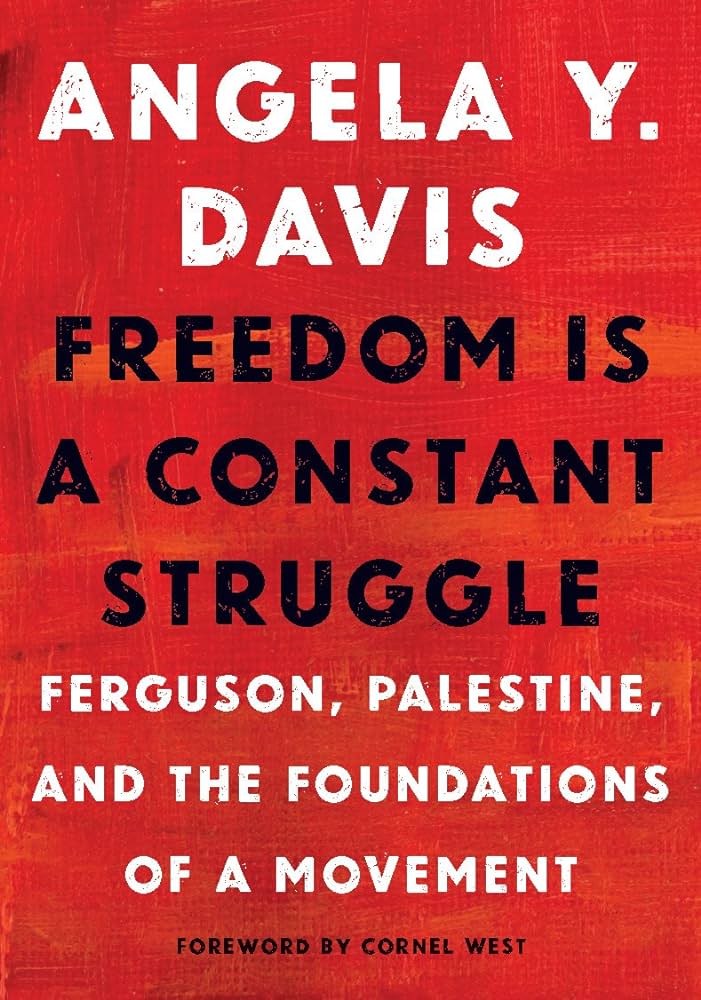
In these newly collected essays, interviews and speeches, world-renowned activist and scholar Angela Y. Davis illuminates the connections between struggles against state violence and oppression throughout history and around the world. Reflecting on the importance of black feminism, intersectionality and prison abolitionism for today's struggles, Davis discusses the legacies of previous liberation struggles, from the Black Freedom Movement to the South African anti-Apartheid movement. She highlights connections and analyses today's struggles against state terror, from Ferguson to Palestine. Facing a world of outrageous injustice, Davis challenges us to imagine and build the movement for human liberation. And in doing so, she reminds us that 'Freedom is a constant struggle.'
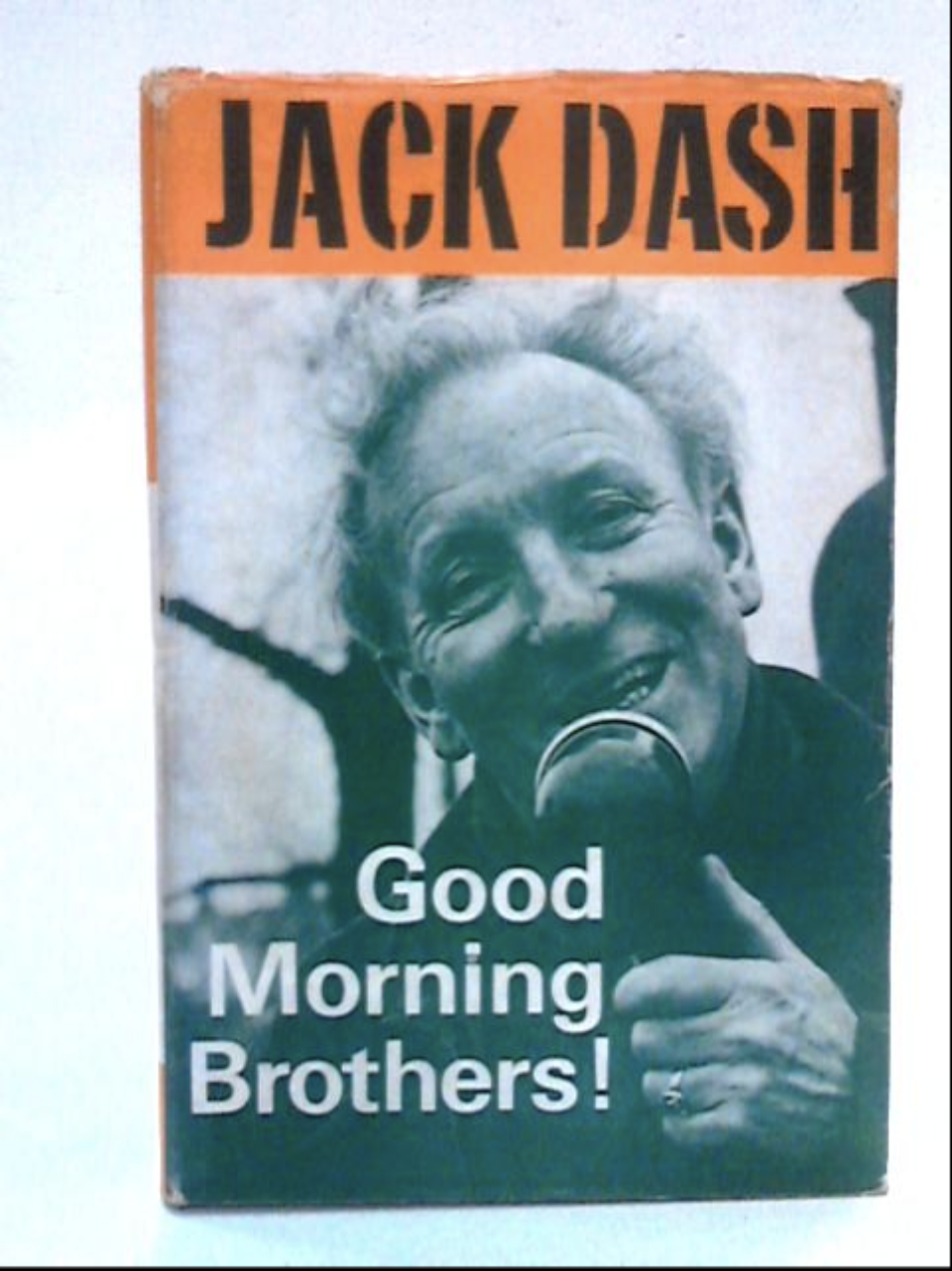
Autobiography of a docker and trade union leader in the UK covering the period from the 1930s to 1968 - comprises an historical account of labour relations, trade union leadership, workers representation and collective bargaining in the port of london, and the struggle for improvement in working conditions, wages, hours of work, occupational safety, etc., together with descriptions of various strikes, unofficial strikes and lockouts.
Noam Chomsky, the world's foremost intellectual activist, presents an irrefutable analysis of America's pursuit of total domination and the catastrophic consequences that are sure to follow.
From the funding of repressive regimes to the current 'war on terror', from the toppling of governments opposing its beliefs to the invasion of Iraq, America pursues its global strategy no matter what the cost. With the rigour and insight that have made him our most important unraveller of accredited lies, Noam Chomsky reveals the truth and the true motives behind America's quest for dominance - and seeks also to show how the world may yet step back from the brink.
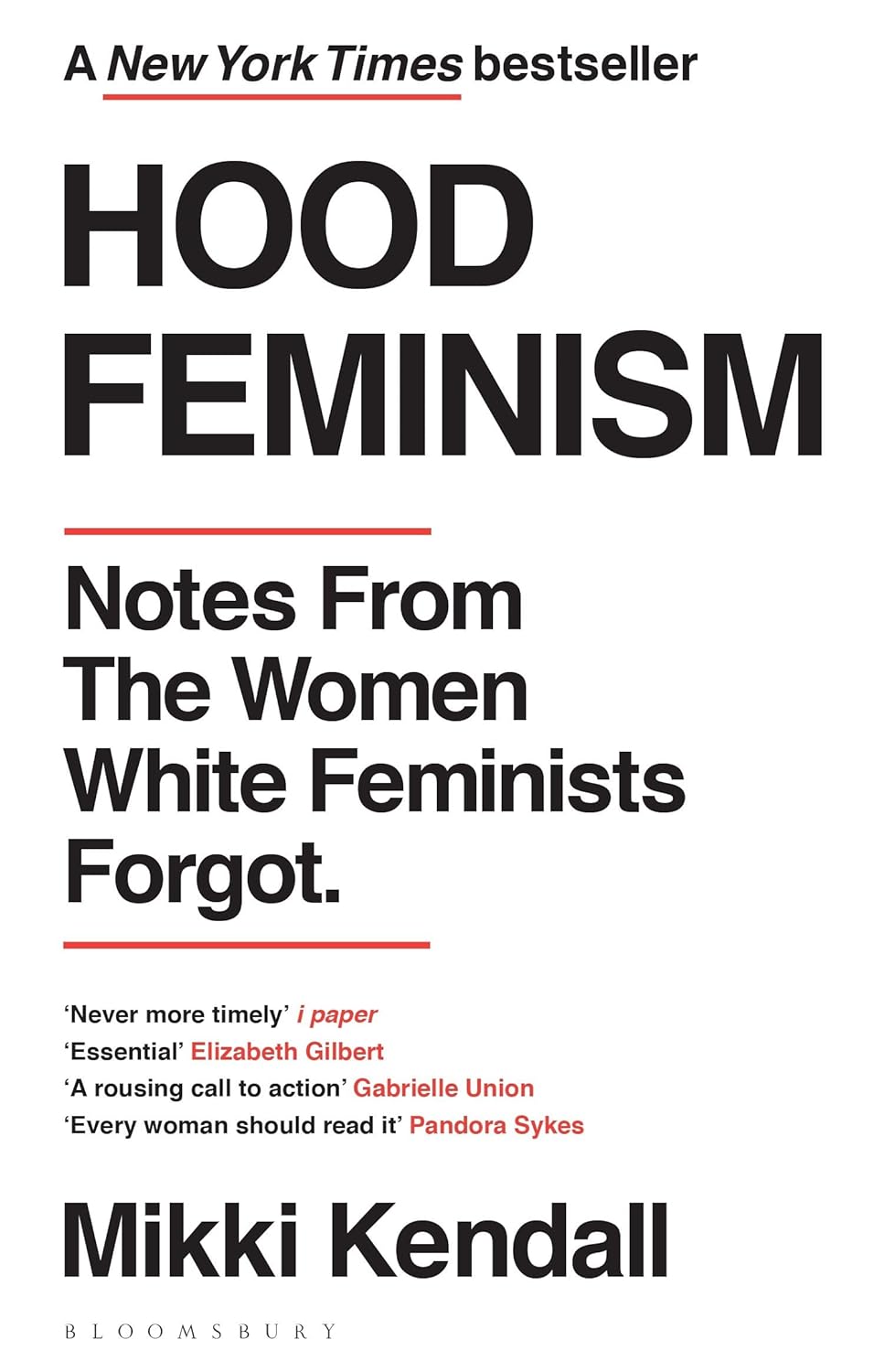
All too often the focus of mainstream feminism is not on basic survival for the many, but on increasing privilege for the few.
Meeting basic needs is a feminist issue. Food insecurity, the living wage and access to education are feminist issues. The fight against racism, ableism and transmisogyny are all feminist issues.
White feminists often fail to see how race, class, sexual orientation and disability intersect with gender. How can feminists stand in solidarity as a movement when there is a distinct likelihood that some women are oppressing others?
Insightful, incendiary and ultimately hopeful, Hood Feminism is both an irrefutable indictment of a movement in flux and also clear-eyed assessment of how to save it.
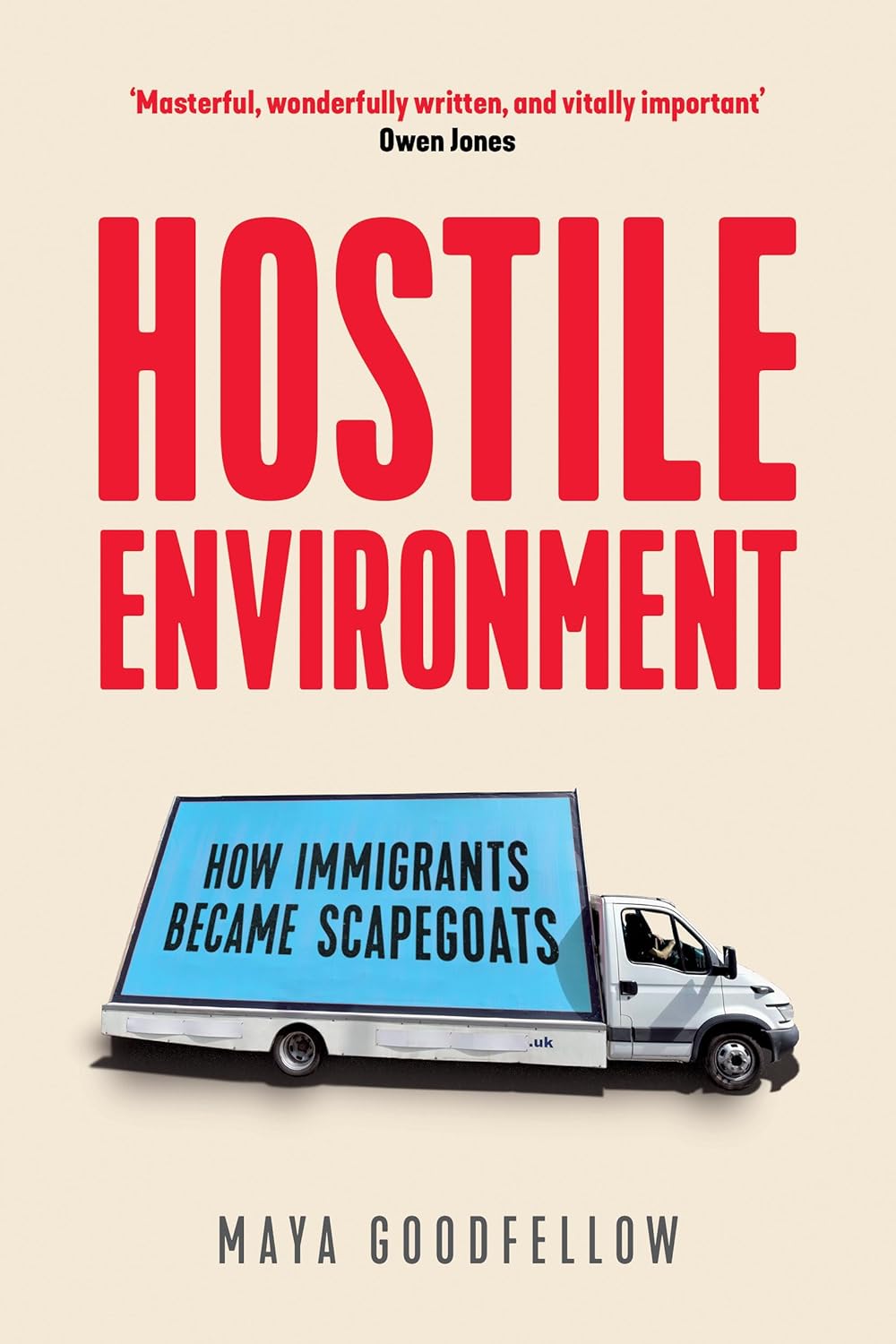
The UK government proudly calls the aim of its immigration policy to be the creation of a "hostile environment," while refugees drown in the Mediterranean and Britain votes to leave the EU against claims that "swarms"of migrants are entering Britain. Meanwhile, study after study confirms that immigration is not damaging the UK's economy, nor putting a strain on public services, but immigration is blamed for all of Britain's ills. Yet concerns about immigration are deemed "legitimate" across the political spectrum, with few exceptions. How did we get here?
Maya Goodfellow offers a compelling answer. Through interviews with leading policy-makers, asylum seekers, and immigration lawyers, Goodfellow illuminates the dark underbelly of contemporary immigration policies. A nuanced analysis of the UK's immigration policy from the 1960s onwards, Hostile Environment links immigration policy and the rhetoric of both Labour and Tory governments to the UK's colonial past and its imperialist present. Goodfellow shows that distinct forms of racism and dehumanisation directly resulted from immigration policy, and reminds us of the human cost of concessions to anti-immigration politics.
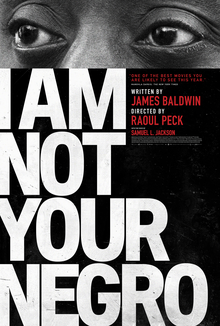
In 1979, James Baldwin wrote a letter to his literary agent describing his next project, "Remember This House." The book was to be a revolutionary, personal account of the lives and assassinations of three of his close friends: Medgar Evers, Malcolm X and Martin Luther King, Jr. At the time of Baldwin's death in 1987, he left behind only 30 completed pages of this manuscript. Filmmaker Raoul Peck envisions the book James Baldwin never finished.
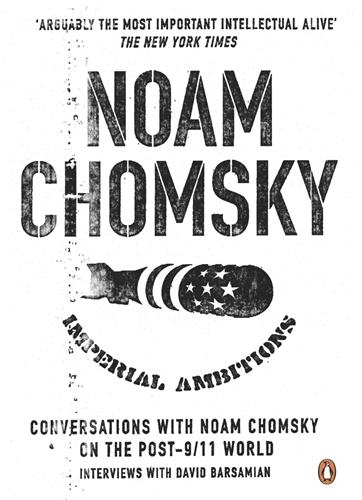
In this important collection of interviews with the acclaimed radio journalist David Barsamian, Noam Chomsky discusses U.S. foreign policy in the post-9/11 world.
Barsamian has a unique rapport with Chomsky - having conducted more interviews and radio broadcasts with him than any other journalist - and here explores topics Chomsky has never before discussed: the 2004 presidential campaign and election; the future of Social Security; the increasing threat of global warming; and new dangers presented by the United States' ever-deepening entanglement in Iraq.
The result is an illuminating dialogue with one of the world's leading thinkers - and a startling picture of the turbulent world in which we live.
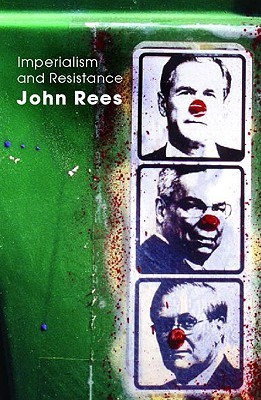
A unique critique of the new economic and military imperialism of the United States and its allies in the twenty-first century.
Inspired by the anti-globalization and anti-war movements, in which the author himself has played a crucial role, this is also an accessible introduction to the huge changes in global politics since the dominance of the American Empire with the end of the Cold War. It covers the key areas of:
the nature of the new imperialism the economic power of the US globalization and inequality wars in the post Cold War era oil and empire resisting the new imperialism. This lively, provocative and practical book is an essential guide to the politics of the new world order, which also offers constructive suggestions on how the global resistance movement should develop. It is important new reading for activists, students and all those wanting to understand and challenge the new imperialism.
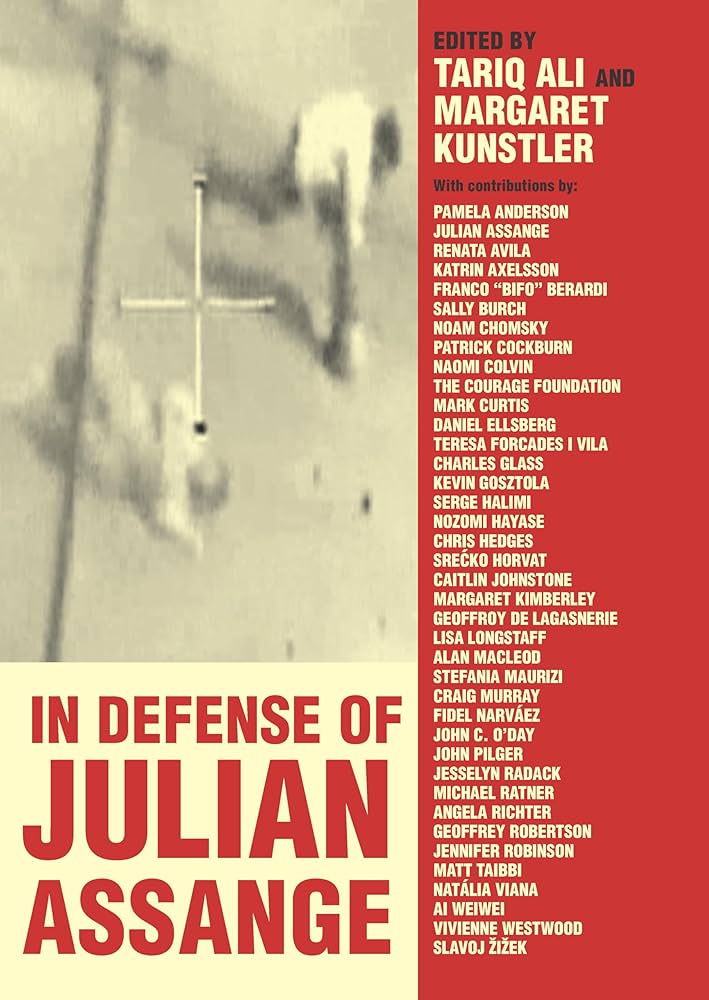
After being forcibly removed from the Ecuadorian Embassy, Julian Assange is now in a high security prison in London where he faces extradition to the United States and imprisonment for the rest of his life.
The charges Assange faces are a major threat to press freedom. James Goodale, who represented the New York Times in the Pentagon Papers case, commented: “The charge against Assange for ‘conspiring’ with a source is the most dangerous I can think of with respect to the First Amendment in all my years representing media organizations”.
It is critical now to build support for Assange and prevent his delivery into the hands of the Trump administration. That is the urgent purpose of this book. A wide range of distinguished contributors, many of them in original pieces, here set out the story of Julian Assange and WikiLeaks, the importance of their work, and the dangers for us all in the persecution they face. In Defense of Julian Assange is a vivid, vital intervention into one of the most important political issues of our day.