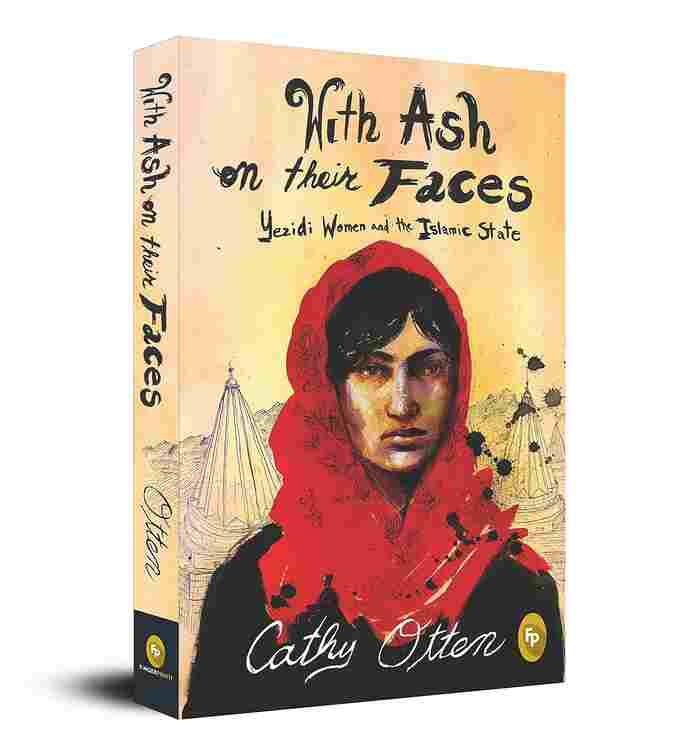
ISIS’s genocidal attack on the Yezidi population in northern Iraq in 2014 brought the world’s attention to the small faith that numbers less than one million worldwide. That summer ISIS massacred Yezidi men and enslaved women and children. More than one hundred thousand Yezidis were besieged on Sinjar Mountain. The US began airstrikes to roll back ISIS, citing a duty to save the Yezidis, but the genocide is still ongoing. The headlines have moved on but thousands of Yezidi women and children remain in captivity, and many more are still displaced. Sinjar is now free from ISIS but the Yezidi homeland is at the centre of growing tensions amongst the city’s liberators, making returning home for the Yezidis almost impossible. The mass abduction of Yezidi women and children is here conveyed with extraordinary intensity in the first-hand reporting of a young journalist who has been based in Iraqi Kurdistan for the past four years, covering the war with ISIS and its impact on the people of the country. Otten tells the story of the ISIS attacks, the mass enslavements of Yezidi women and the fallout from the disaster. She challenges common perceptions of Yezidi female victimhood by focusing on stories of resistance passed down by generations. Yezidi women describe how, in the recent conflict, they followed the tradition of their ancestors who, a century ago during persecutions at the fall of the Ottoman empire, put ash on their faces to make themselves unattractive and try to avoid being raped. Today, over 3,000 Yezidi women and girls remain in the Caliphate where they are bought and sold, and passed between fighters as chattel. But many other have escaped or been released. Otten bases her book on interviews with these survivors, as well as those who smuggled them to safety, painstakingly piecing together their accounts of enslavement. Their deeply moving personal narratives bring alive a human tragedy.
Alaa Abd el-Fattah is arguably the most high-profile political prisoner in Egypt, if not the Arab world, rising to international prominence during the revolution of 2011. A fiercely independent thinker who fuses politics and technology in powerful prose, an activist whose ideas represent a global generation which has only known struggle against a failing system, a public intellectual with the rare courage to offer personal, painful honesty, Alaa’s written voice came to symbolize much of what was fresh, inspiring and revolutionary about the uprisings that have defined the last decade. Collected here for the first time in English are a selection of his essays, social media posts and interviews from 2011 until the present. He has spent the majority of those years in prison, where many of these pieces were written. Together, they present not only a unique account from the frontline of a decade of global upheaval, but a catalogue of ideas about other futures those upheavals could yet reveal. From theories on technology and history to profound reflections on the meaning of prison, You Have Not Yet Been Defeated is a book about the importance of ideas, whatever their cost.
Your Party sees leading figures make the case for Britain’s major new political project, laying out the challenges ahead and how to surmount them. Oliver Eagleton interviews Zarah Sultana MP; Leanne Mohamad, who came within 500 votes of unseating Labour’s Wes Streeting at the last general election; Stop the War co-founder Andrew Murray; Our Bloc author James Schneider; Andrew Feinstein, who took on Keir Starmer in Holborn and St Pancras in 2024; and former Corbyn speechwriter Alex Nunns.
Delineated in these pages is a left-wing programme opposed to austerity, inequality and war, an agenda fit to oppose both authoritarian centrists and the hard right. The discussion addresses the need to balance parliamentary politics with social movements, short-term aims with long-term ambitions, and centralised structures with grassroots participation.
In his introduction, Eagleton lays bare the abject failure of Starmer’s Labour government, explaining why a new socialist party is not only possible but urgently needed. Over 750,000 people have registered to support Your Party. This book is essential reading on the new insurgent force at Westminster and beyond.
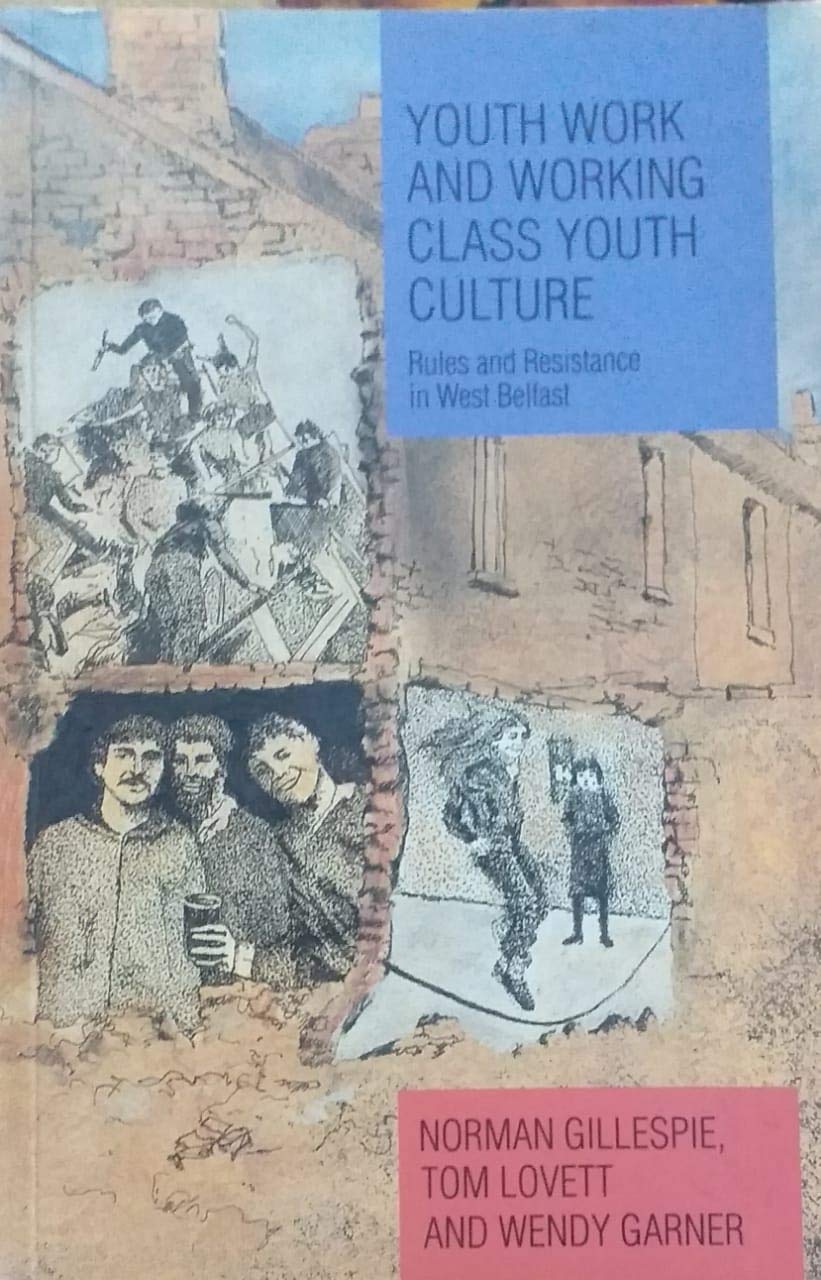
This volume examines the youth service and the values, attitudes, culture and needs of working class youth in Northern Ireland. It explores why some young people participate in youth clubs and others do not; how patterns of participation differ by gender, class and religion; how young people use their leisure time if they are not involved with youth clubs (and whether youth clubs could meet their needs). It concentrates on young people's views, exploring the tensions and contradictions of working class youth culture.
We've been told for years that the capitalist free market is a self-correcting perpetual growth machine in which sellers always find buyers, precluding any major crisis in the system. Then the credit crunch of August 2007 turned into the great crash of September–October 2008, leading one apologist for the system, Willem Buiter, to write of "the end of capitalism as we knew it."
As the crisis unfolded, the world witnessed the way in which the runaway speculation of the "shadow" banking system wreaked havoc on world markets, leaving real human devastation in its wake. Faced with the financial crisis, some economic commentators began to talk of "zombie banks"–financial institutions that were in an "undead state" and incapable of fulfilling any positive function but a threat to everything else. What they do not realize is that twenty-first century capitalism as a whole is a zombie system, seemingly dead when it comes to achieving human goals.