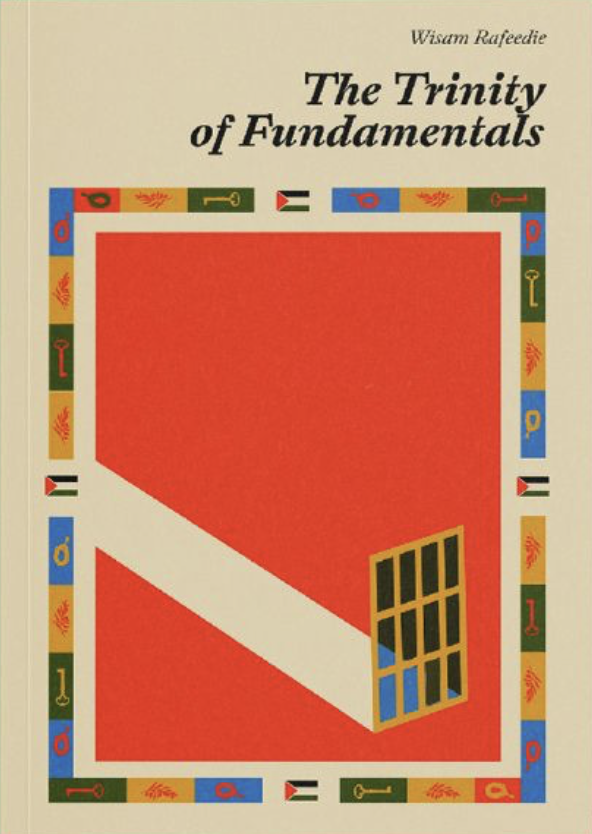
On the occasion of Palestinian Prisoners’ Day, the Palestinian Youth Movement’s (PYM) Popular University Committee is thrilled to announce the English translation and publication of Wisam Rafeedie’s The Trinity of Fundamentals. Written in 1993 during Rafeedie’s time in Zionist prison and confiscated by prison guards, the novel was smuggled out by Wisam’s comrades, and soon after became a significant text for the Palestinian prisoner’s movement.
The Trinity of Fundamentals follows the story of 22-year-old Kan’an during his nine years of hiding from the occupation between 1982 and 1991. Driven by an unshakable commitment to the Palestinian cause, Kan’an takes the reader through his compelling journey filled with sacrifice and struggle, love and pain, isolation and liberation. All the while, major political and historical transformations unfold across international, regional and local contexts, including the First Intifada. Throughout all this, Kan’an maintains a spirit of revolutionary optimism so strong that the reader is bound to be transformed. It is all the more moving to know that Kan’an’s story is inspired by the real life experience of Rafeedie as he organized and struggled against the Zionist oppression of his people.
Love, revolution, and life—these are the “Trinity of Fundamentals'' that pave Kan’an’s path of struggle. Although the novel is set in the past, it holds many lessons that resonate with our current political moment, mobilizing us into collective action.
Part autobiography, part anti-colonial history, originally published in 1966 Cheddi Jagan's The West on Trial: My Fight for Guyana's Freedom chronicles Dutch, French, and British rivalry for social, political, and economic control of Guyana, as well as the fight for self-determination and independence from colonial rule.Chronicled in these illuminating pages is life on the sugar plantations; the painful experience of caste hierarchy and racism; the devastation of World War; peace, colonialism, and the struggle for independence from imperialism. Subtly and concisely, Jagan outlines the corporate and economic interests involved in attempting to perpetuate colonial subjugation in British Guiana. Larger in scope than Jagan's Forbidden Freedom (also available from International Publishers), The West on Trial provides important historical context that enables readers to grasp the pivotal post-World War II period of anti-colonial, national liberation movements and the role of British and U.S. imperialism throughout the 1950s and 1960s in destabilizing democratically elected popular governments. For students of decolonization, the Cold War, and the struggle for independence, Cheddi Jagan's The West on Trial: My Fight for Guyana's Freedom is required reading.
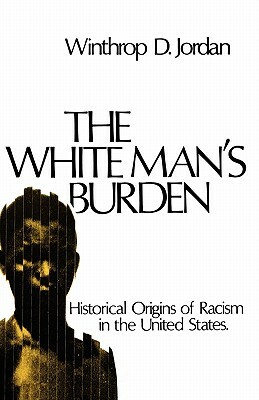
An abridgement of the acclaimed White Over Black, which won both the National Book Award and a Bancroft Prize. This study attempts to answer a simple question: What were the attitudes of white men toward Negroes during the first two centuries of European and African settlement in what became the United States of America?
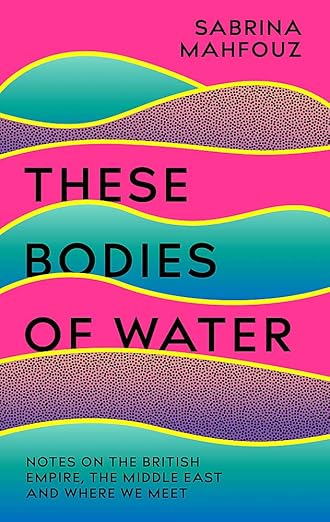
'Sabrina Mahfouz is a tidal wave of truth swallowing the banks of empire with a torrent of information which will not be damned' Lemn Sissay
'A bold, brave look at the ways imperialism affects us all, from the universally political to the insightfully intimate' Riz Ahmed
'Impossible to put down while you're reading, and impossible to forget about when you've finished' Glamour
Are you not made of Suez silt?
How do we know you won't
shore our boats
by making yourself bigger
than we made you?
Sabrina Mahfouz once sat in a Whitehall interview room and was interrogated about everything from her political leanings to her private life. It was ostensibly a job interview, but implicit in their demands was the unspoken question: as a woman of Middle Eastern heritage, could she really be trusted?
Years later, Sabrina found herself confronting the meaning behind this interrogation, and how it was specifically informed by the British Empire's historical dominance in the Middle East. THESE BODIES OF WATER investigates this history through the Middle Eastern coastlines and waterways that were so vital to the Empire's hold. Interwoven with her own personal experiences, Sabrina combines history, politics, myth and poetry in a devastating examination of this unacknowledged part of Britain's colonial past.
Part history, part polemic and part intimate memoir, THESE BODIES OF WATER is a tapestry of writing that tells the story of Britain's relationship with the Middle East in the most revealing terms.
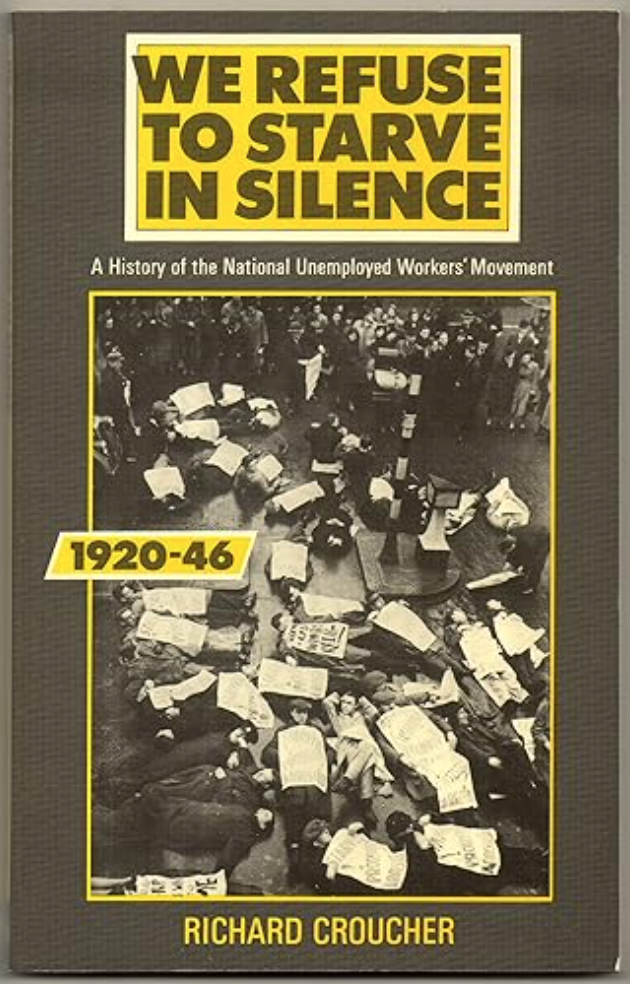
Mass unemployment between the wars produced one of the most imaginative and combative oranisations in British working-class history, the National Unemployed Workers' Movement. This is the first overall history of the NUWM, and traces its previously unrecorded final years as well as making clear the movement's impressive achievements and enduring legacy.
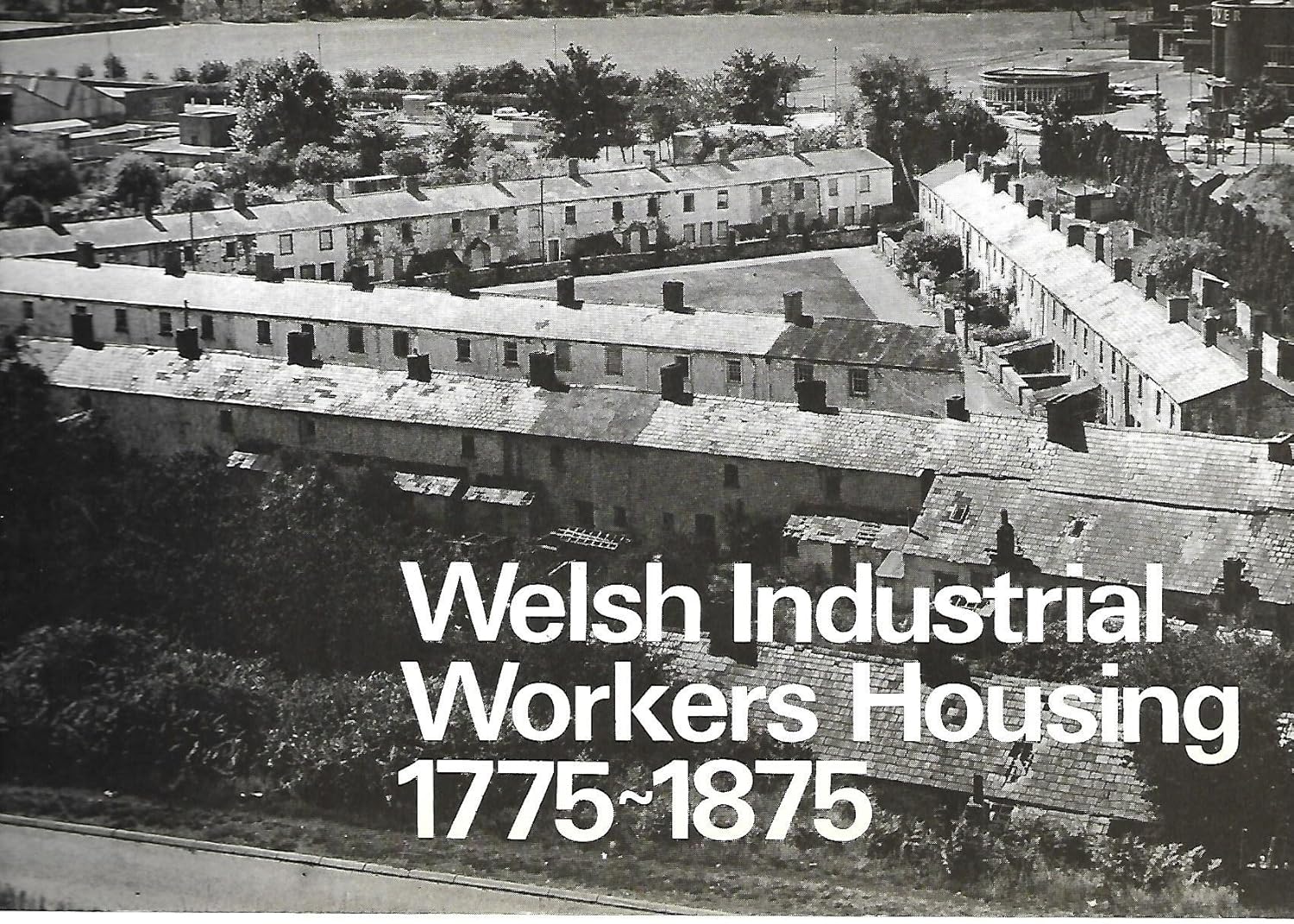
This booklet illustrates buildings which until recently were thought to be just a commonplace background to everyday life. It is not a history of industrial housing in Wales - that has yet to be written - but it does try to link the variety of house form which can (or rather, could) be seen in our towns with the conditions of life experienced by our ancestors. After this introduction, there are five sections in the booklet, each dealing with one aspect of the development of house design.
In "What Is to Be Done?", Lenin argues that the working class will not spontaneously become political simply by fighting economic battles with employers over wages, working hours and the like. To convert the working class to Marxism, Lenin insists that Marxists should form a political party, or "vanguard", of dedicated revolutionaries to spread Marxist political ideas among the workers. The pamphlet partly precipitated the split of the Russian Social Democratic Labor Party (RSDLP) between Lenin's Bolsheviks and the Mensheviks and is perhaps the hallmark of Leninism.