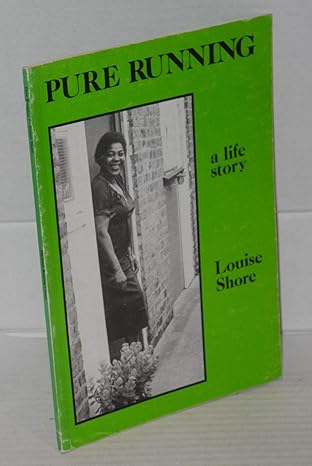
Reminiscences of a Jamaican woman, born in the 1930's, who emigrated to London in th 1960's.
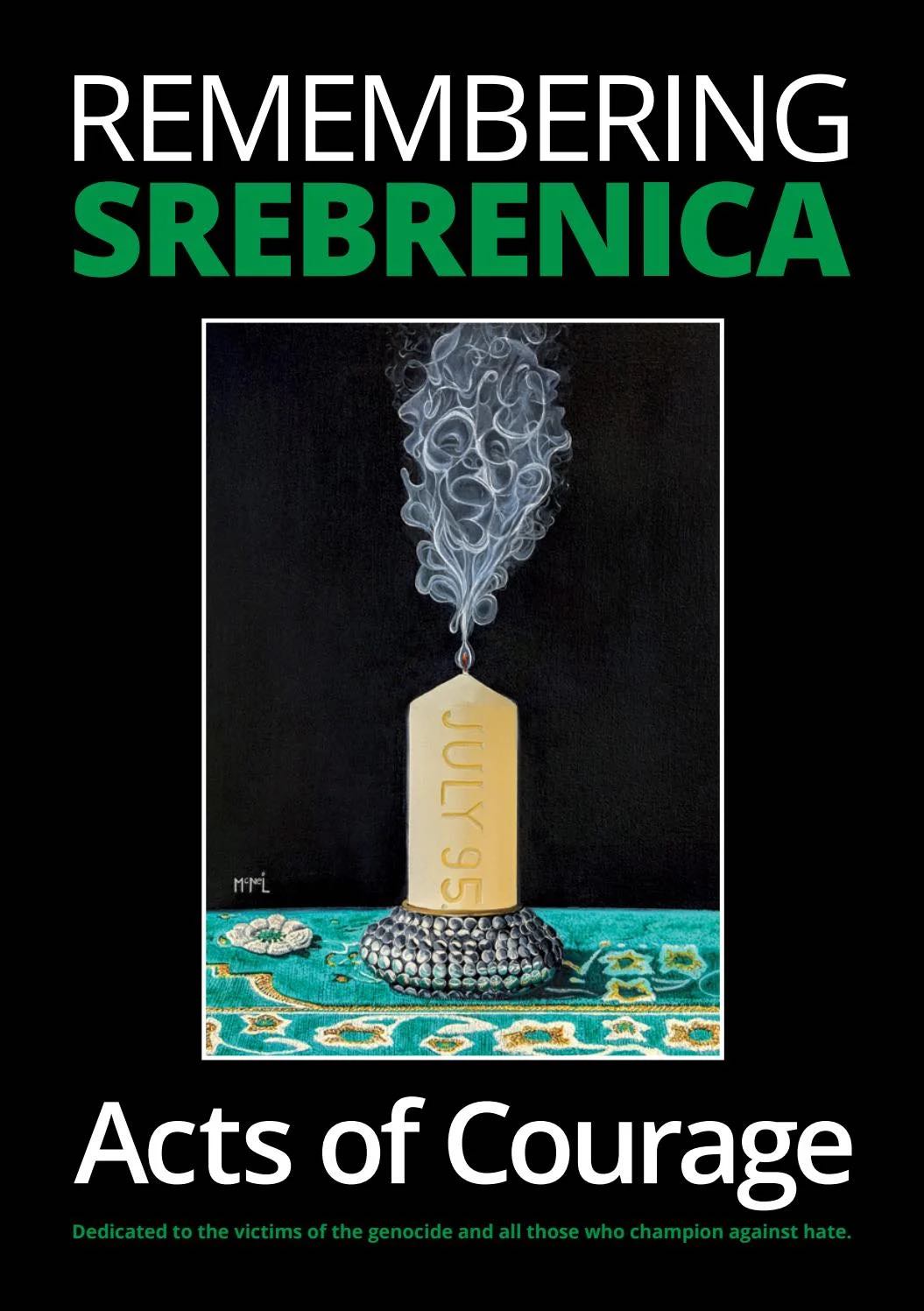
This publication has voices of support from leading international figures; short histories of the conflict (survivors share the road to genocide); the stories behind the statistics.
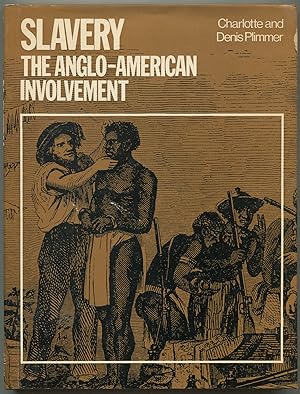
Slavery: The Anglo-American Involvement is less a traditional history book than a documentary in the radio or television sense. Relying entirely on contemporary records and manuscripts, the authors have created a vivid and readable narrative describing the slave trade which lasted almost 400 years and involved ten white nations and hundreds of black tribal rulers. This book concentrates on the roles played by the English and the Americans
This work has been selected by scholars as being culturally important and is part of the knowledge base of civilization as we know it.
This work is in the public domain in the United States of America, and possibly other nations. Within the United States, you may freely copy and distribute this work, as no entity (individual or corporate) has a copyright on the body of the work.
Scholars believe, and we concur, that this work is important enough to be preserved, reproduced, and made generally available to the public. To ensure a quality reading experience, this work has been proofread and republished using a format that seamlessly blends the original graphical elements with text in an easy-to-read typeface.
We appreciate your support of the preservation process, and thank you for being an important part of keeping this knowledge alive and relevant.
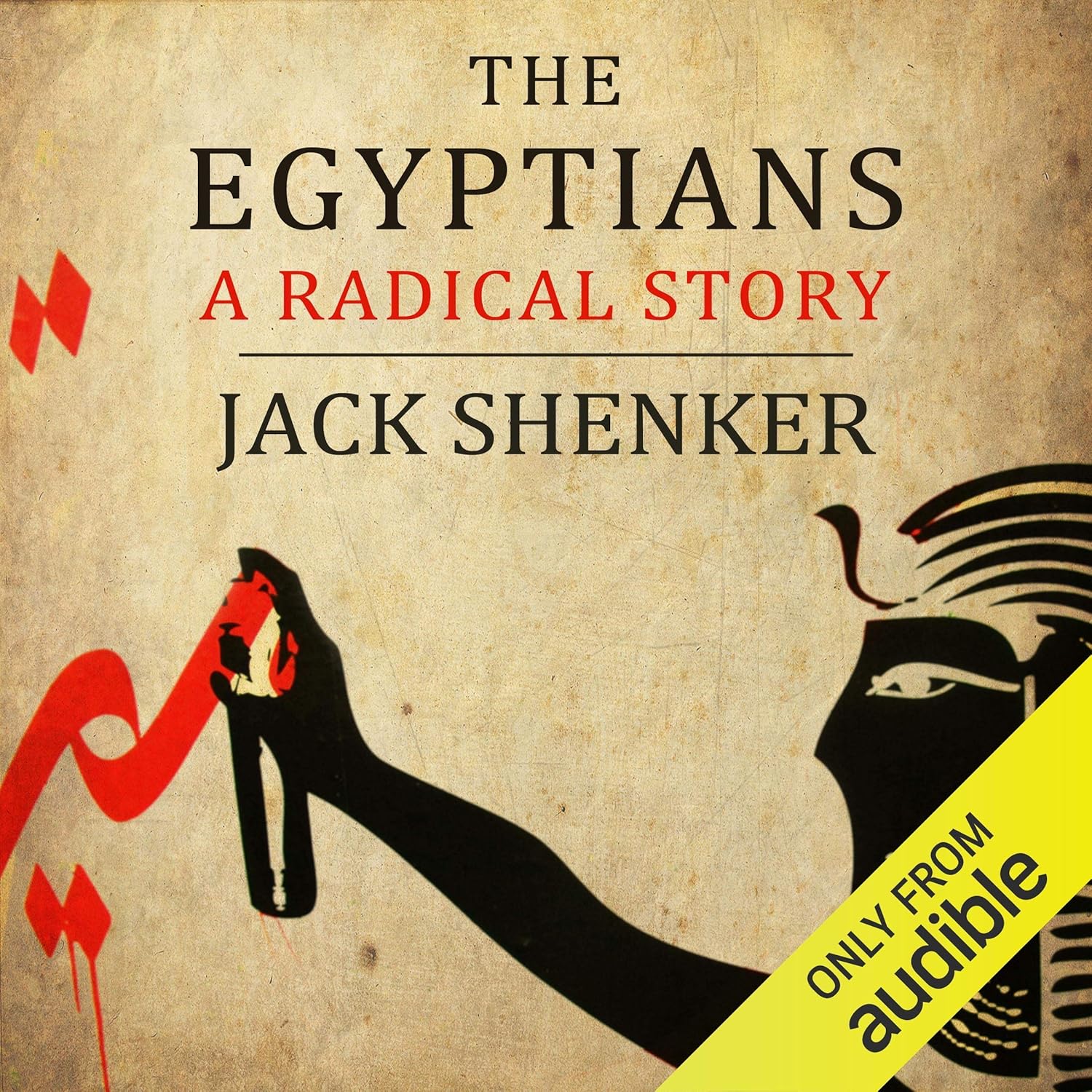
In early 2011 Cairo's Tahrir Square briefly commanded the attention of the world. Half a decade later, the international media has largely moved on from Egypt's explosive cycles of revolution and counter-revolution - but the Arab world's most populous nation remains as volatile as ever, its turmoil intimately bound up with forms of authoritarian power and grassroots resistance that stretch right across the globe.
In The Egyptians: A Radical Story, Jack Shenker uncovers the roots of the uprising that succeeded in toppling Hosni Mubarak, one of the Middle East's most entrenched dictators, and explores a country now divided between two irreconcilable political orders.
Challenging conventional analyses that depict contemporary Egypt as a battle between Islamists and secular forces, The Egyptians illuminates other far more important fault lines: the far-flung communities waging war against transnational corporations, the men and women fighting to subvert long-established gender norms, the workers dramatically seizing control of their own factories, and the cultural producers (novelists, graffiti artists and illicit bedroom DJs) appropriating public space in defiance of their repressive and increasingly violent Western-backed regime.
Situating the Egyptian revolution in its proper context - not as an isolated event but as an ongoing popular struggle against a certain model of state authority and economic exclusion that is replicated in different forms around the world - The Egyptians explains why the events of the past five years have proved so threatening to elites both inside Egypt and abroad.
As Egypt's rulers seek to eliminate all forms of dissent, seeded within the rebellious politics of Egypt's young generation are big ideas about democracy, sovereignty, social justice and resistance that could yet change the world.
Jack Shenker is a journalist based in London and Cairo whose reporting has spanned the globe. Formerly Egypt correspondent for The Guardian, his coverage of the Egyptian revolution received multiple prizes. In 2012 his investigation into the deaths of African migrants in the Mediterranean was named news story of the year at the prestigious One World media awards.
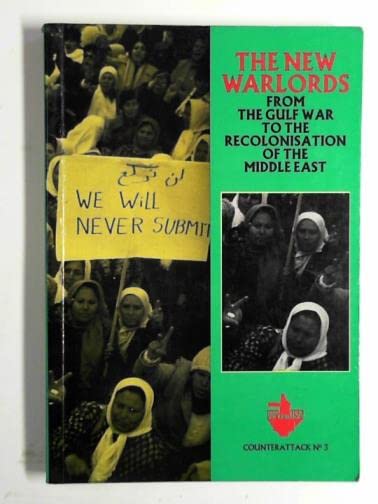
The New Warlords is a collection of articles from the newspaper Fight Racism! Fight Imperialism! and brings together a concise and complete history of the conflicts in Iraq, Kurdistan and Palestine. The book follows not only the involvment of the apparently warring states i.e. Palestine and Iraq, but also charts the interference from the British Labour governemts of particular years.
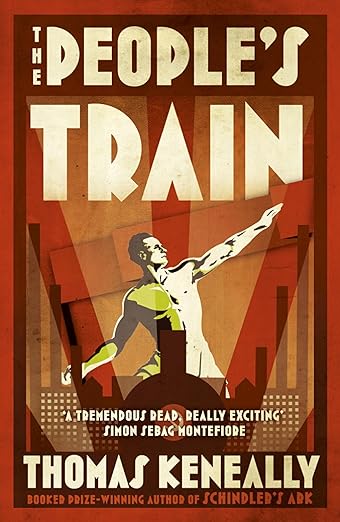
Artem Samsurov, a protégé of Lenin, makes an extraordinary escape from Tsarist Russia to reach sanctuary in Australia, but soon discovers that repression and injustice exist there too. Though distracted by an infatuation with a beautiful female lawyer, he throws himself back into the socialist cause, only to be imprisoned, then accused of murdering an informer. But he never loses his belief that the revolution will come - and in 1917, he returns to Russia alongside an Australian journalist to fight for it.
Based on a true story, Keneally's enthralling novel takes us to the heart of the Russian Revolution through the dramatic exploits of one inspiring man. Once again, he illuminates a seismic period of history from an intimate, unusual perspective as he captures the ideals and passions behind a movement that changed the world.
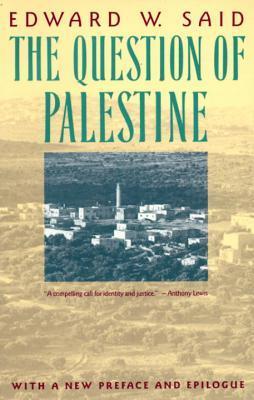
This original and deeply provocative book was the first to make Palestine the subject of a serious debate—one that remains as critical as ever. With the rigorous scholarship he brought to his influential Orientalism and an exile's passion (he is Palestinian by birth and has been a member of the Palestine National Council), Edward W. Said traces the fatal collision between two peoples in the Middle East and its repercussions in the lives of both the occupier and the occupied—as well as in the conscience of the West. He has now updated this landmark work to portray the changed status of Palestine and its people in light of such developments as the Israeli invasion of Lebanon, the intifada, the Gulf War, and the ongoing Middle East peace initiative.
For anyone interested in this region and its future, The Question of Palestine remains the most useful and authoritative account available.