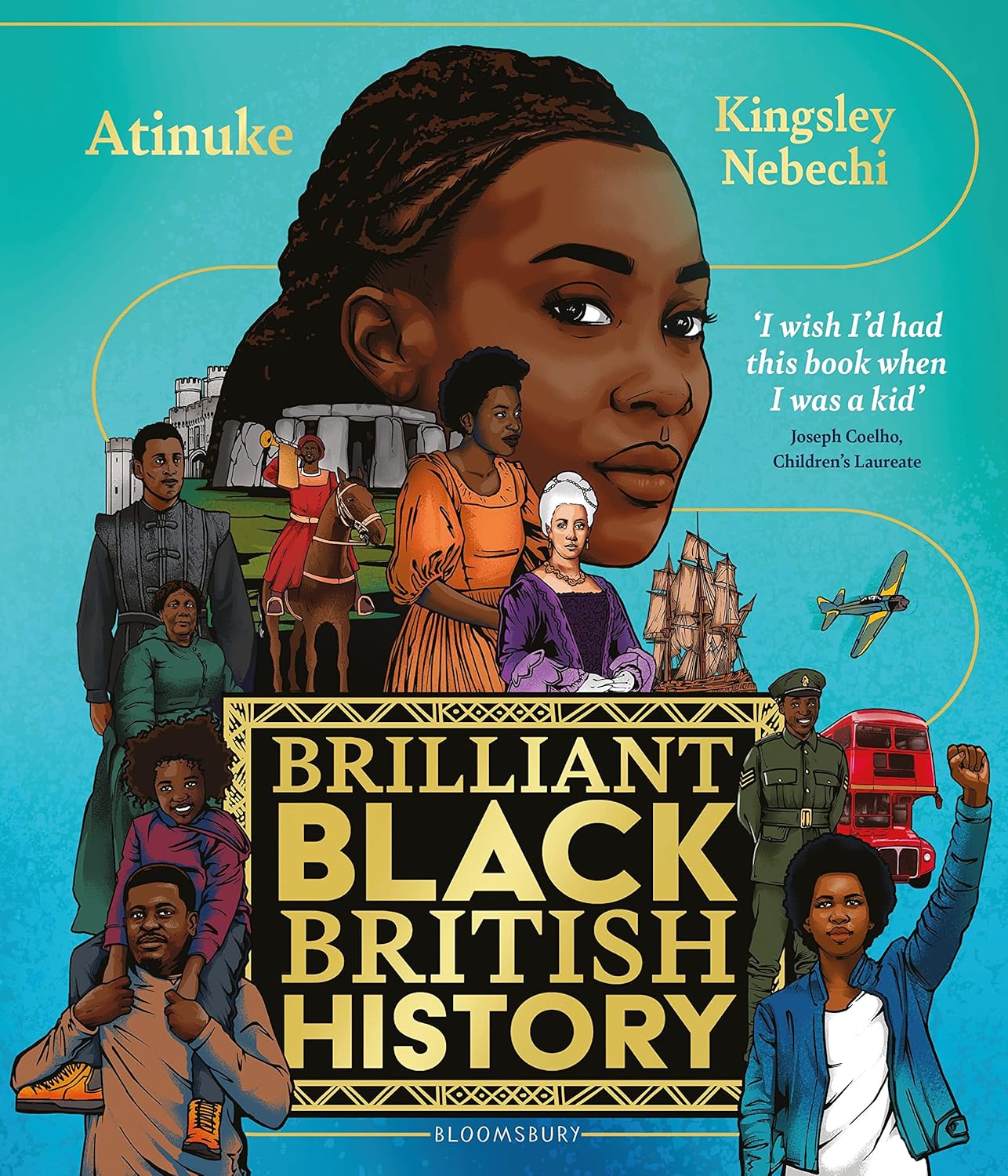
An eye-opening story of Britain, focusing on a part of our past that has mostly been left out of the history books: the brilliant Black history of England, Scotland, Wales and Ireland.
Did you know that the first Britons were Black? Or that some of the Roman soldiers who invaded and ruled Britain were Black, too? Join this fascinating journey through the ages to meet those first Britons, as well as the Black Tudors, Georgians and Victorians who existed in every walk of life here. The incredible journey through time is brought to life through Atinuke's fascinating storytelling and illustrated scenes, detailed maps, and timelines created by illustrator Kingsley Nebechi.
From science and sport to literature and law, celebrate the brilliant Black people who have helped build Britain. Learn about key and complex historical topics such as the world wars, slavery, the industrial revolution, Windrush and the Black Lives Matter movement. This fascinating book will change everything you thought you knew about our green-grey British isles.
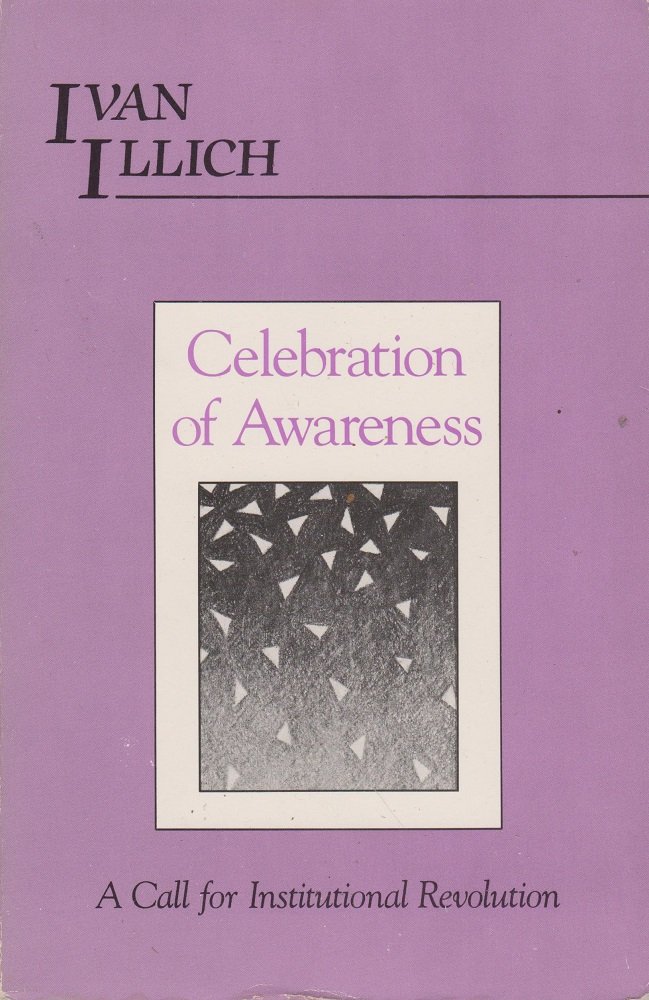
As a formidable critic of some of society's most cherished institutions, such as compulsory education and organised religion, Ivan Illich has attracted world attention. His commitment to a radical humanism against conventional institutions and esatablished ideas of social virtue make for compelling, and convincing, reading. This book brings together for the first time many of his lectures and articles bearing out Illich's invigorating challanges to the status quo.
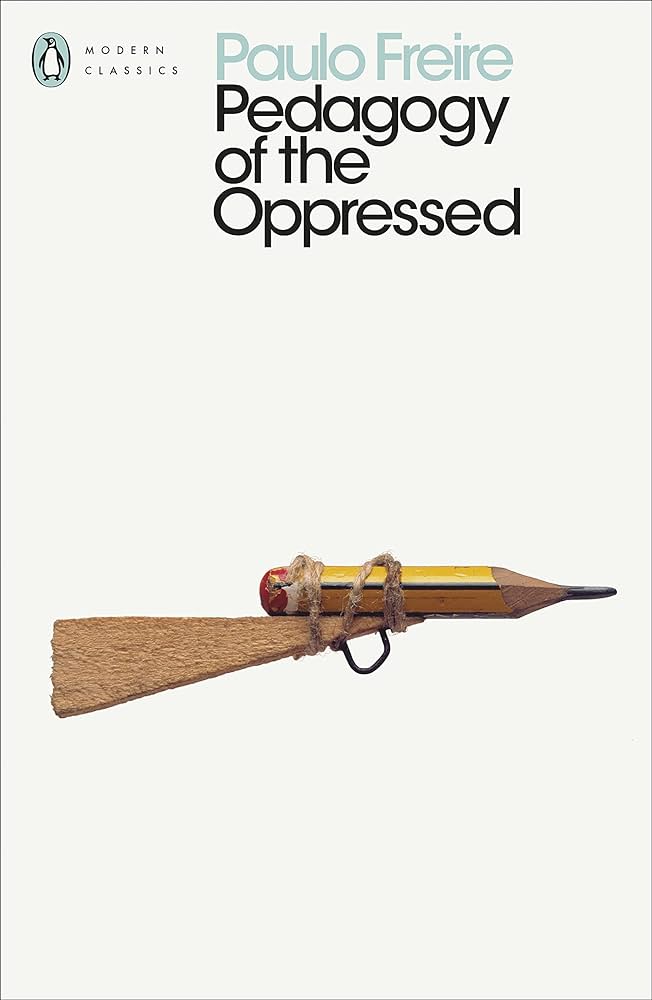
Arguing that 'education is freedom', Paulo Freire's radical international classic contends that traditional teaching styles keep the poor powerless by treating them as passive, silent recipients of knowledge. Grounded in Freire's own experience teaching impoverished and illiterate students in his native Brazil and over the world, this pioneering book instead suggests that through co-operation, dialogue and critical thinking, every human being can develop a sense of self and fulfil their right to be heard.
Teaching For People Who Prefer Not To Teach is a manual that fits in your pocket. “It’s a messy collection of ideas: contributions our friends and colleagues sent us, our own learning experiences and rumours we heard. You might ask yourself who this manual is for. Is it for teachers? Is it for students? Is it only relevant for teaching art? The answer is: Yes and No. We don’t know. Probably both. As self-employed artists, we have become used to performing our services anywhere, for anybody who books us. One day we might be doing a happy crafty afternoon in a primary school, the next day a post-graduate seminar on exhibition-making, the day after we’re making soup for the reading group we organised. And our methodologies need to work in all of these contexts”
In democratic education, the learners as a group have the power to make some, most, or even all of these decisions since power is shared and not appropriated in advance by a minority.
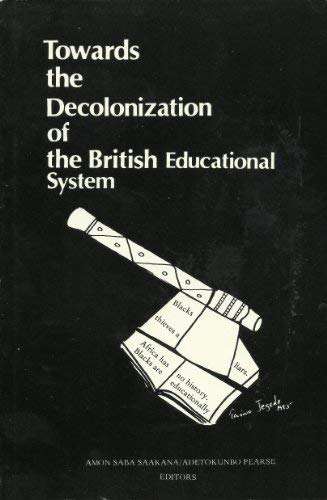
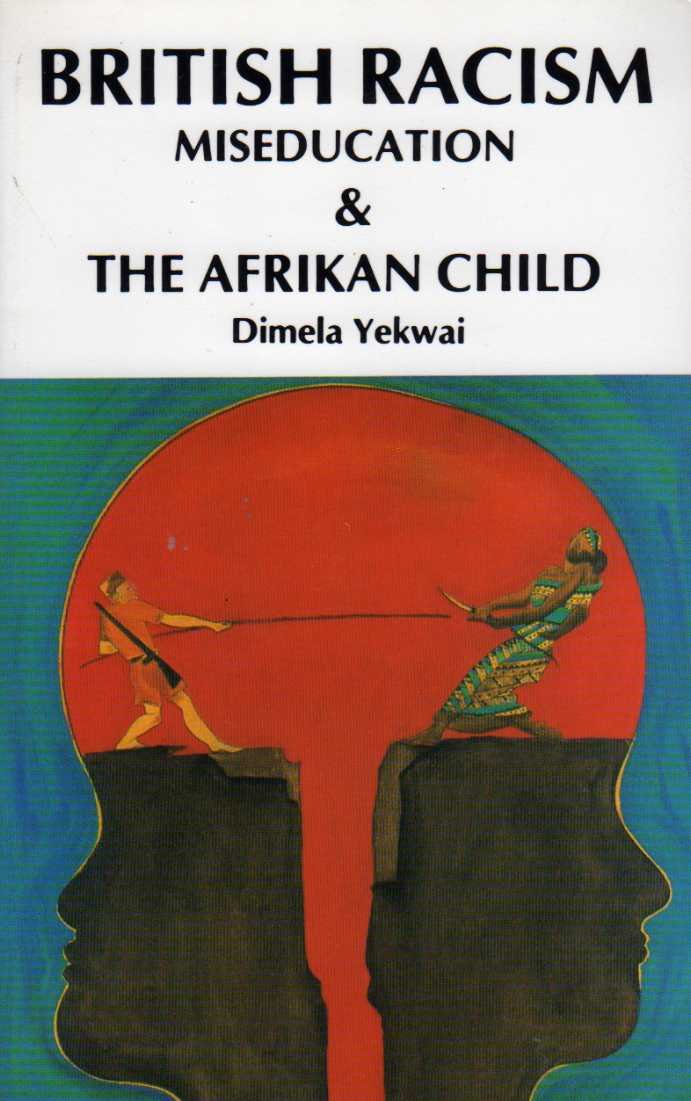
‘Towards the Decolonization of the British Educational System is an attempt to reflect the pressing issues surrounding the educational and emotional survival of black students, both citizens and expatriate in Britain through an educational system based on the falsification and distortions of history which occurred during the colonial era of the past .’
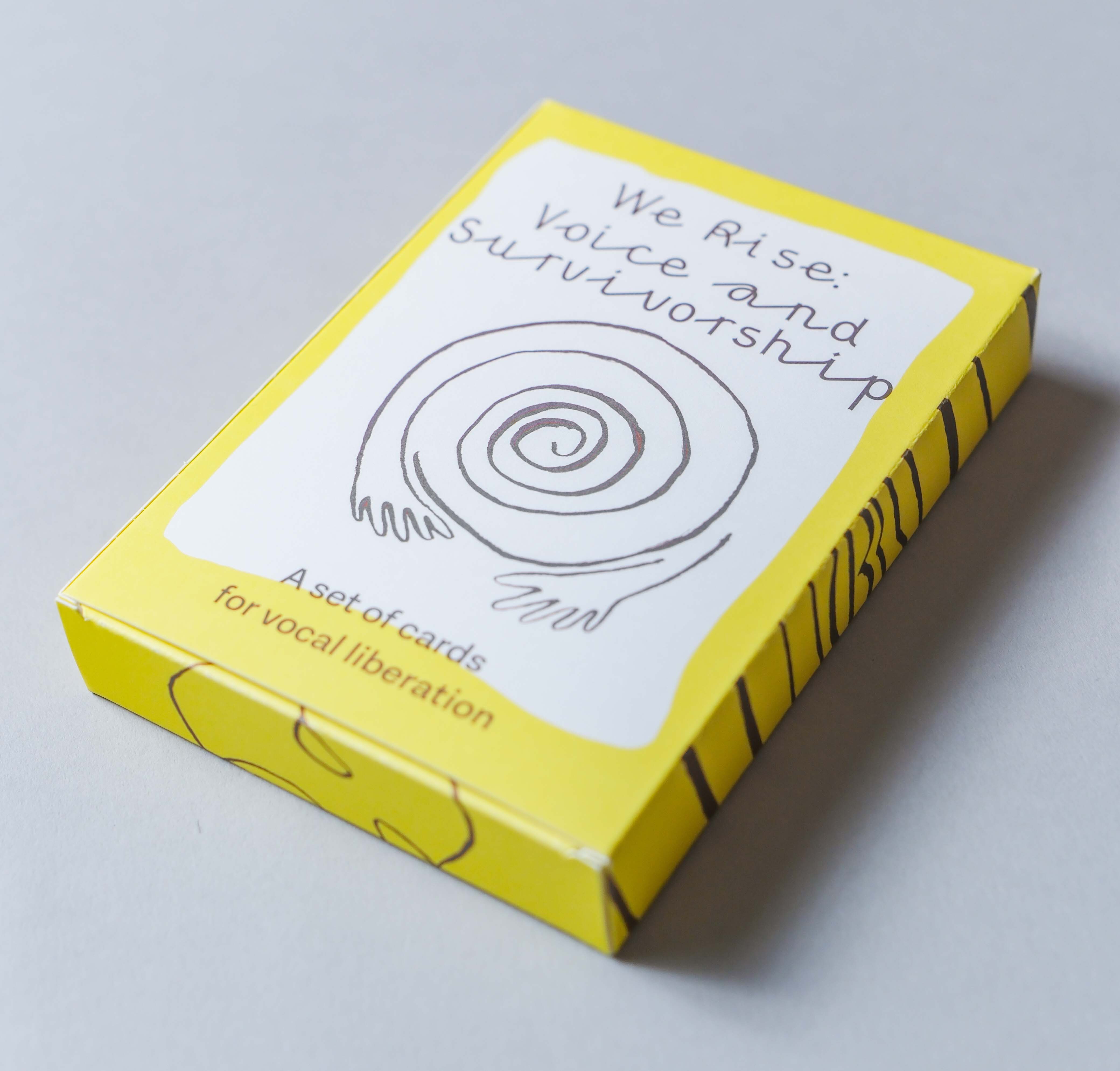
We Rise: Voice and Survivorship began as a series of workshops led by vocal practitioner Marged Siôn in collaboration with We Rise Hub in the London Borough of Barking and Dagenham.
The project explores the possibilities of Voice as an embodiment practice to support women and non-binary people, who have experienced or are experiencing domestic abuse and gender-based violence. Through different exercises, we connected with our breath, resonance, body alignment, and imagination, as resources for vocal liberation.
Below are some of the questions that emerged from the project:
- How do we speak from our hearts?
- When is telling our stories healing and transformative?And when is it re-traumatising? And how can we create capacity within ourselves to know the difference?
- How can voicing and sounding together enable us to find strength in collectivity?
- How can working with the voice lead to personal and social transformation?
Following a two year collaborative process, we decided to create a free resource to share our experiences and exercises with other survivors, organisers, and practitioners, who are working towards futures free from intimate, interpersonal and state violence.
We Rise resource image:
We Rise: Voice and Survivorship resource. Commissioned by Serpentine Civic in collaboration with We Rise Domestic Abuse Hub. Photo: Matthew Ritson
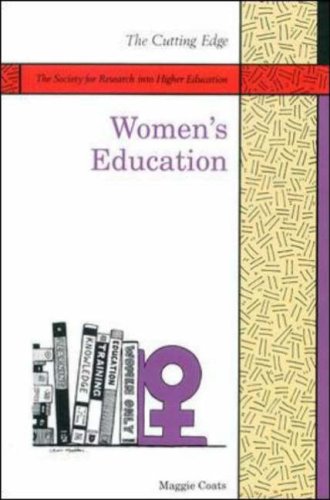
This work is about women's education; it is not about education for women. "Women's education" is education which is possessed or owned by women, is provided by women for women, is designed for and about women, and focuses on the needs of women.