
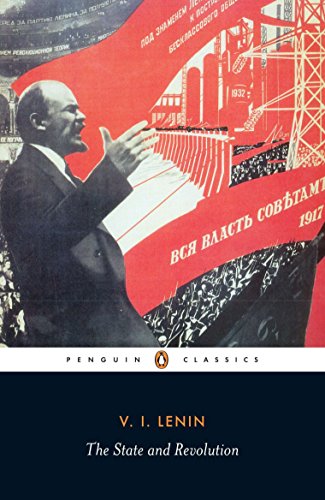
The State and the Revolution: The Marxist Doctrine of the State and the Tasks of the Proletariat in the Revolution (1917) is a book by Vladimir Lenin describing the role of the state in society, the necessity of proletarian revolution, and the theoretic inadequacies of social democracy in achieving revolution to establish the dictatorship of the proletariat.
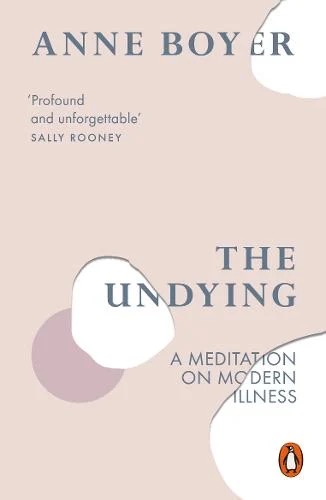
Blending memoir with critique, an award-winning poet and essayist's devastating exploration of sickness and health, cancer and the cancer industry, in the modern world
A week after her 41st birthday, Anne Boyer was diagnosed with highly aggressive triple-negative breast cancer. For a single mother living payslip to payslip, the condition was both a crisis and an initiation into new ideas about mortality and the gendered politics of illness.
In The Undying - at once her harrowing memoir of survival, and a 21st-century Illness as Metaphor - Boyer draws on sources from ancient Roman dream diarists to cancer vloggers to explore the experience of illness. She investigates the quackeries, casualties and ecological costs of cancer under capitalism, and dives into the long line of women writing about their own illnesses and deaths, among them Audre Lorde, Kathy Acker and Susan Sontag.
Genre-bending, devastating and profoundly humane, The Undying is an unmissably insightful meditation on cancer, the cancer industry and the sicknesses and glories of contemporary life.

An abridgement of the acclaimed White Over Black, which won both the National Book Award and a Bancroft Prize. This study attempts to answer a simple question: What were the attitudes of white men toward Negroes during the first two centuries of European and African settlement in what became the United States of America?
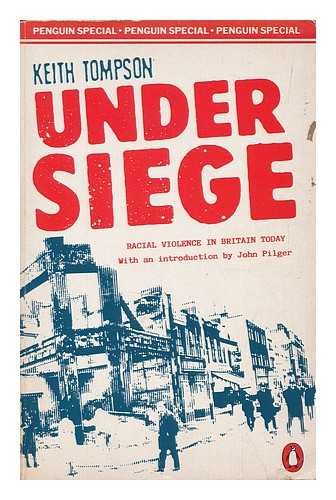
Under Siege charts the period between 1945 and 1988 when British immigration policy shifted from an open-door policy, welcoming immigrants, to the 1981 Nationality Act when over 200 million former citizens were deemed to be non-citizens, It examines the street level consequences of policy debate in which all parties represented anti-immigrant points of view.
In "What Is to Be Done?", Lenin argues that the working class will not spontaneously become political simply by fighting economic battles with employers over wages, working hours and the like. To convert the working class to Marxism, Lenin insists that Marxists should form a political party, or "vanguard", of dedicated revolutionaries to spread Marxist political ideas among the workers. The pamphlet partly precipitated the split of the Russian Social Democratic Labor Party (RSDLP) between Lenin's Bolsheviks and the Mensheviks and is perhaps the hallmark of Leninism.

The book that sparked a national conversation. Exploring everything from eradicated black history to the inextricable link between class and race, Why I'm No Longer Talking to White People About Race is the essential handbook for anyone who wants to understand race relations in Britain today.
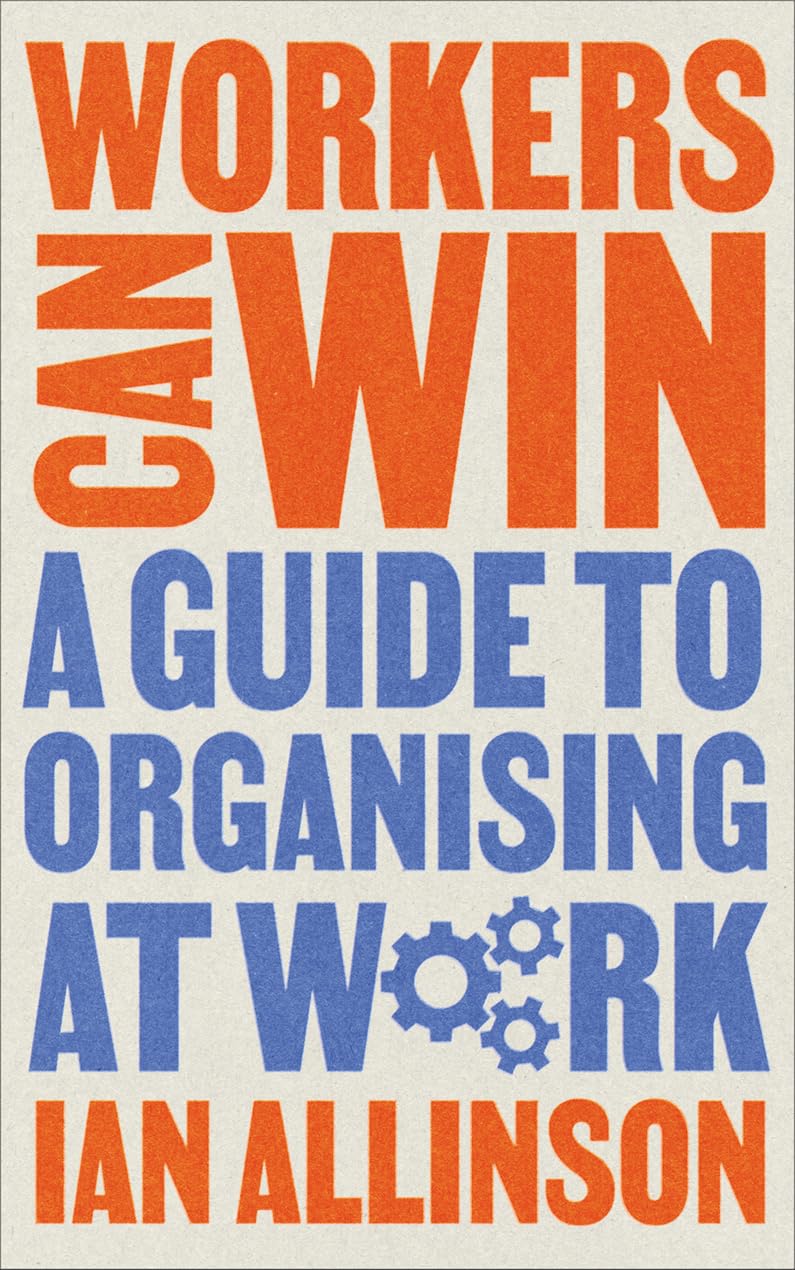
The Covid, climate and cost of living crises all hang heavy in the air. It's more obvious than ever that we need radical social and political change. But in the vacuum left by defeated labour movements, where should we begin? For longtime workplace activist Ian Allinson, the answer is clear: organising at work is essential to rebuild working-class power. The premise is simple: organising builds confidence, capacity and collective power - and with power we can win change. Workers Can Win is an essential, practical guide for rank-and-file workers and union activists. Drawing on more than 20 years of organising experience, Allinson combines practical techniques with an analysis of the theory and politics of organising and unions. The book offers insight into tried and tested methods for effective organising. It deals with tactics and strategies, and addresses some of the roots of conflict, common problems with unions and the resistance of management to worker organising. As a 101 guide to workplace organising with politically radical horizons, Workers Can Win is destined to become an essential tool for workplace struggles in the years to come.
We've been told for years that the capitalist free market is a self-correcting perpetual growth machine in which sellers always find buyers, precluding any major crisis in the system. Then the credit crunch of August 2007 turned into the great crash of September–October 2008, leading one apologist for the system, Willem Buiter, to write of "the end of capitalism as we knew it."
As the crisis unfolded, the world witnessed the way in which the runaway speculation of the "shadow" banking system wreaked havoc on world markets, leaving real human devastation in its wake. Faced with the financial crisis, some economic commentators began to talk of "zombie banks"–financial institutions that were in an "undead state" and incapable of fulfilling any positive function but a threat to everything else. What they do not realize is that twenty-first century capitalism as a whole is a zombie system, seemingly dead when it comes to achieving human goals.