
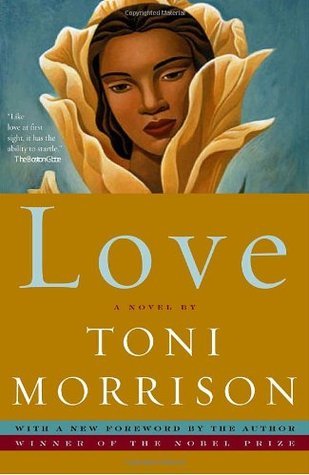
From the acclaimed Nobel Prize winner—a spellbinding symphony of passion and hatred, power and perversity, color and class that spans three generations of Black women in a fading beach town.
“A marvelous work, which enlarges our conception not only of love but of racial politics.” — Los Angeles Times Book Review
In life, Bill Cosey enjoyed the affections of many women, who would do almost anything to gain his favor. In death his hold on them may be even stronger. Wife, daughter, granddaughter, employee, As Morrison’s protagonists stake their furious claim on Cosey’s memory and estate, using everything from intrigue to outright violence, she creates a work that is shrewd, funny, erotic, and heartwrenching.
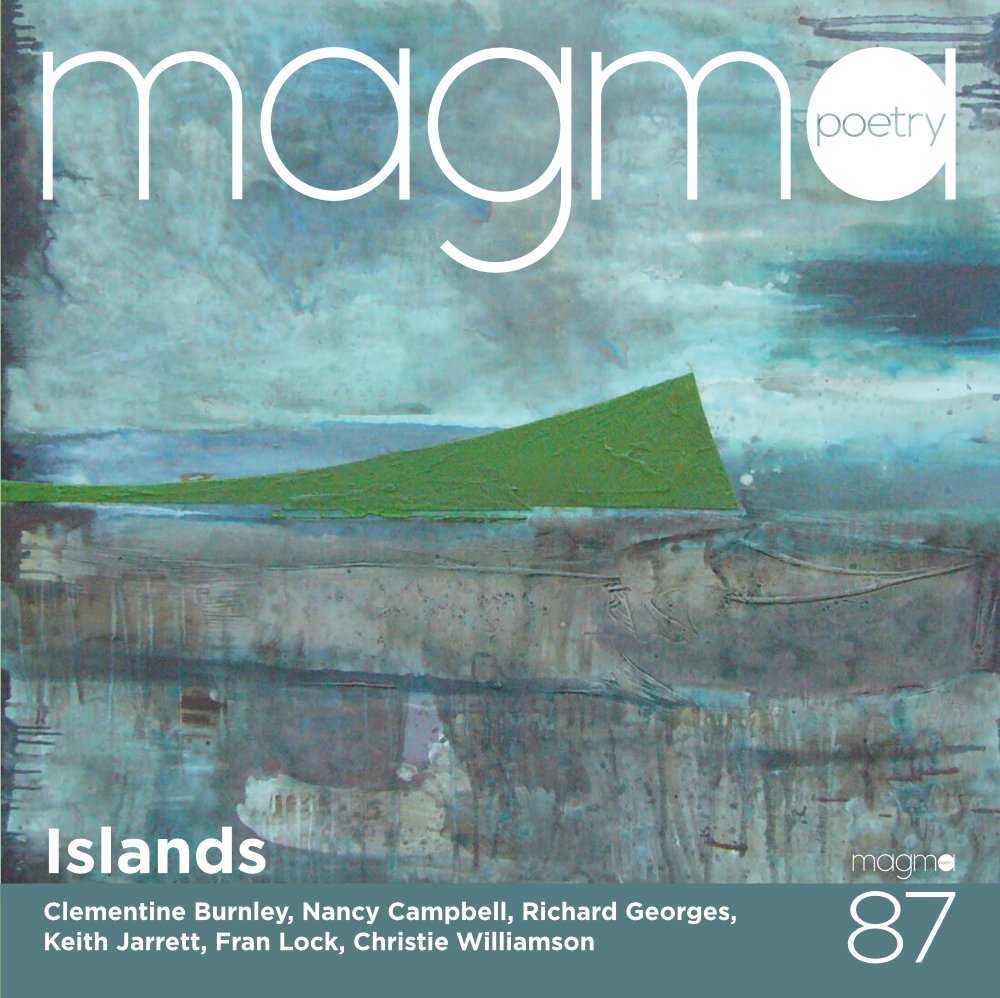
Magma 87, Islands, edited by Niall Campbell, Fiona Moore, and Safiya Kamaria Kinshasa Each new Magma theme raises the question: how will people write it, how will they startle and delight us? This time we were set on capturing something of the variety and scope that the theme of Islands offered. We hoped to invert majority notions of centre and periphery. We wanted the wild and windswept. At the same time we looked for poems that subverted, ignored or went beyond island clichés, far from the island gift shop cards with yearningly beautiful images.

In an unnamed town Jugnu and his lover Chanda have disappeared. Rumours abound in the close-knit Pakistani community, and then on a snow-covered January morning Chanda's brothers are arrested for murder. Telling the story of the next twelve months, Maps for Lost Lovers opens the heart of a family at the crossroads of culture, community, nationality and religion, and expresses their pain in a language that is arrestingly poetic.
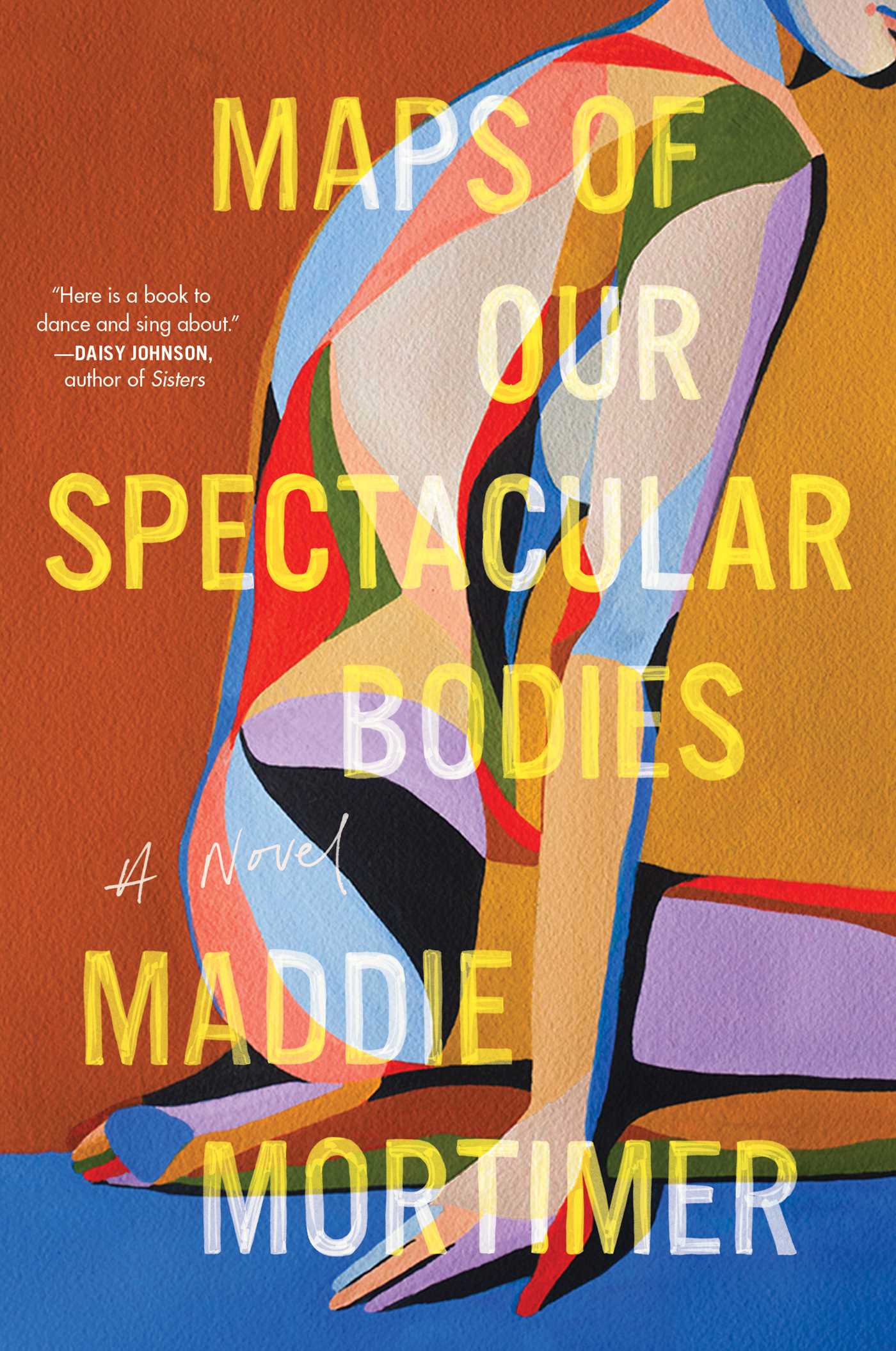
Something gleeful and malevolent is moving in Lia’s body, learning her life from the inside out. A shape-shifter. A disaster tourist. It’s travelling down the banks of her canals. It’s spreading. When a sudden diagnosis upends Lia’s world, the boundaries between her past and her present begin to collapse. Deeply buried secrets stir awake. As the voice prowling in Lia takes hold of her story, and the landscape around becomes indistinguishable from the one within, Lia and her family are faced with some of the hardest questions of all: how can we move on from the events that have shaped us, when our bodies harbour everything? And what does it mean to die with grace, when you’re simply not ready to let go? Maps of Our Spectacular Bodies is a story of coming-of-age at the end of a life. Utterly heart-breaking yet darkly funny, Maddie Mortimer’s astonishing debut is a symphonic journey through one woman’s body: a wild and lyrical celebration of desire, forgiveness, and the darkness within us all.
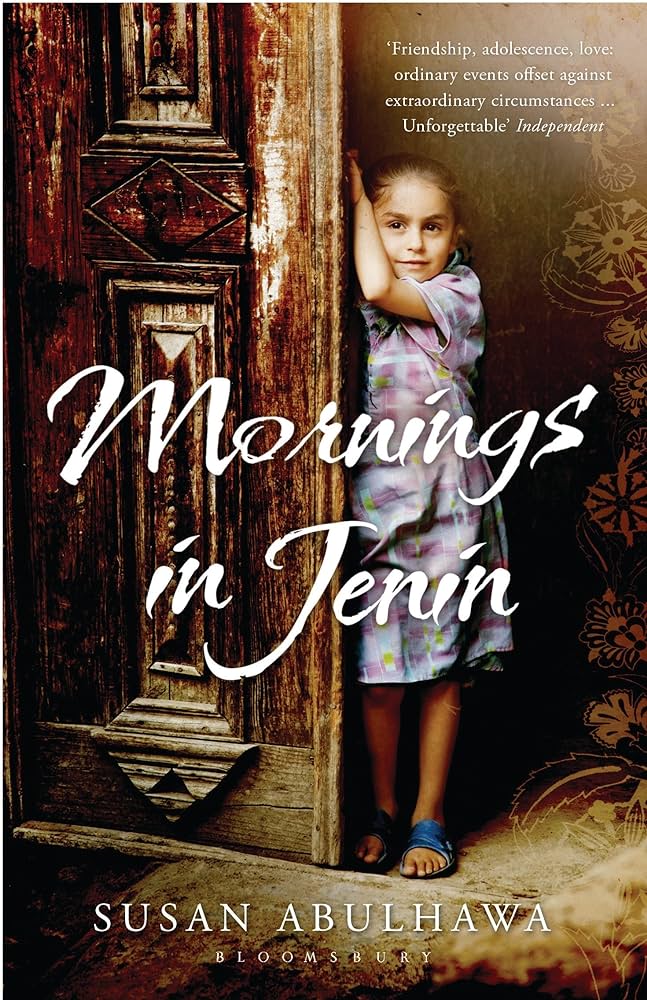
Mornings in Jenin is a devastating novel of love and loss, war and oppression, and heartbreak and hope, spanning five countries and four generations of one of the most intractable conflicts of our lifetime. Palestine, 1948. Half a million Palestinians are forced from their homes. A mother clutches her six-month-old son as Israeli soldiers march through the village of Ein Hod. In a split second, her son is snatched from her arms and the fate of the Abulheja family is changed forever. Forced into a refugee camp in Jenin and exiled from the ancient village that is their lifeblood, the family struggles to rebuild their world. Their stories unfold through the eyes of the youngest sibling, Amal, the daughter born in the camp who will eventually find herself alone in the United States; the eldest son who loses everything in the struggle for freedom; the stolen son who grows up as an Israeli, becoming an enemy soldier to his own brother.
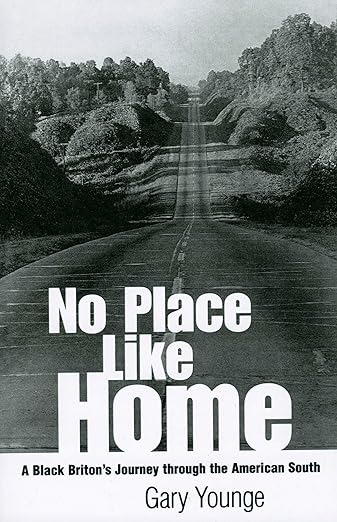
Travelog, social commentary, and journey to self-discovery, the story of a black Englishman's amazing trek through Dixie to connect with his racial identity In 1997 Gary Younge explored the American South by retracing the route of the original Freedom Riders of the 1960s. His road trip was a remarkable socio-cultural adventure for an outsider. He was British, journalistically curious, and black. As he traveled by Greyhound bus through the former Confederate states, he experienced an awakening. He felt culturally tied to this strange yet familiar place. Though a Briton by birth and the child of emigrants from Barbados, he felt culturally alien in his native land. In Dixie, however, he met African Americans whose racial distinctiveness was similar to his own. To local blacks he looked like a brother, while sounding intriguingly foreign. As he assessed their political rise in the South, he noted too how African American tradition seemed static and unchanged. It was a refreshing whiff of "home."
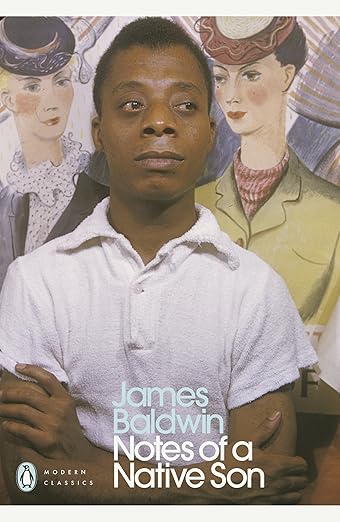
James Baldwin's breakthrough essay collection made him the voice of his generation. Ranging over Harlem in the 1940s, movies, novels, his preacher father and his experiences of Paris, they capture the complexity of black life at the dawn of the civil rights movement with effervescent wit and prophetic wisdom.
'A classic ... In a divided America, James Baldwin's fiery critiques reverberate anew' Washington Post
'Edgy and provocative, entertainingly satirical' Robert McCrum, Guardian
'Cemented his reputation as a cultural seer ... Notes of a Native Son endures as his defining work, and his greatest' Time
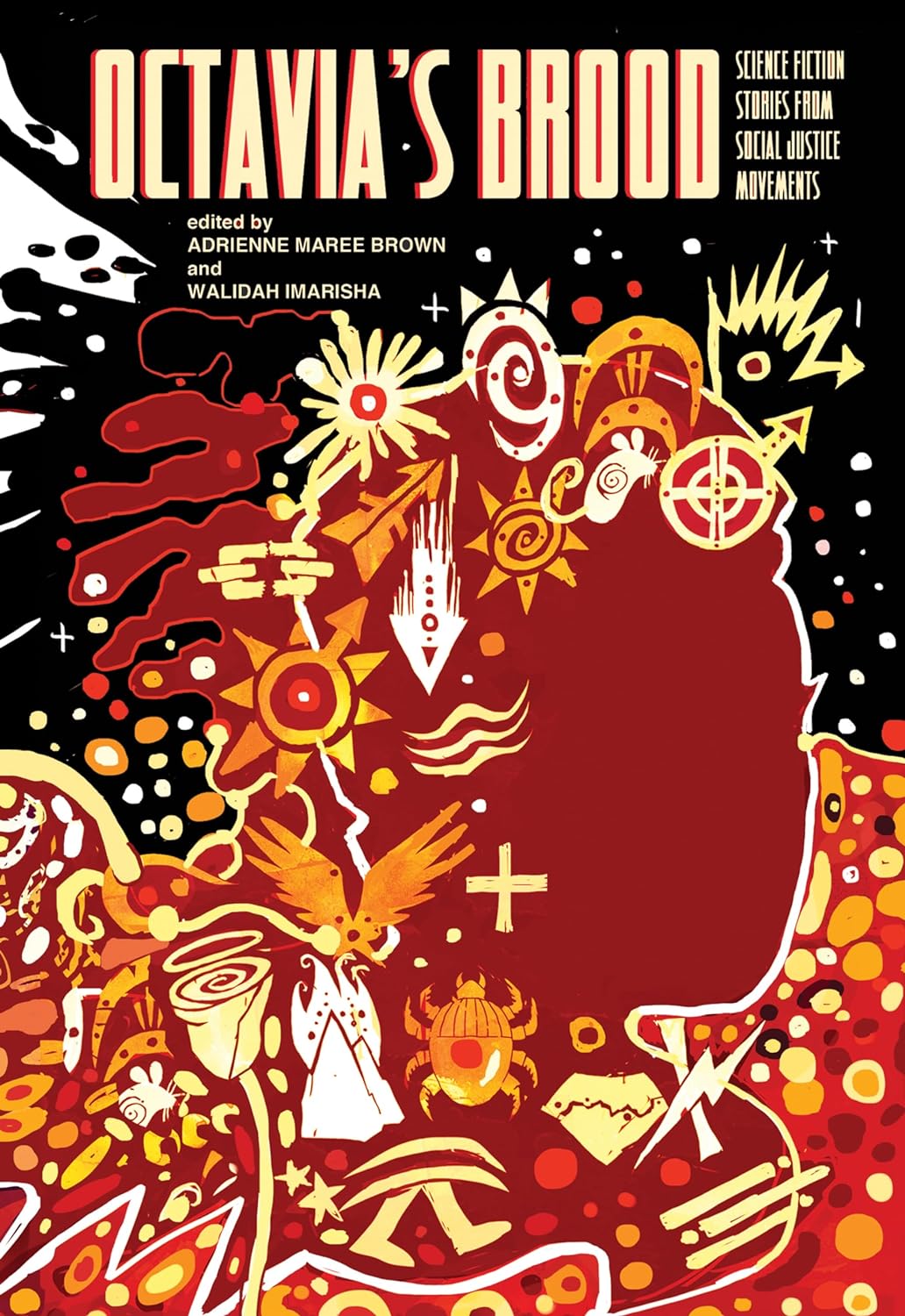
Whenever we envision a world without war, without prisons, without capitalism, we are producing speculative fiction. Organisers and activists envision, and try to create, such worlds all the time. Walidah Imarisha and adrienne maree brown have brought twenty of them together in the first anthology of short stories to explore the connections between radical speculative fiction and movements for social change. The visionary tales of Octavia's Brood span genres - sci-fi, fantasy, horror, magical realism - but all are united by an attempt to inject a healthy dose of imagination and innovation into our political practice and to try on new ways of understanding ourselves, the world around us, and all the selves and worlds that could be. The collection is rounded off with essays by Tananarive Due and Mumia Abu-Jamal, and a preface by Sheree Renée Thomas.
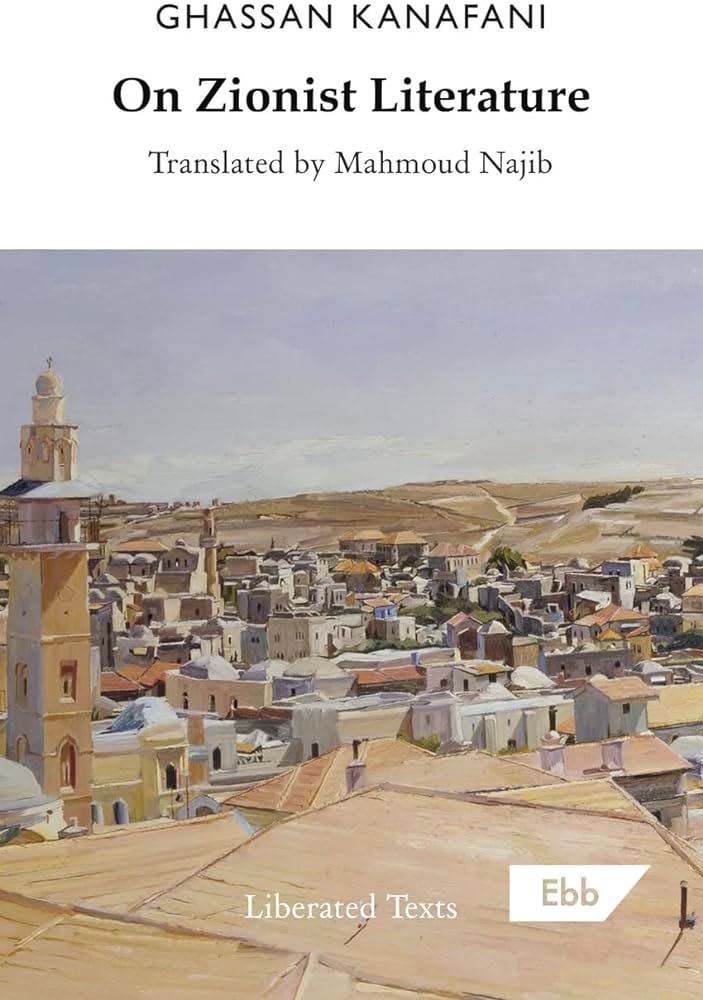
Translated into English for the first time after its publication in 1967, Ghassan Kanafani's On Zionist Literature makes an incisive analysis of the body of literary fiction written in support of the Zionist colonization of Palestine. Interweaving his literary criticism of works by George Eliot, Arthur Koestler, and many others with a historical materialist narrative, Kanafani identifies the political intent and ideology of Zionist literature, demonstrating how the myths used to justify the Zionist-imperialist domination of Palestine first emerged and were repeatedly propagated in popular literary works in order to generate support for Zionism and shape the Western public's understanding of it. The new preface by Anni Kanafani and an introduction by Steven Salaita place On Zionist Literature in its broader historical context and make a compelling case for its ongoing significance more than five decades since its original publication, illustrating the extent to which "Kanafani was a searing and incisive critic, at once generous in his understanding of emotion and form and unsparing in his assessment of politics and myth."

A collection of fifty-five feminist poets with an introductory essay, biographical notes and author photos.